BAGANBAZAR GRAPHEXPLORE · ANALYZE · GROW
Theme
LiveDesk
Source index/Source profile
SOURCE PROFILE

Popular Science

International · Science. A listed publisher in the FAINARON international source registry.

Visit original outlet ↗
ATTRIBUTION STANDARD

Publisher attribution stays visible.

FAINARON NEWS indexes and organizes reporting from this outlet. It identifies the original publisher and directs readers to the originating report, rather than presenting the coverage as independently reported.

SOURCE STREAM

Coverage from Popular Science.

60 recent items
Record-setting Fat Bear Week turnout overloads voting siteSource linked
Science

Record-setting Fat Bear Week turnout overloads voting site

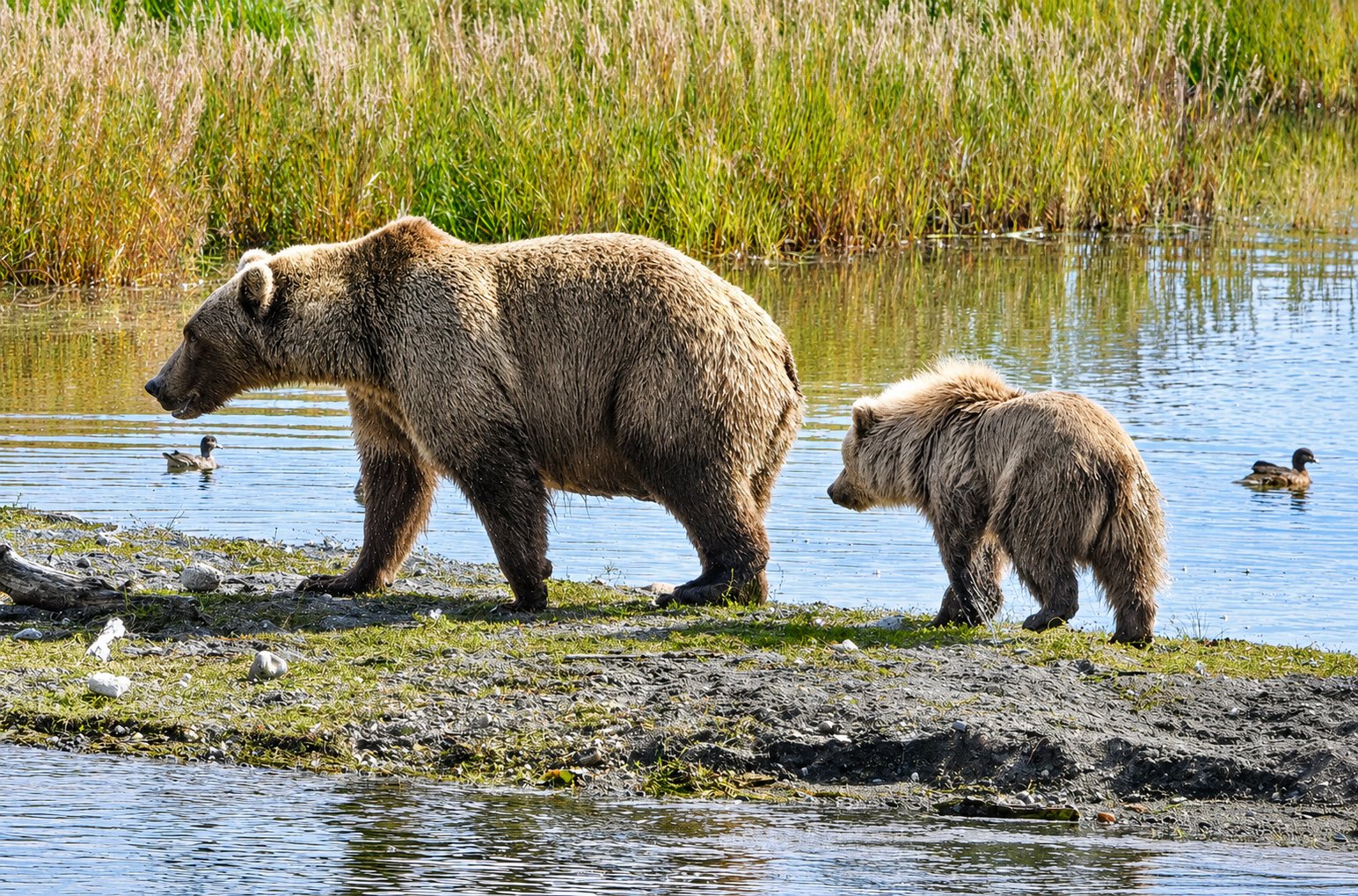
If you spent your day trying to vote for your favorite chunky bear without any luck, you’re not alone. The biggest Fat Bear Week turnout of all time triggered 404 errors and slow-loading pages for fans eager to cast their votes online. On Facebook, explore.org announced that the Day 1 voting would continue tomorrow, September 23. And if you were able to cast your vote (lucky you!), your vote still counted. Explore.org asked fans who successfully cast a vote to close the voting page when done. “The platform we use to host Fat Bear Week is throttling the number of people who can view a poll at once,” the organization explained on their site. “We are working with them to resolve this. If you have voted in Fat Bear Week already please close the page to allow others to view the polls.” As a reminder, Day 1 of Fat Bear Week included four head-to-head matches of mom and single females: Bear 132 and cubs vs. Bear 284 and cubs Bear 806 vs. Bear 901 Bear 909 vs. Bear 428 Bear 131 vs. Bear 910 You can learn more about all the bears competing in Popular Science‘s deep-dive Day 1 breakdown. Voting is open between 12-9pm EDT (9am-6pm PDT, 8am-5pm AKDT) at explore.org. The winner will be crowned on Tuesday, September 29. If you’d like another way to support the bears, donations can be made to Katmai Conservancy’s Otis Fund. The Otis Fund is named after Bear #480 (Otis), who won four Fat Bear Week titles before his death around 2024. All donations made between September 22 and October 3 will be matched by explore.org. The post Record-setting Fat Bear Week turnout overloads voting site appeared first on Popular Science.
SourcePopular Science
Plesiosaurs vomited indigestible pellets like owlsSource linked
Science

Plesiosaurs vomited indigestible pellets like owls

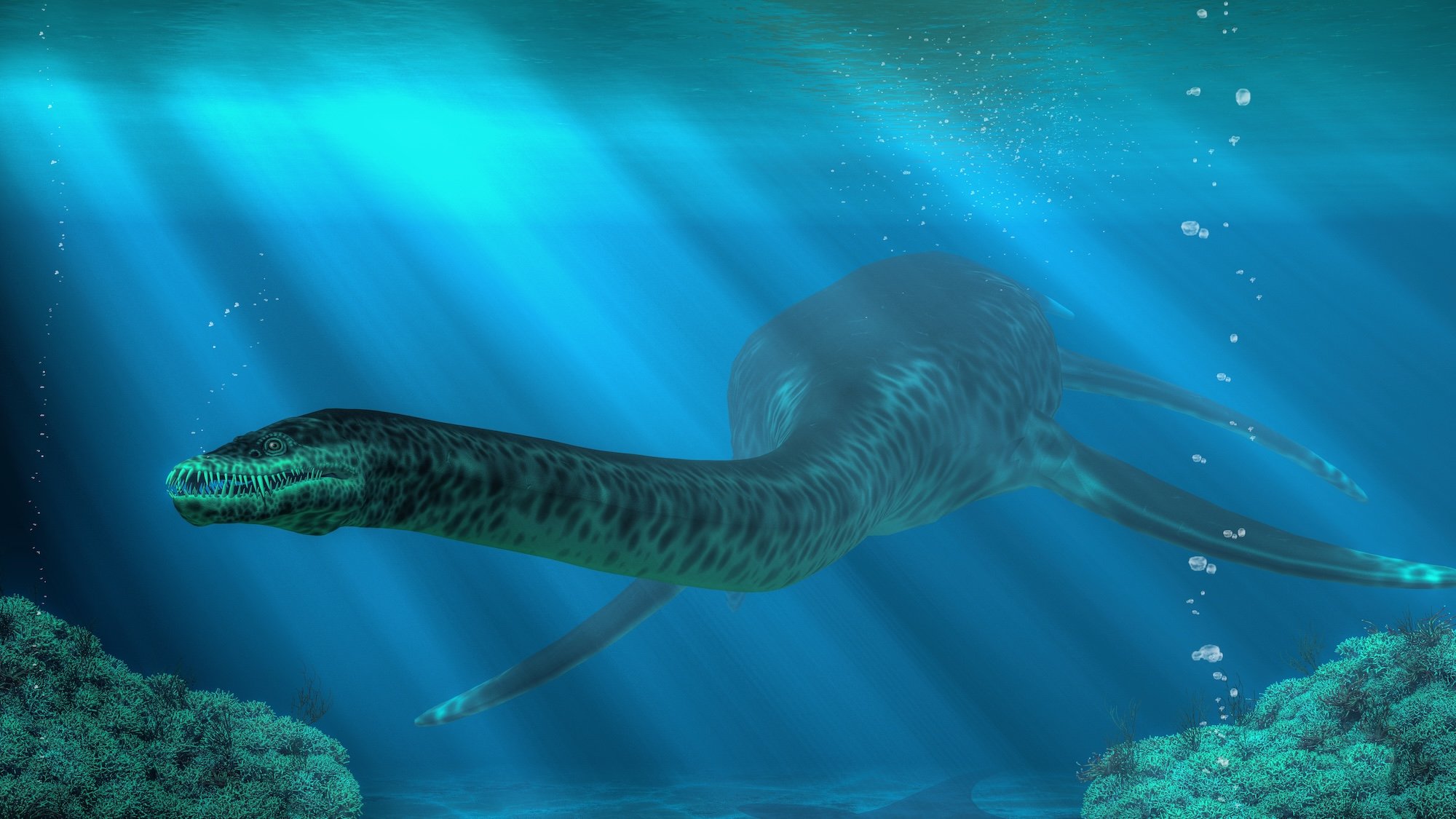
The long-necked plesiosaurs that swam in oceans during the Jurassic Period frequently made detours into shallower river deltas to regurgitate indigestible portions of their meals. The evidence detailed in a study published today in the journal Geological Magazine isn’t for the squeamish. Paleontologists base their new theory on fossilized vomit similar to owl pellets. While owls famously regurgitate the indigestible bones and fur of their prey, other animals also routinely spit out unwanted leftovers. Many fur seals and marine crocodiles behave similarly; although their regular post-meal efforts require a bit more work. While an owl simply deposits pellets wherever they feel like it, these aquatic species first travel onto land before regurgitating. It now appears some of the planet’s most successful ocean predators engaged in the same digestive workarounds. Plesiosaurs belong to a family of marine reptiles that existed for over 140 million years between the Middle Jurassic and Early Cretaceous periods. Generally ranging between 6.5 and 43 feet in length, the species featured lengthy necks and sleek, flippered bodies. This anatomy allowed them to excel at gobbling up ancient fish and cephalopods, but paleontologists believe the reptiles also often craned their heads down to devour shellfish resting on the ocean floor. Drill core image of 160-million-year-old delta sand containing a clump of shells and plant remains, interpreted as plesiosaur vomit. Credit: Dirk Knaust Dirk Knaust Plesiosaurs went extinct about 100 million years ago, but skeletal fossils aren’t all that remains from the era. Under specific conditions, animal feces and even vomit were also preserved in the forms of coprolites and regurgitalites. For decades, paleontologist Dirk Knaust has primarily examin

SourcePopular Science
Tiny two-headed turtle found in Cape CodSource linked
Science

Tiny two-headed turtle found in Cape Cod

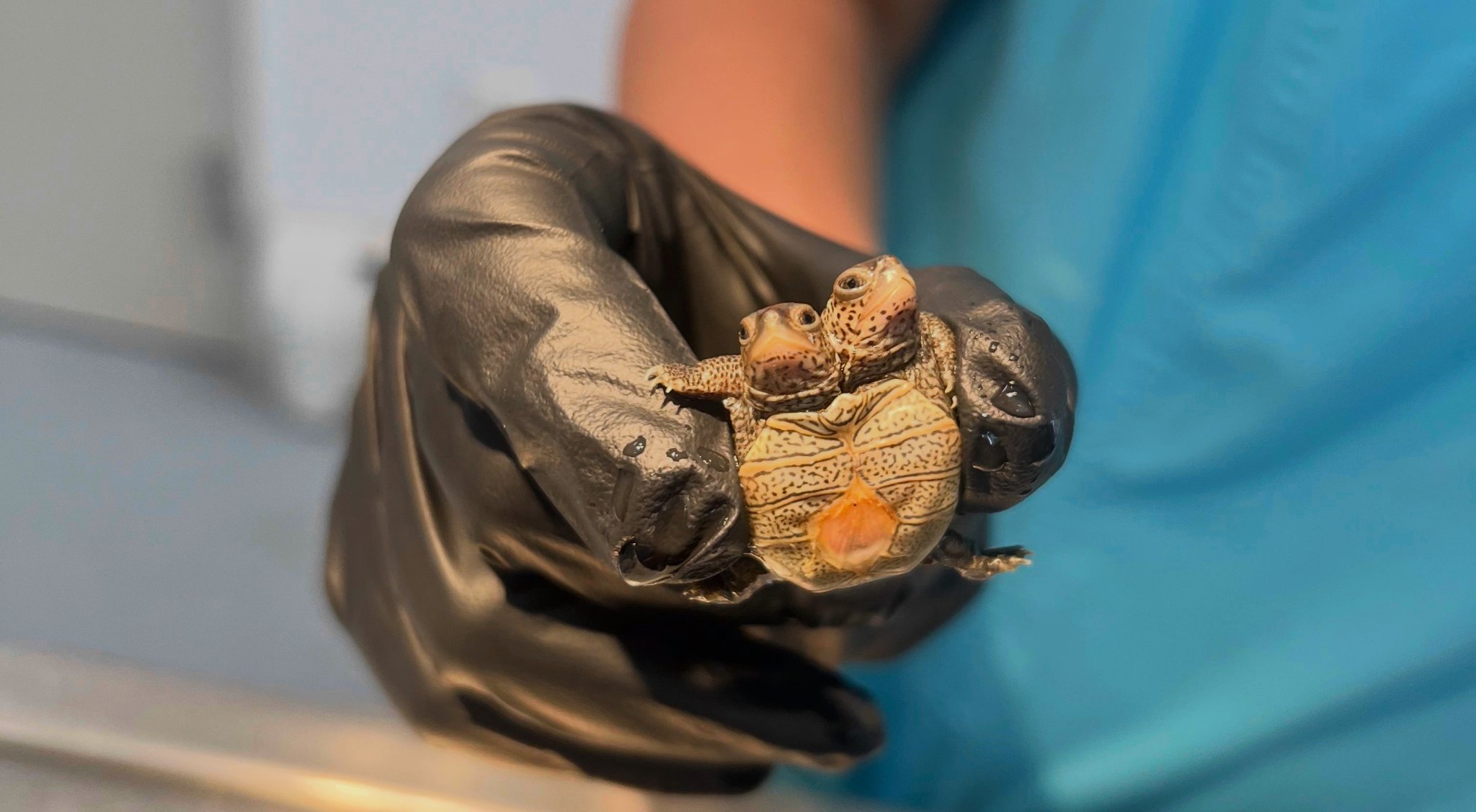
Last week, something strange arrived at the Cape Wildlife Center. Not one turtle, not two turtles—something in between. A tiny two-headed turtle weighing less than a nickel ended up at the Cape Cod facility. The bicephalic (two-headed) reptile is a diamondback terrapin (Malaclemys terrapin), aquatic turtles found in brackish waters along the United States’ Atlantic and Gulf coasts. Diamondback terrapins are classified as Threatened by the Massachusetts Endangered Species Act, and their broader conservation status at the federal level is currently under review. The two-headed turtle hatched in a protected nesting site in Wellfleet, Cape Cod, after which the Mass Audubon Wellfleet Bay Wildlife Sanctuary transferred it to the Cape Wildlife Center. Its arrival didn’t come as a complete surprise to the staff because it’s not the first time they’ve cared for a two-headed diamondback terrapin, Zak Mertz, CEO of New England Wildlife Centers (including the Cape Wildlife Center), tells Popular Science. The turtle weighs less than a standard nickel. Image: New England Wildlife Center Staff, used with permission “This is actually the third set we have seen within the last six years,” he explains. “The belief is that bicephaly happens when an embryo goes to split—like it would for twins or something—but doesn’t separate fully. And because of that, each case might have a slightly different orientation, they might have more or less overlapping anatomy.” The team’s impression is that this recent case involves slightly more shared anatomy than previous pairs, which Mertz thinks is a good thing. While the team hasn’t conducted advanced imaging to see what’s going on beneath the shell yet, the hatchling appears to be in good health, and needs to grow a little more before they can determin

SourcePopular Science
China’s new supersonic plane could travel twice as fast as soundSource linked
Science

China’s new supersonic plane could travel twice as fast as sound

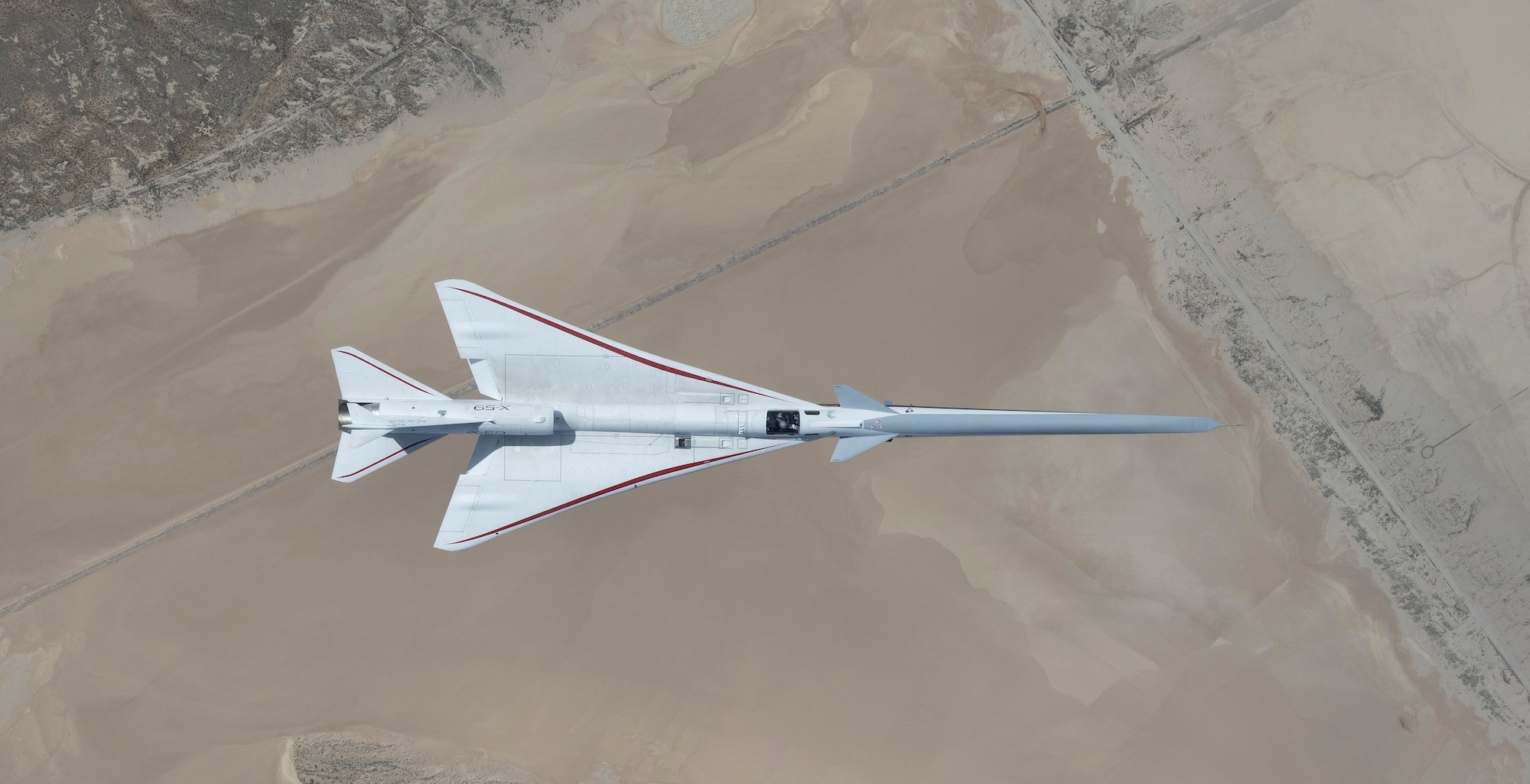
The United States isn’t the only nation itching to restart supersonic passenger air travel. Earlier this month, China announced its TMS-10 experimental demonstrator plane has entered the final assembly phase and is on schedule to conduct its first test flight by the end of the year. The fullscale aircraft engineered by Tianmushan Laboratory in collaboration with Beihang University marks a major step forward from the 1:18-scale prototype tested in June 2025. In that phase, the smaller model flew below Mach 0.2 while researchers assessed the the plane’s low-speed takeoff, stability, control, and landing capabilities. This time around, the TMS-10 will attempt to reach supersonic speeds while mitigating any accompanying sonic boom. The TMS-10 project’s goal is to introduce a new business-class airplane that seats 10–15 passengers. Its overall design is markedly different from NASA’s X-59 supersonic plane, which relies on dampening any sonic boom so that it’s perceived as a much quieter sonic “bump” by anyone on the ground. Instead, TMS-10’s forward wing (known as a canard) and its T-tail shape work together to prevent shock waves formed around the nose and wings from combining into a single, louder wave. Meanwhile, rear features will also redirect and further weaken soundwaves to avoid unwanted decibels. If successful, the TMS-10 will one day ferry travelers at an upward cruising speed of Mach 2 (around 1,300 miles per hour). The plane will also support subsonic flights at about Mach 0.95 (730 mph). Those speeds would hypothetically cut the current two-hour flight from Beijing to Shanghai down to only 30 minutes. There is a lot to consider when creating a supersonic aircraft for everyday travel. The design must be durable enough to handle the heat generated at such high spe

SourcePopular Science
Fragment of oldest known peace treaty discovered in TurkeySource linked
Science

Fragment of oldest known peace treaty discovered in Turkey

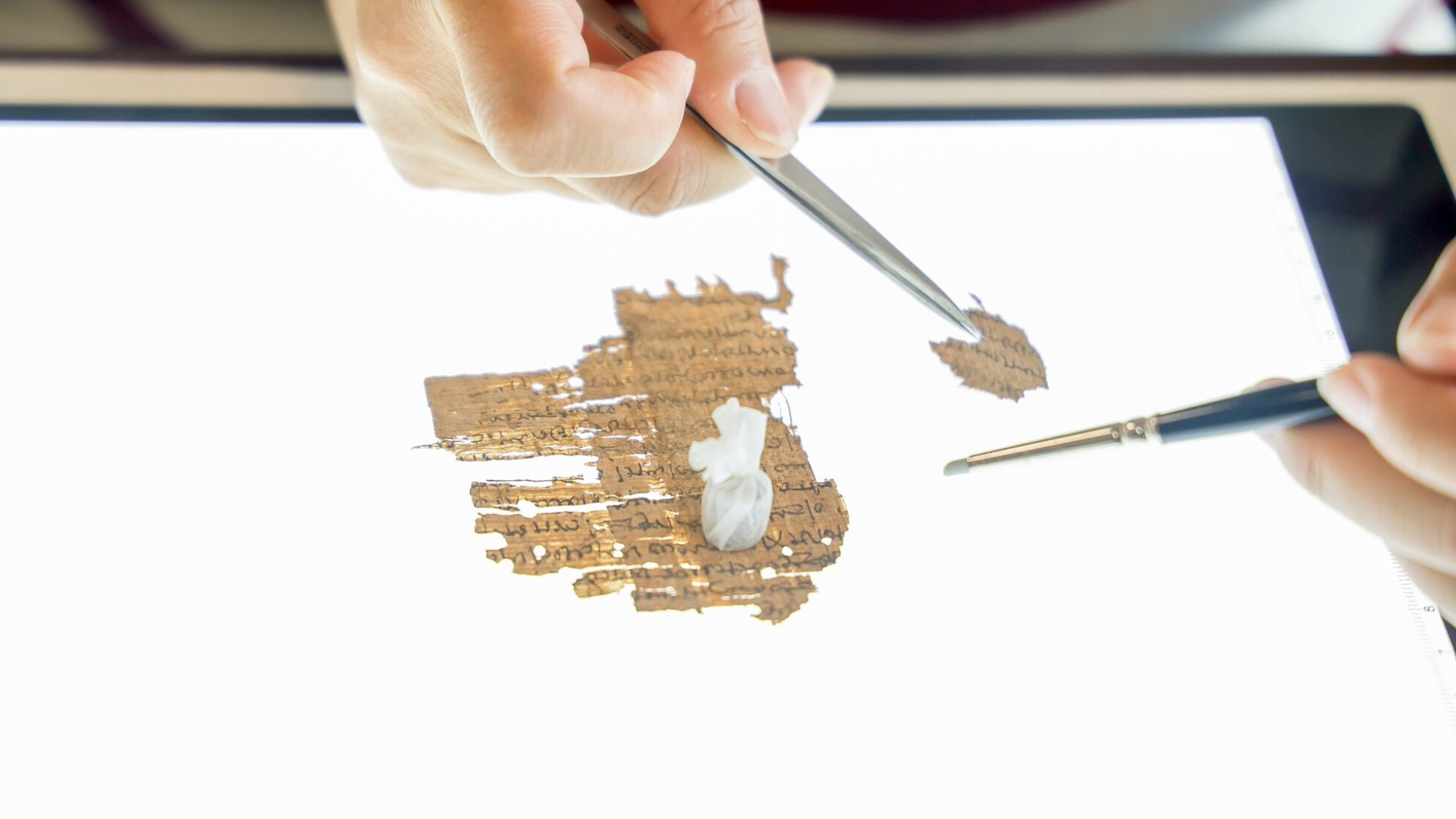
Around 1259 BCE, two ancient kingdoms finally decided to let bygones be bygones. After two centuries of intermittent skirmishes for regional control, the Egyptian Pharaoh Ramesses II and Hittite King Ḫattušili III agreed to what is now known as the Kadesh Peace Treaty. The rulers signed their agreement about 15 years after the famous Battle of Kadesh, marking the oldest known peace proclamation in recorded history. Archaeologists have extensively documented treaty fragments preserved on Akkadian cuneiform tablets and Egyptian temple wall hieroglyphics, but a newly discovered section found in present-day Turkey offers a resonant message 3,200 years after its inscription. To celebrate the International Day of Peace on September 21, Turkey’s Ministry of Culture and Tourism announced the recent identification of a cuneiform fragment corresponding to Articles 12–20 in the famed treaty. Excavated at the Büyükkale royal palace site of Hattusha in northern Anatolia, the clay tablet details how both kingdoms should handle receiving refugees who fled from either side during the conflict. A full transcription of the recently recovered section isn’t available yet, although ministry officials mentioned a portion of it focuses on protecting citizens’ homes from destruction. While the regulations differ from present-day asylum protections and more resemble mutual obligations agreed upon by Ramesses and Ḫattušili, the section still shows how strained kingdoms still managed to find common ground over 3,000 years ago. Hattusha has provided archaeologists with thousands of cuneiform artifacts contextualizing the politics, culture, and day-to-day life of the ancient Hittites. The first fragments of the Kadesh Peace Treaty were discovered amid excavations during the early 20th century, and

SourcePopular Science
Mathematician debunks the Parthenon’s famous optical illusionsSource linked
Science

Mathematician debunks the Parthenon’s famous optical illusions

The Parthenon is undeniably one of history’s most renowned architectural feats,but one detail of its structural genius is a total hoax. For over 2,000 years, scholars and admirers have alleged that the ancient Greek building’s nearly imperceptible curves were specifically crafted to compensate for optical illusions that would otherwise ruin the structure’s clean lines. But recent analysis says otherwise. After a detailed investigation and complex computational modeling, University of Oxford mathematician Alain Goriely says the illusions are just that—illusions. “The Parthenon is more than a building standing on the Athenian Acropolis; it has become over the ages the very paradigm of antiquity, a vessel into which successive generations have poured their ideals of perfection,” Goriely wrote in his study recently published in the journal Royal Society Open Science. “As such, it is the mother of all myths.” The Parthenon was first conceived and built as a temple dedicated to Athens’ namesake goddess Athena during the city’s Golden Age. Construction took 15 years to complete, and it remains one the most recognizable examples of classical Doric architecture. The Parthenon occupied many roles in the ensuing centuries, including a treasury, mosque, church, and even a gunpowder depot—the latter era leading to extensive damage during a bombardment by Venetian forces in 1687. Claims regarding the Parthenon’s optical illusion-defying aspects began circulating about 400 years after its construction. The first assertions are likely attributable to the 1st century BCE Roman architect Vitruvius, who described subtle column curvatures and scale corrections crafted to counteract the appearance of concavity. Vitruvius particularly focused on the temple’s stylobate, or base, whose sides f

SourcePopular Science
Dog brains act surprisingly human when told ‘no’Source linked
Science

Dog brains act surprisingly human when told ‘no’

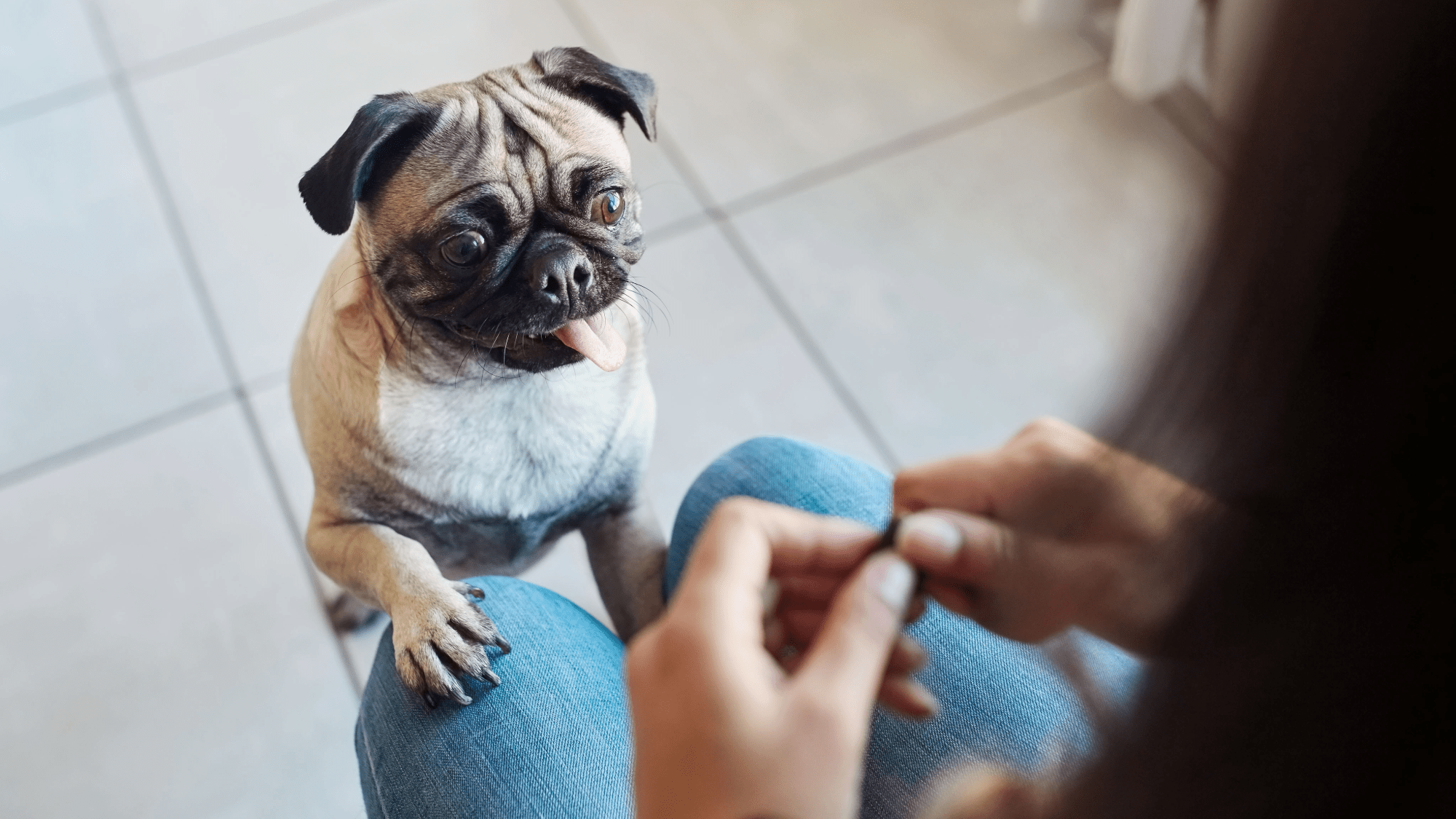
Sit, stay, roll over, come, fetch, and no. All common commands that responsible dog owners use to train and communicate with their pets. When a dog hears the word “no” there is potentially much more going on inside their minds than just stopping an unwanted (and sometimes dangerous) behavior. When dogs restrain their behavior, their brains show a pattern that looks remarkably like human self-control. These new findings are detailed in a study published in the journal Animal Cognition. Stopping our actions at a moment’s notice can be the difference between life and death. A rabbit that stops moving when it hears a coyote or other predator in the distance or a human who gives up smoking or drinking alcohol are ways that saying “no” and controlling actions can save lives. Different biological mechanisms control these behaviors. A rabbit stopping when it hears a predator is automatic and rooted in a deep evolutionary fear of being eaten and comes from a more primal part of the brain, while humans giving up smoking is a conscious effort and takes willpower. Self-control relies on the frontal lobes, which are the youngest part of the brain’s self-control system and only evolved about 310 million years ago in mammals. When scientists measure neural activity in the frontal lobes, increased frontal theta waves are the telltale sign that self-control is happening. “Dogs live and age faster than humans but move in the same environments and adapt to the same social and physical challenges,” Márta Gácsii, a study co-author and ethologist who specializes in dog cognition at Eötvös Loránd University in Budapest, Hungary, said in a statement. “This means that developmental and age-related factors associated with pathological conditions can be examined more time-efficiently than in huma

SourcePopular Science
The moon’s new crater is 728 feet wide and a once-in-a-century findSource linked
Science

The moon’s new crater is 728 feet wide and a once-in-a-century find

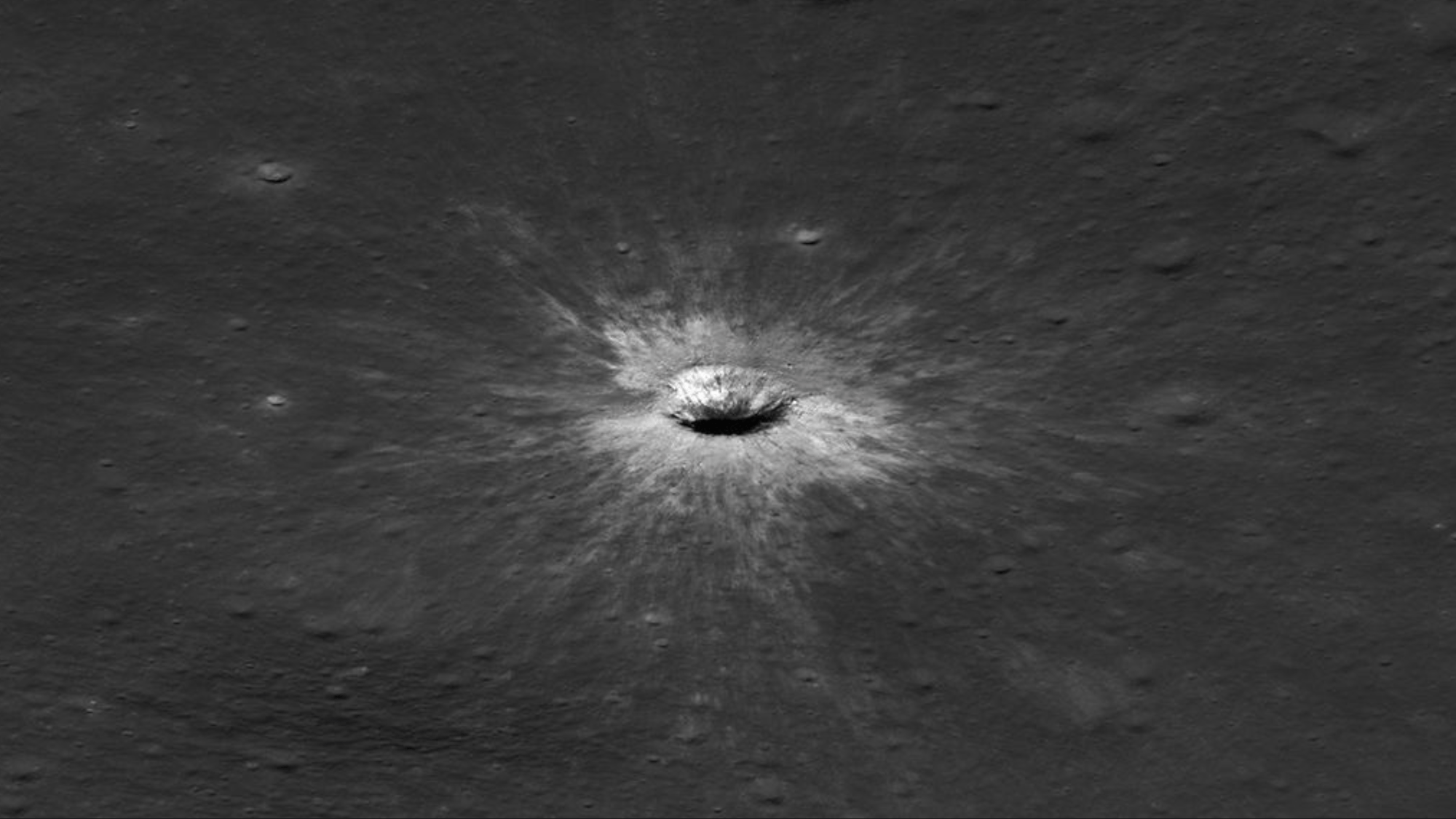
The moon may look desolate and calm, but a lot happens on that dusty landscape. With zero atmosphere, space rocks of all sizes regularly bombard the lunar surface. Most of the debris is microscopic, but astronomers estimate around 140 coffee table-sized asteroids and comets also slam into our moon every year. When they do, the impact is powerful enough to produce a 30-foot-wide crater. Every so often, however, a monstrous visitor arrives. And based on observations from NASA’s Lunar Reconnaissance Orbiter (LRO), one of those much rarer rocks gave the moon an impressive new battlescar. As researchers recently reported in Science Advances, an asteroid or comet the size of a three-story building has generated a crater measuring the length of two football fields on the moon’s eastern edge. As the largest newly formed crater ever spotted in the solar system, it presents astronomers with a once-in-a-century opportunity to study the immediate aftermath of such a sizable impact. A zoomed-in view of McGetchin crater, circled on the left with an arrow pointing to it, next to a “before” image on the right. The area shown in the images is 38 miles wide. Credit: NASA Goddard / Intuitive Machines / Robert Wagner The discovery occurred during a standard data-quality review of images collected by the LRO between April 11 and May 22, 2024. Since launching in 2009, the LRO has helped astronomers pinpoint at least 1,000 newer craters, as well as 100,000 lunar surface changes formed by either direct impacts or secondary strikes from flying debris. But when image-processing specialist Robert Wagner noticed a huge bright circle encased by a darker halo on October 24, 2025, he immediately knew it was unlike anything he’d previously seen. “I just stopped, dropped everything, and started looking

SourcePopular Science
Tiny ‘chaos potatoes’ show off parkour movesSource linked
Science

Tiny ‘chaos potatoes’ show off parkour moves

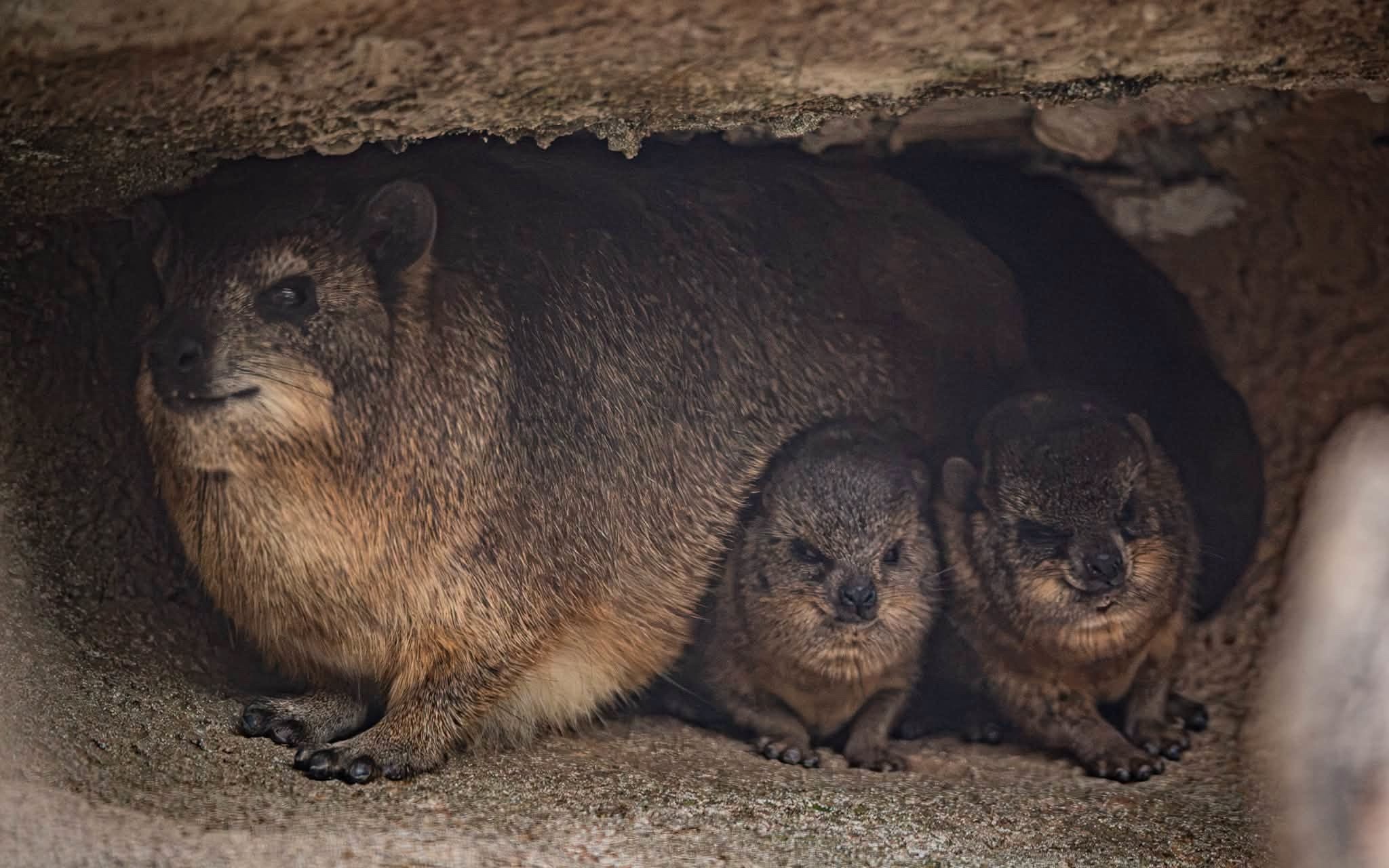
England’s Chester Zoo has recently welcomed into the world three rock hyrax (Procavia capensis) pups. The adorable mammals are tiny, round, adorable—and related to elephants, if you can believe it. “They look completely different, but there are some clues to their unusual family history,” Chester Zoo keeper Megan Carpenter said in a statement. “Their long front teeth, for example, are a little bit like miniature elephant tusks, and their feet have some resemblance to elephant feet, with flattened hoof-like nails.” Also known as rock rabbits or rock badgers, rock hyraxes live in rocky sub-Saharan and Middle Eastern landscapes. Their color and potato shape helps them camouflage among the rocks, and adults can squeeze into corners and hold onto steep rock faces for hours. But that’s not as unexpected as the fact that they are evolutionarily related to both elephants and sirenians (the group of aquatic mammals that includes dugongs and manatees). Images: Chester Zoo “It’s incredible to think these little animals are so closely related to elephants and manatees. They’re a brilliant example of how misleading appearances can be when it comes to evolution,” said Lyndon Howson, assistant team manager in visitor engagement at the zoo. “That’s what makes species like hyraxes so interesting – they challenge what we think we know about the natural world and show just how surprising animal evolution can be.” Russ, Spud, and Jackie were born to Maris and Albert late this summer, and they’ve just undergone their first vet check. The pups are healthy and “little chaos potatoes,” demonstrating more energy than their parents and occasionally giving in to the “zoomies,” according to Carpenter. A social media post showcases the pups having the time of their lives as they rush about and one

SourcePopular Science
Sea turtle struck by boat is recovering in a 3D-printed harnessSource linked
Science

Sea turtle struck by boat is recovering in a 3D-printed harness

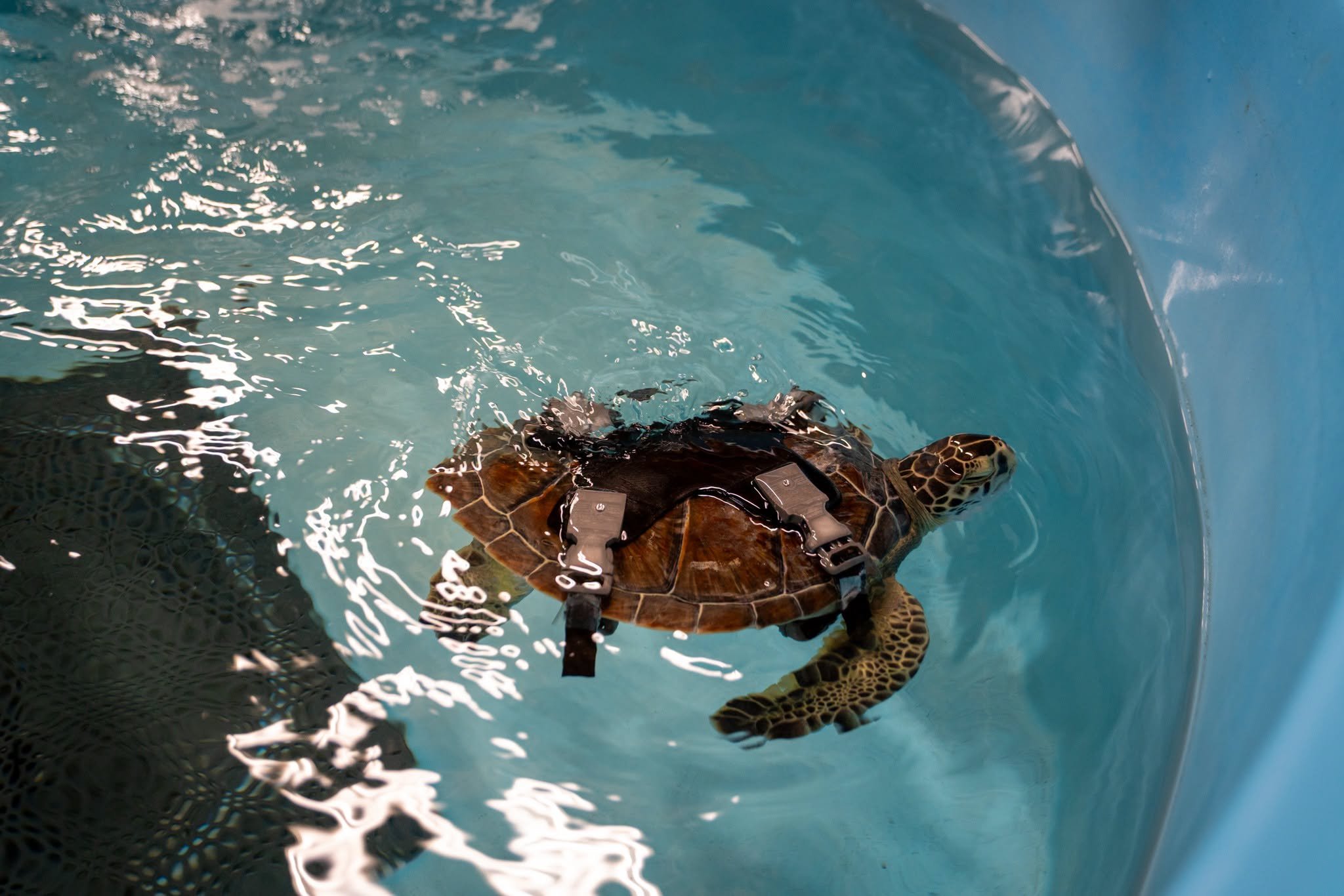
It seems like 3D printers can produce just about anything, from assault rifles to homes made of dirt and even cookies made from plastic. Now, a team from the Georgia Sea Turtle Center on Georgia’s Jekyll Island has turned to 3D printing to help a seriously injured green sea turtle (Chelonia mydas) during its physical therapy. The juvenile turtle, named Cebu, appeared in rough shape upon arriving at the sea turtle center. A boat had struck the turtle, causing spinal cord trauma, which impacted its ability to swim. The team doesn’t know the sex of Cebu because the turtle isn’t displaying visible physical characteristics that can reveal if it’s male or female. This is normal for sea turtles at this stage, and the sex wouldn’t affect their treatment or rehabilitation plan, Jaynie L. Gaskin, Georgia Sea Turtle Center director, tells Popular Science. “Cebu was initially so weak that they could not safely swim in a tank at a normal water depth and spent an extended period in very shallow water. Or at the beginning, no water at all,” Gaskin explains. “As Cebu began to recover, our veterinary team wanted to provide opportunities for physical therapy in deeper water, where normal flipper movements could help rebuild strength and mobility.” The team 3D-printed a custom harness for Cebu. Image: Georgia Sea Turtle Center Cebu’s early sessions required physical support either through flotation devices or a human helper. But that only worked short-term—continuously being held can be stressful and flotation devices used extensively might damage the fragile shell. The team looked for a new strategy, and decided on a 3D-printed floating harness. “We’ve created harnesses for other cases in the past, but Cebu needed something completely customized,” says Gaskin. “Our conservation team has

SourcePopular Science
Help name the Bronx River’s first otter in 100 yearsSource linked
Science

Help name the Bronx River’s first otter in 100 years

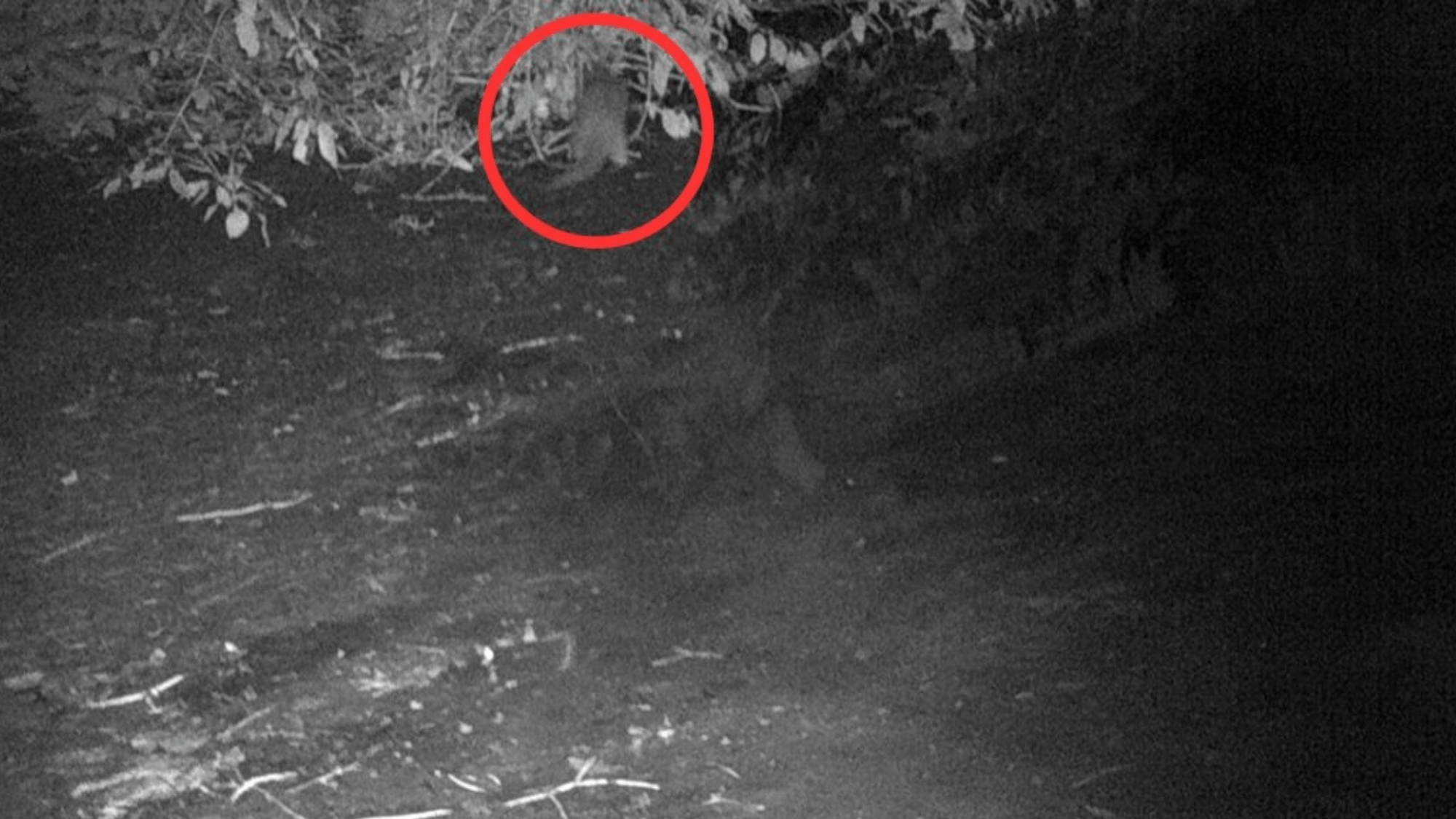
A North American river otter (Lontra canadensis) was recently spotted along New York City’s Bronx River for the first time in roughly 100 years. Now, the Bronx River Alliance and Bronx Zoo would like the public’s help to choose a name for this symbol of conservation success. Voters can choose from three names—Nessie, Ruthie, and Morgan. The names honor Nessie Panton, Ruth Armstrong, and Morgan Powell, three community leaders connected to the river. You can vote by commenting on Instagram. Voting closes on Tuesday, September 29, at 11:59 p.m. EST and the winner will be announced at the live at the Bronx River Alliance’s Upstream Soiree fundraiser on October 1.⁠ View this post on Instagram On August 19, the Wildlife Conservation Society (WCS) Bronx Zoo announced that the river otter had been spotted in the Bronx section of the river for the first time in approximately a century. Bronx Zoo scientist RJ Hawkins captured the image while conducting long-term camera trap monitoring for wildlife along the river overseen by the Wildlife Conservation Society’s Education Department based at the Bronx Zoo “When I first reviewed the images, I could hardly believe what I was seeing,” Hawkins said in a statement when the photo was released. “Knowing this may be the first documented river otter in the Bronx in generations was an incredible moment. It shows why long-term wildlife monitoring and environmental restoration efforts matter.” The 23-mile-long Bronx River is sourced from the Kensico Reservoir north of New York City, and winds through Westchester County into the Bronx. It is also the only major watercourse within the city limits that is not entirely tidal. River otters once ranged throughout New York’s waterways, but disappeared from many places due to pollution, habitat degrad

SourcePopular Science
Ancient hidden graffiti discovered in Bronze Age templeSource linked
Science

Ancient hidden graffiti discovered in Bronze Age temple

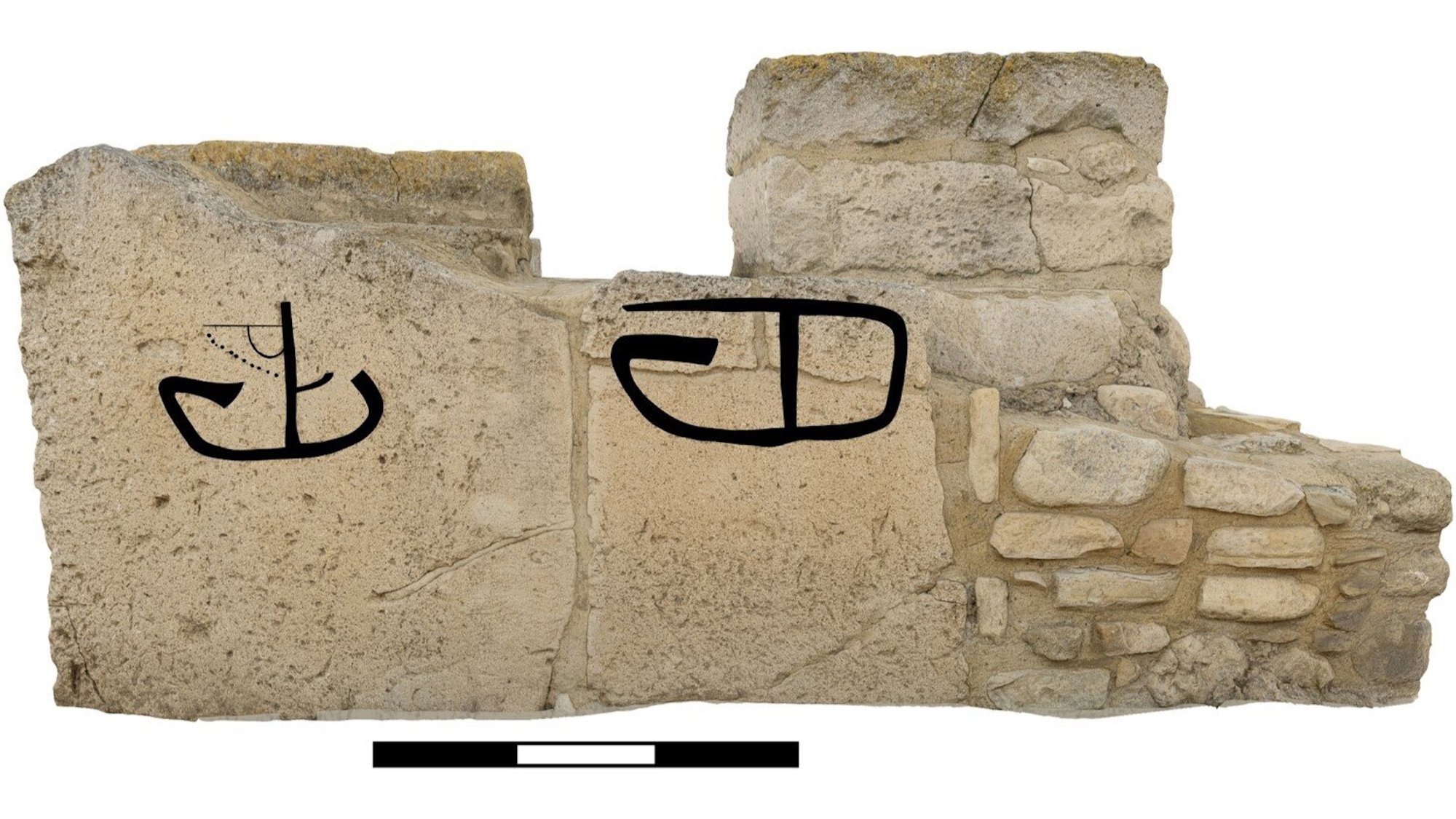
Thanks to some powerful lasers, a fleet of ancient ships hidden in plain sight for over 40 years has resurfaced inside a Bronze Age temple in Cyprus. However, it’s understandable why archaeologists overlooked them for decades. As researchers explain in a recent study published in the International Journal of Nautical Archaeology, high-resolution laser scans revealed as many as 23 vessels etched into the walls of Kition Kahthari. But the more than 3,000-year-old images weren’t created by a single artist. Instead, contextual evidence indicates that the ships were etched into stone over a period of 300 years. Established by Phoenicians around the beginning of the 10th century BCE, Kition was a city-kingdom located on the southern coast of Cyprus, later annexed by Rome in 58 BCE. The city endured for nearly another 400 years before successive earthquakes in 322 and 342 CE ultimately destroyed the settlement. In 1959, archaeologists began excavating a complex of five stonework temples now known as Kition Kathari. The work has since spanned decades, including the discovery of 21 ships engraved on a temple wall and nearby altar in the early 1980s. While already eroded by time, excavations unfortunately exposed the stonework to further deterioration. Illustration of the ship carvings on a single temple block with different laser scans. Credit: Braun et al. 2026 This eventually led archaeologists to return to Kition Kathari in 2024 to survey what remained of the Bronze Age architecture. Researchers utilized high-resolution lasers to scan the stone surfaces, which they later reconstructed in 3D. They initially intended to gain a better understanding of Late Bronze age masonry, but what they saw in the scans took them completely by surprise. “When we noticed all the ships, I felt

SourcePopular Science
Bamboo skewer safely removed from a bird’s cloaca in New YorkSource linked
Science

Bamboo skewer safely removed from a bird’s cloaca in New York

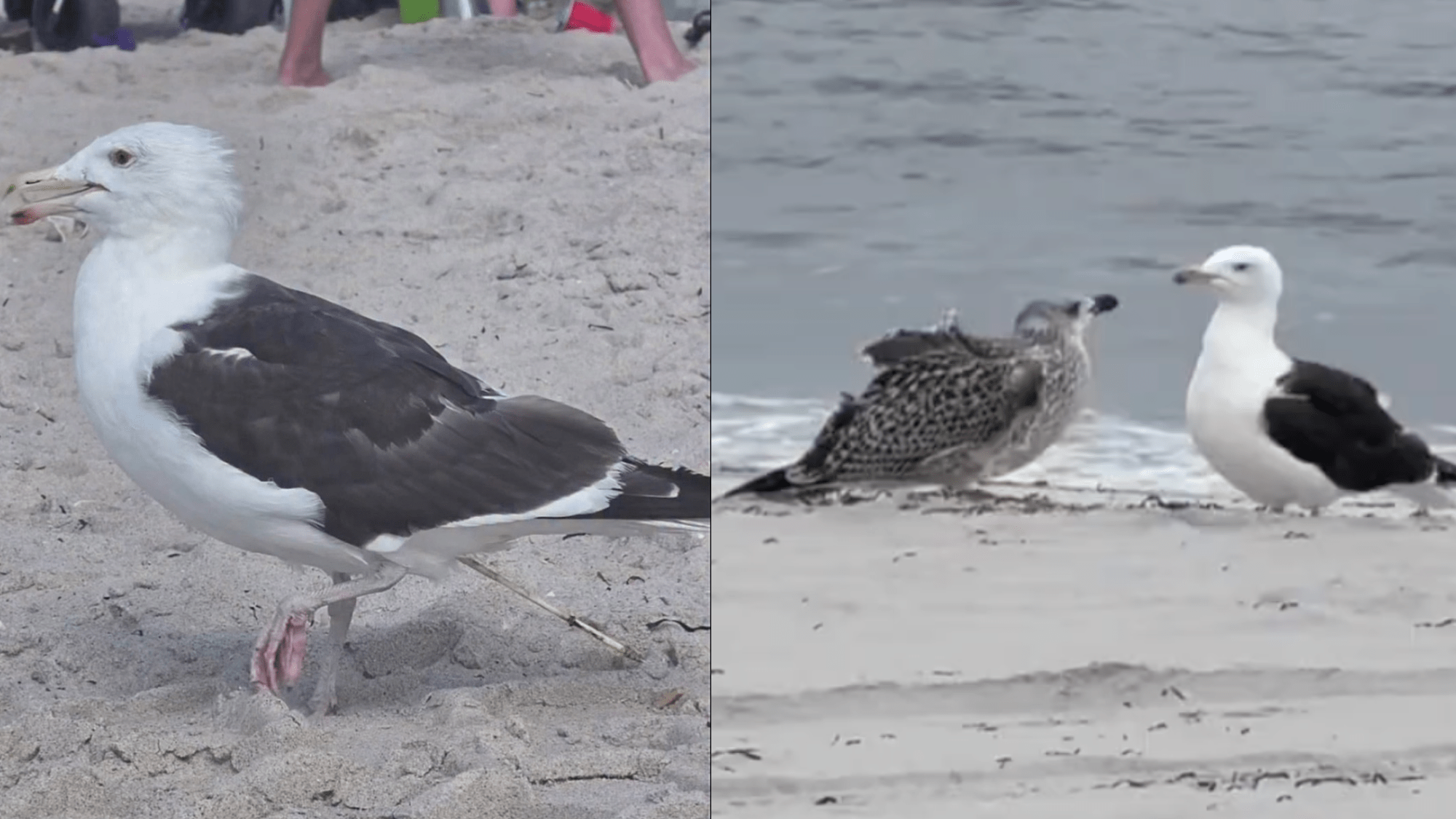
Take a closer look at this great black-backed gull (Larus marinus) and you’ll soon notice something that does not belong there. The female bird has a bamboo skewer lodged in her cloaca, the rear openings birds use to excrete and reproduce. The bird was found with a piece of trash stuck in her cloaca. Image: Sweetbriar Nature Center She was spotted in August on Cedar Beach on Long Island New York’s southern shore, and trying to catch her proved to be a bit of a wild seagull chase. “The problem was that this gull was fully flighted, so catching her was going to be extremely difficult,” Janine Bendicksen, the Director of Wildlife Rehabilitation at Sweetbriar Nature Center in nearby Smithtown, tells Popular Science. About one week after the first sighting, they asked volunteer wildlife rescuer Nancy Prior to try and capture this “seemingly uncatchable gull.” She set up a drop trap at Cedar Beach and was successful after three days of patiently waiting and gaining the gull’s trust. She was immediately brought back to Sweetbriar Nature Center, where the skewer was removed from the cloaca “slowly and very carefully.” “The skewer was removed gradually to minimize any additional trauma,” Bendicksen explains. “Given the nature and location of the injury, we were extremely concerned about possible internal damage, so we were prepared to stop if there was any sign of resistance or injury. Fortunately, the skewer came out successfully, and amazingly, she had no internal injuries.” After she was recovered, the team brought her back into the wild, where they were in for an even bigger surprise. The team had no idea she was a mother, having only observed her with other large groups of gulls. They got to watch this very lucky mother gull reunite with her baby. “Watching the two of them

SourcePopular Science
Autonomous airplane completes first cross-country flightSource linked
Science

Autonomous airplane completes first cross-country flight

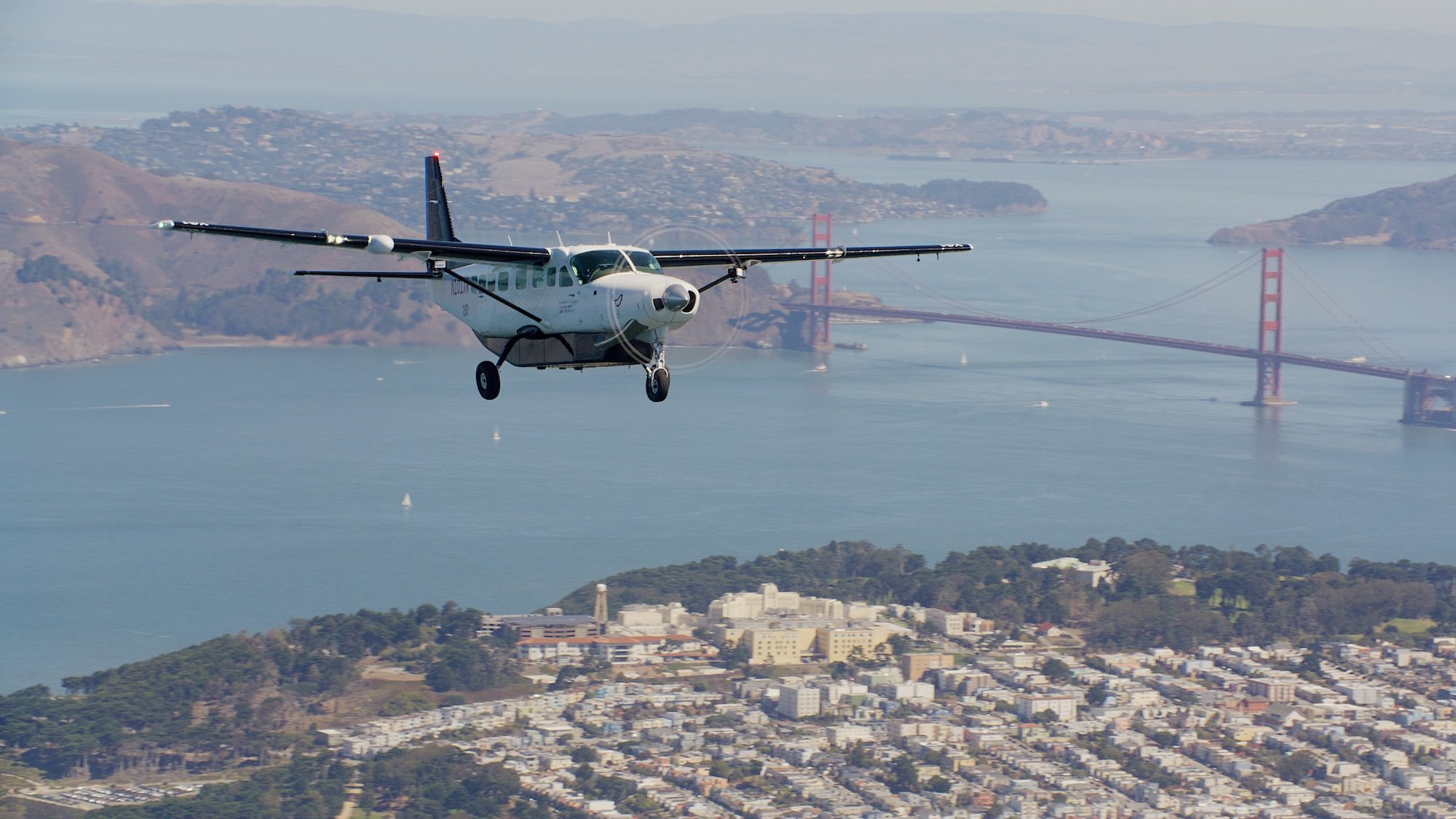
A single-engine prop Cessna Caravan has reportedly become the first airplane to autonomously complete a cross-continental flight across the United States. Overseen by the aeronautics company Joby, the retrofitted aircraft began its challenge in Concord, California, on September 7, ultimately traveling 3,199 miles with no assistance from its onboard human safety pilot. However, the plane didn’t only fly itself once airborne. Autonomous programming directed every stage of its multi-stop journey, including taxiing, takeoffs, and landings. “Autonomy has an important role to play in the future of flight,” Joby founder and CEO JoeBen Bevirt said in a statement on September 18. Bevird added that the technology could soon help “connect remote communities, deliver critical supplies, respond faster to disasters, support military operations, and keep pilots out of harm’s way.” The endeavor couldn’t always follow a preset course. Instead, the autonomous plane needed to navigate numerous common air travel challenges in real-time. These included piloting through one of the nation’s busiest regions above Phoenix, Arizona, as well as rerouting around thunderstorms and severe weather fronts. During its trip, the experimental plane also made demonstration stops at Alliance Airport in Fort Worth, Texas, and at South Carolina’s Shaw Air Force Base. After completed its cross-continental flight, the Cessna made a low pass near the First Flight Monument in Kitty Hawk, North Carolina. Credit: Joby Aviation The Cessna completed the journey on September 14, but Joby tasked it with one more symbolic excursion. Soon after its cross-continental flight, the plane performed a low pass near the First Flight Monument in Kitty Hawk, North Carolina, not far from the site of Orville and Wilbur Wright’s hi

SourcePopular Science
Smart elephants can look before they leapSource linked
Science

Smart elephants can look before they leap

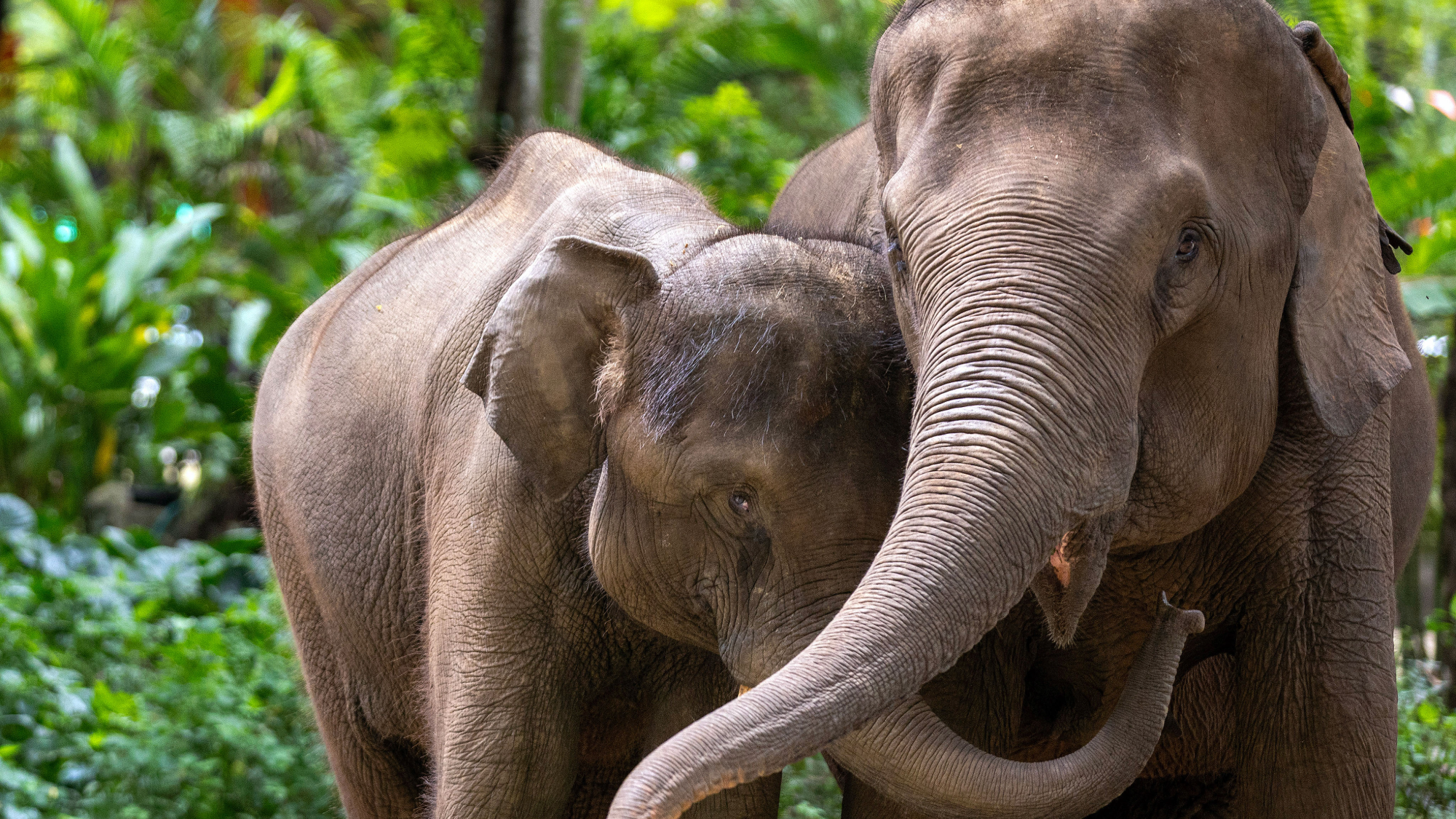
Like humans, elephants are famously social creatures. But unlike teenage humans, Asian elephants (Elephas maximus) can think before they act. Scientists in Thailand discovered this after 16 Asian elephants at the country’s National Elephant Institute successfully participated in a detour test. In this sort of challenge, the animal has to resist an obvious but ineffective strategy (an impulse) to get a treat and follow an effective but indirect alternative—an ability called inhibitory control. “Although we are beginning to understand how intelligent elephants are, we still know very little about their capacity for inhibitory control,” Sydney Hope, a postdoctoral researcher at Hunter College in New York, tells Popular Science. “Understanding elephant inhibitory control will help us understand how this aspect of cognition may have evolved across species, including humans. It will also help us understand how elephants may cope with environmental—including anthropogenic—changes.” Experiment Setup. (A) An elephant enters the “over” opening to gain access to food in a familiarization trial. (B) An elephant enters the “under” opening to gain access to food (apple) in a test trial. Photos were cropped to remove extraneous background material; the left image was mirrored. Image: Photos by Sangpa Dittakul/Hope et al., 2026, PLOS One, CC-BY 4.0. In their new study published today in the journal PLOS One, Hope and her colleagues presented Asian elephants with a transparent box filled with fruit. The box also had small holes, so that the elephants could see and smell the goodies inside. The temptation here was to reach directly through the barrier, whose holes were presumably too small for the elephants’ trunk to fit through. The elephants could consistently resist this impulse, and

SourcePopular Science
Medieval Russian talisman depicts Christian warrior saint and MedusaSource linked
Science

Medieval Russian talisman depicts Christian warrior saint and Medusa

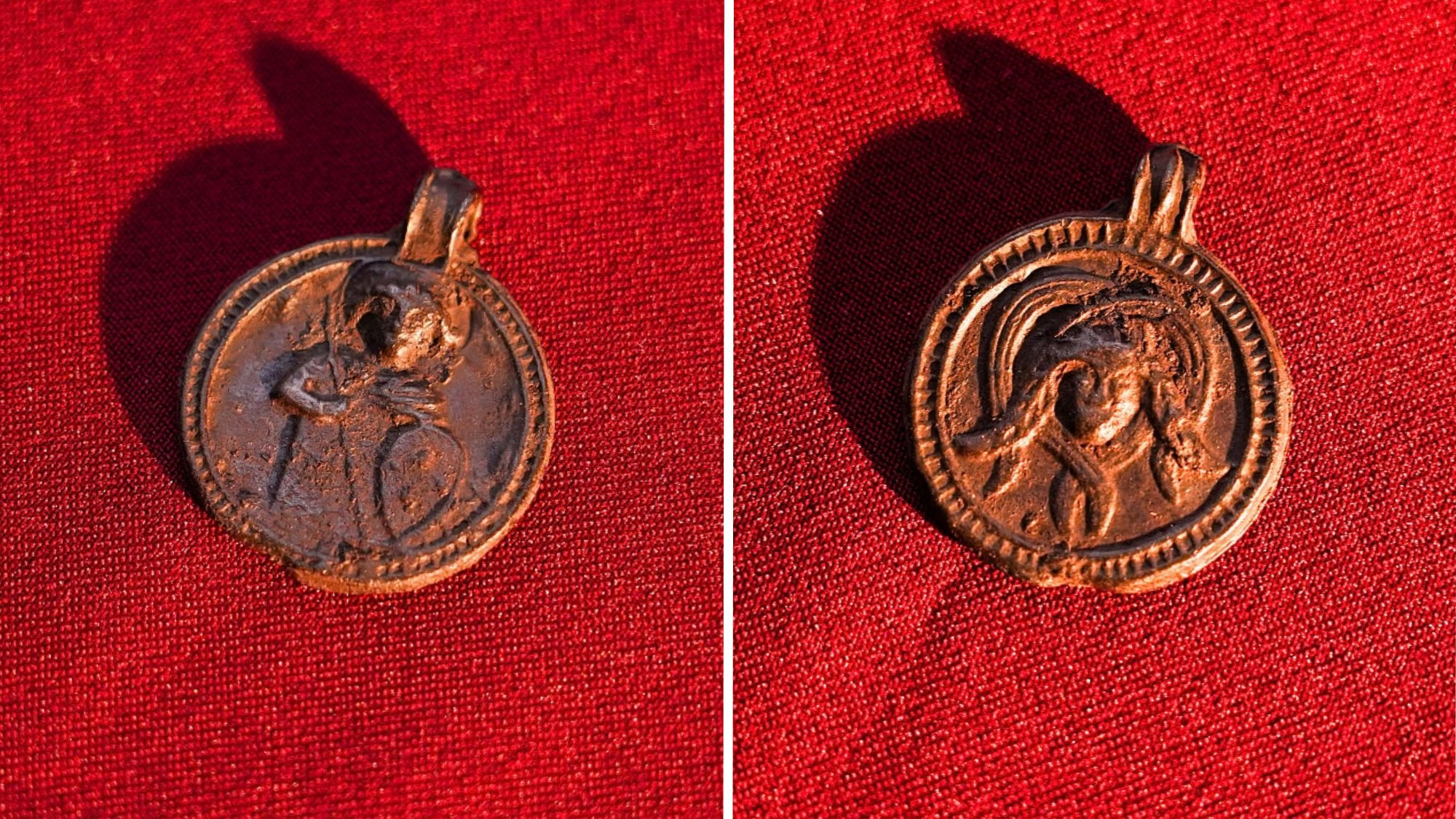
Archaeologists recently discovered a rare Russian medallion that depicts a dramatic cultural clash between medieval Christianity and ancient Greek mythology. Excavated about 400 miles southeast of St. Petersburg near the town of Staraya, the 11th century pendant appears to showcase a warrior saint on its face with the snake-topped head of Medusa on the back. According to archaeologists, the copper-alloy medallion stems from an era in Russia that often straddled the line between regional medieval theology and pre-Christian superstition. The small pendant was recovered from inside the remnants of an ancient urban estate, and is an example of Zmeeviki or coil image. These double-sided pieces traditionally paired a canonical Christian figure on the front with a “pagan” serpent form on the back. While the religious subjects commonly included Jesus, the Archangel Michael, and the Virgin Mary, some variants highlight other saints. In the case of the recent discovery, archaeologists at Novgorod State University theorize the medallion’s saint may be Theodore Stratelates. Born into the Roman empire around 281 CE, Stratelates is a martyr in the Eastern Orthodox Church renowned for slaying a giant serpent, and is frequently depicted wielding a spear and shield. Although the reverse image appears to feature Medusa herself, researchers believe the gorgon served as a stand-in for broader evil forces. “Most likely, this is not a specific mythological creature, but a collective image of dark forces,” Novogorod State University archaeologist Sergei Toropov said in a profile translated from Russian. “Together with other finds, this pendant indicates that already in the 11th century there was a Christian community in [early Russia], and cultural ties with Byzantium were also developed.” Ar

SourcePopular Science
Bald eagles Shadow and Kaydee share sticks and ‘beaky kisses’Source linked
Science

Bald eagles Shadow and Kaydee share sticks and ‘beaky kisses’

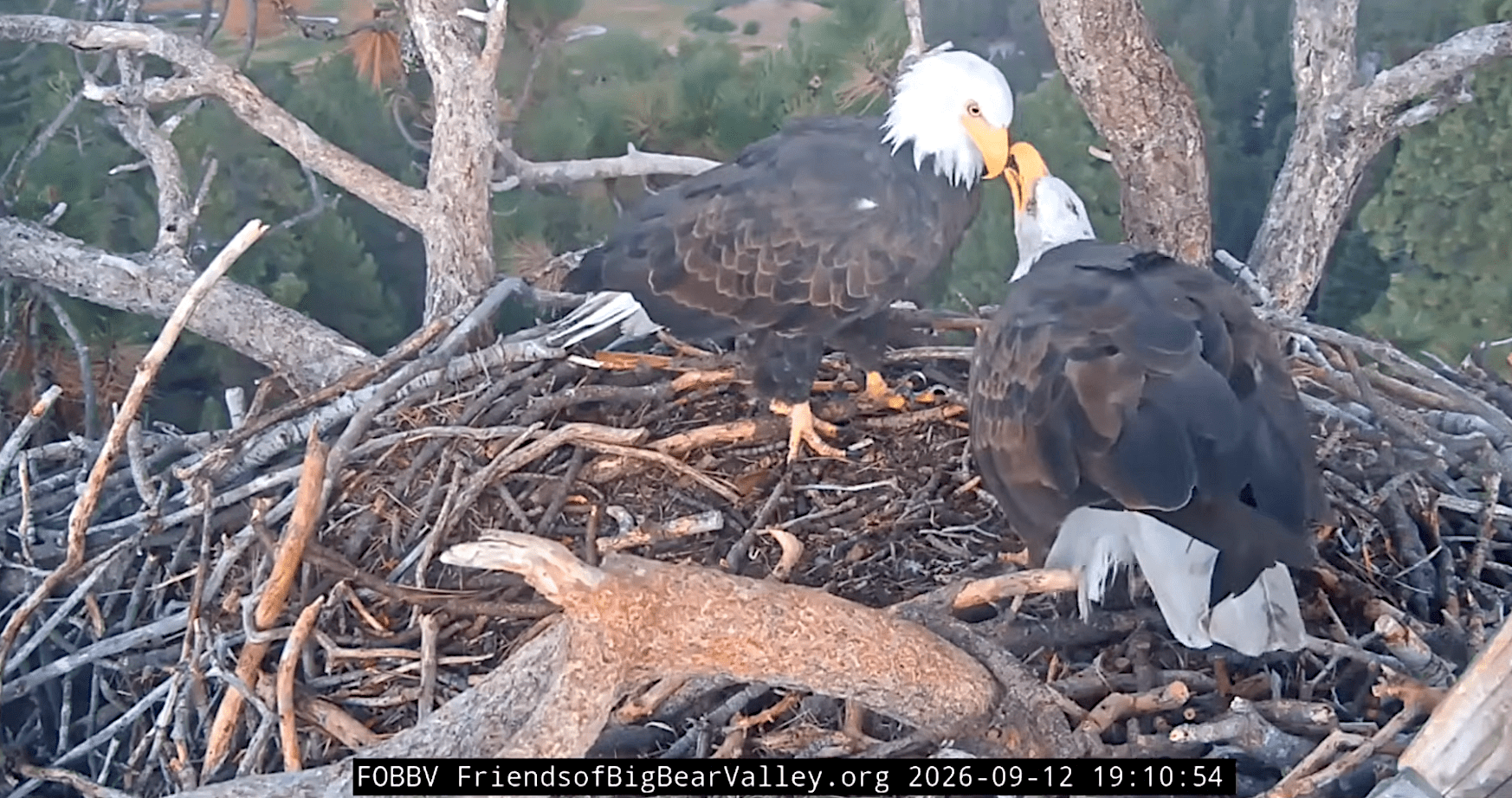
The bald eagle nest in Big Bear Valley is seeing a flurry of activity lately. Friends of Big Bear Valley (FOBBV) cameras have captured Shadow and Kaydee tending to the nest with stick deliveries and even spotted a few ‘beaky kisses’ exchanged in recent weeks. Late summer is typically a quieter time on the nest with parent eagles spending “vacation time” elsewhere in the valley after their chicks have fledged. This summer, we’ve seen Shadow repeatedly visit the nest he once shared with his partner, Jackie. Jackie passed away on August 10 at the Ojai Raptor Center after battling unexplained anemia. She arrived at the rehabilitation facility in July after being found injured after a fight with two sub-adult eagles near Dana Point Park, California. Jackie and Shadow had nested together since the summer 2018 after Shadow edged out her former mate, Mr. B. Following Jackie’s death, a 4-year-old eagle named KD1 (later renamed Kaydee by FOBBV) began hanging out near the nest. Shadow has appeared open to socializing Kaydee, as cameras have spotted the pair singing together and spending time on the nest. It’s still not clear if Shadow and Kaydee will advance their relationship beyond friendship (eggs are typically laid in January), but the duo have been sharing an increased amount of time together. “As we continue to see Shadow and Kaydee interacting socially with one another, one thing we can count on is that Kaydee’s visits bring us a quiet peacefulness,” FOBBV wrote on Facebook. “We will always miss our beloved Jackie, but this eagle friendship is a comfort to witness, from the moment the sun sets to when it rises in the morning and sets again when the day is over.” While excited viewers refer to beak-to-beak contact as “kisses,” it’s more often called billing by wildlife exper

SourcePopular Science
It’s almost time to airdrop rabies vaccines againSource linked
Science

It’s almost time to airdrop rabies vaccines again

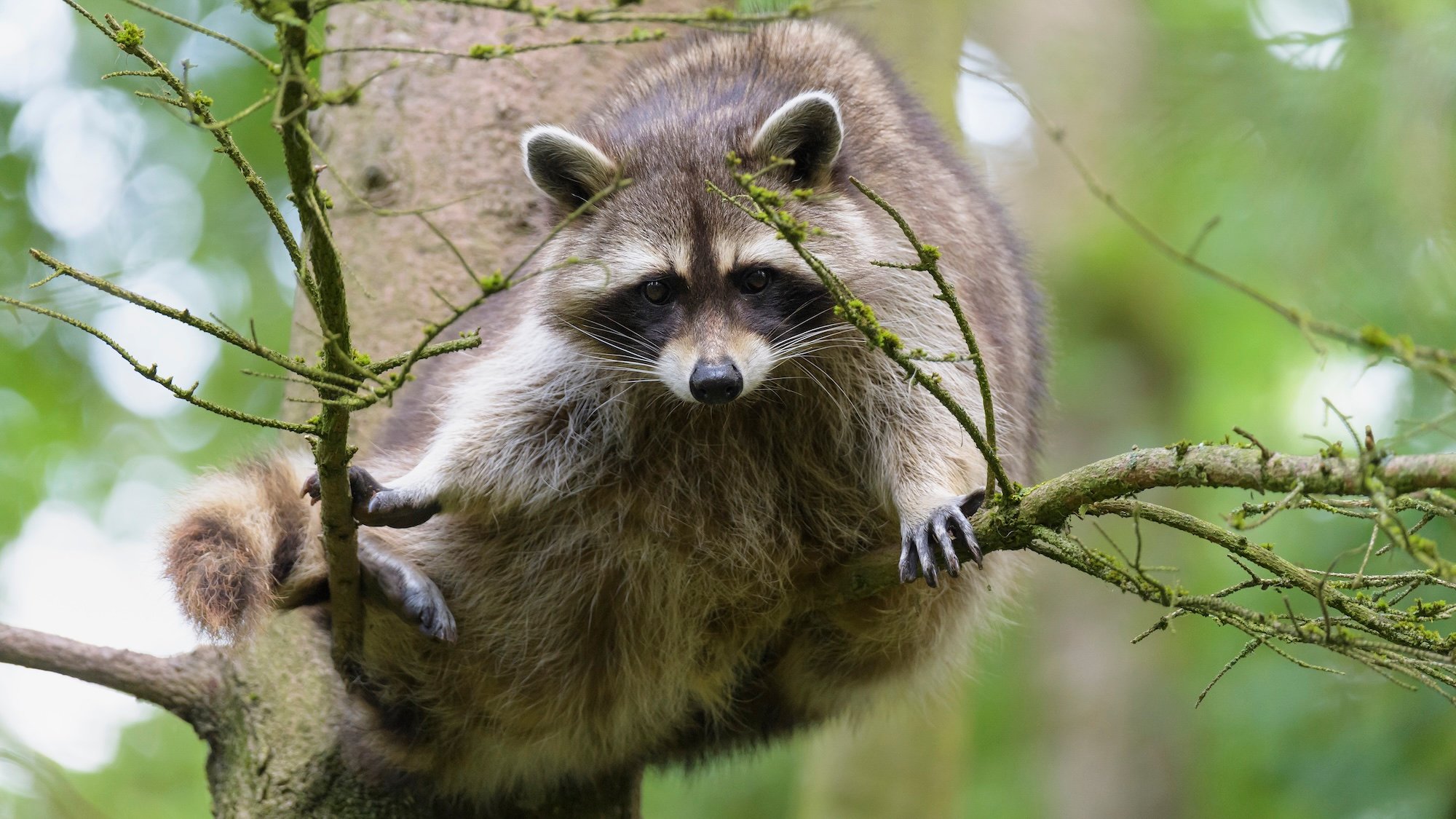
Despite major strides in education and conservation efforts, rabies remains a serious public health issue. The Center for Disease Control (CDC) estimates around 90 percent of cases occur in wildlife, but their consequences still reverberate across ecosystems and routinely endanger humans. Combating the viral disease costs the United States over $300 million every year, but the hefty price tag is justified. Contracting one of the oldest known diseases invariably causes severe symptoms like abnormal sensations, violent movements, hydrophobia, and loss of consciousness. Rabies is fatal in virtually every documented case, and still kills around 59,000 people around the world each year. Once primarily associated with dogs, rabies has since spread to wildlife such as raccoons, skunks, bats, and foxes—making the issue much more difficult to track and control. Since 1995, the United States Department of Agriculture (USDA) has overseen a National Rabies Management Program in cooperation with state and federal departments, university researchers, and other organizations. After over 30 years of work, one of the most preferred mitigation methods is regularly placing oral rabies vaccine (ORV) bait in strategically selected wildlife areas. The easiest way to spread millions of bait blocks across thousands of square miles? Airdrops. The bait isn’t toxic, but the USDA recommends using gloves to handle it. Credit: USDA Next month, the USDA will once again begin tossing fishmeal-coated ORV packets from planes throughout the Southeastern states of Virginia, North Carolina, Tennessee, Georgia, and Alabama. These tiny edibles are specifically crafted to target the most prominent rabies variants seen in raccoons, coyotes, and gray foxes. “The goal is to prevent westward spread of raccoon rab

SourcePopular Science
World War II shell detonated on British Coast Source linked
Science

World War II shell detonated on British Coast 

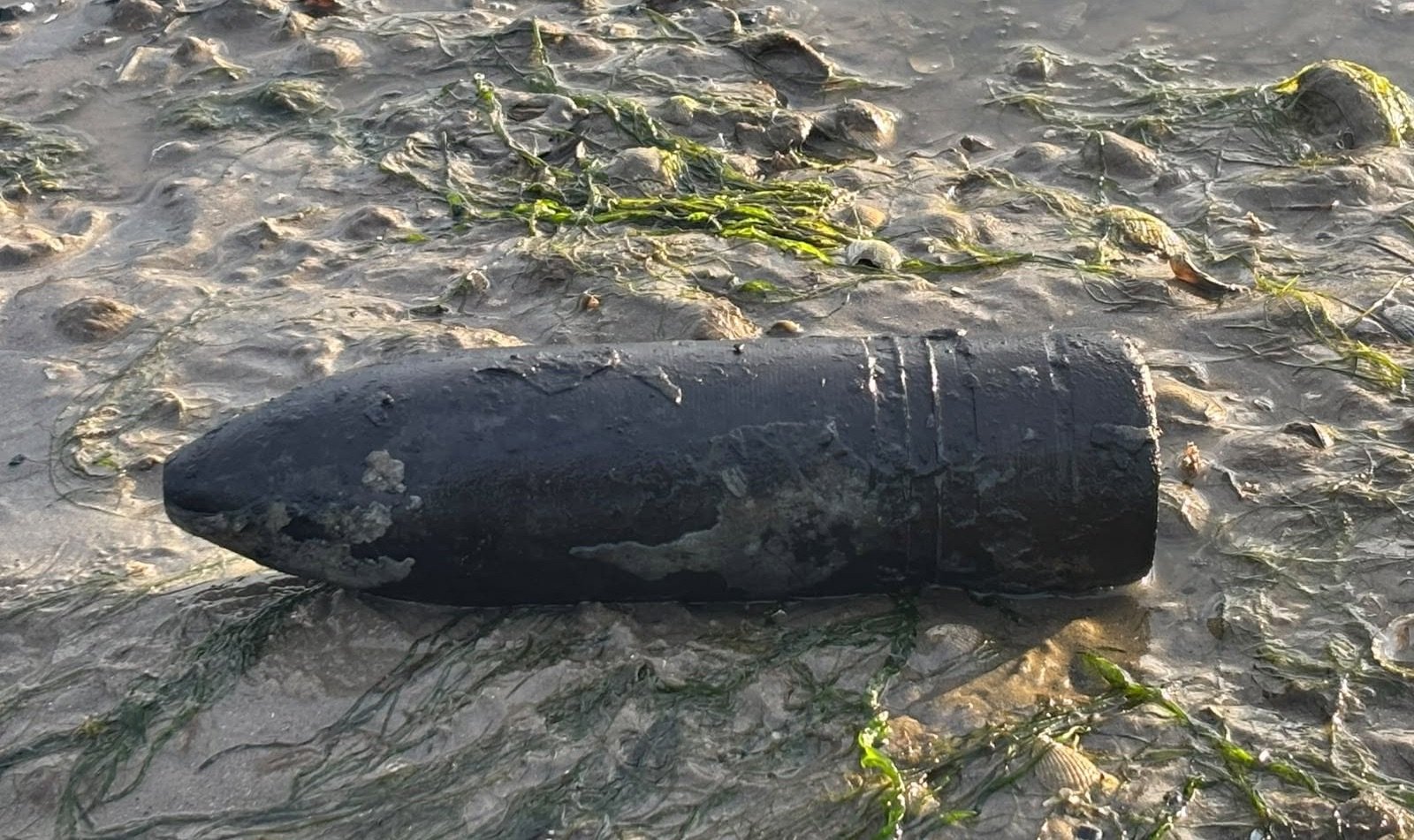
It’s common to find things among the sand while strolling along a beach: shells, seaglass, bits of and seaweed. But in Essex, England, a beachgoer found something quite different on the coast of Southend-On-Sea: a World War II explosive. Southend-On-Sea’s HM Coastguard intervened over the weekend after someone reported a “shell-shaped object” less than half a mile south of a local monument called “The Crowstone.” The team first showed up early in the morning to locate the object and send pictures to the Army Explosive Ordnance Disposal teams. The Explosive Ordnance Disposal teams decided that disposal officers should remain on the scene, but that everyone should go back at low tide to identify the object and execute a plan. When they returned that evening, Southend Coastguard Rescue Officers accompanied Explosive Ordnance Disposal officers to the suspected explosive. “It was confirmed to be an old WWII shell that was approximately six inches in diameter,” HM Coastguard Southend On Sea explained in the social media post. “The decision was made to detonate it in situ, where it posed no risk to passing members of [the] public.” The video in the Facebook post showcases a significant explosion in the distance, shooting a cloud of debris into the air. It’s not the first time this year that the violence of World War II makes itself known again. In the spring, experts safely detonated a 250 kilogram German explosive in Plymouth, UK. But possibly another World War II find in Indonesia had a drastically less fortunate outcome. A suspected shell killed five people when it detonated in a fishing village. “As these items can be so dangerous, if you ever see something suspicious or out of place on the beach or in the sea, do not touch it, move it or take it home,” the post continued.

SourcePopular Science
First Diplodocus fossils found outside of United States Source linked
Science

First Diplodocus fossils found outside of United States 

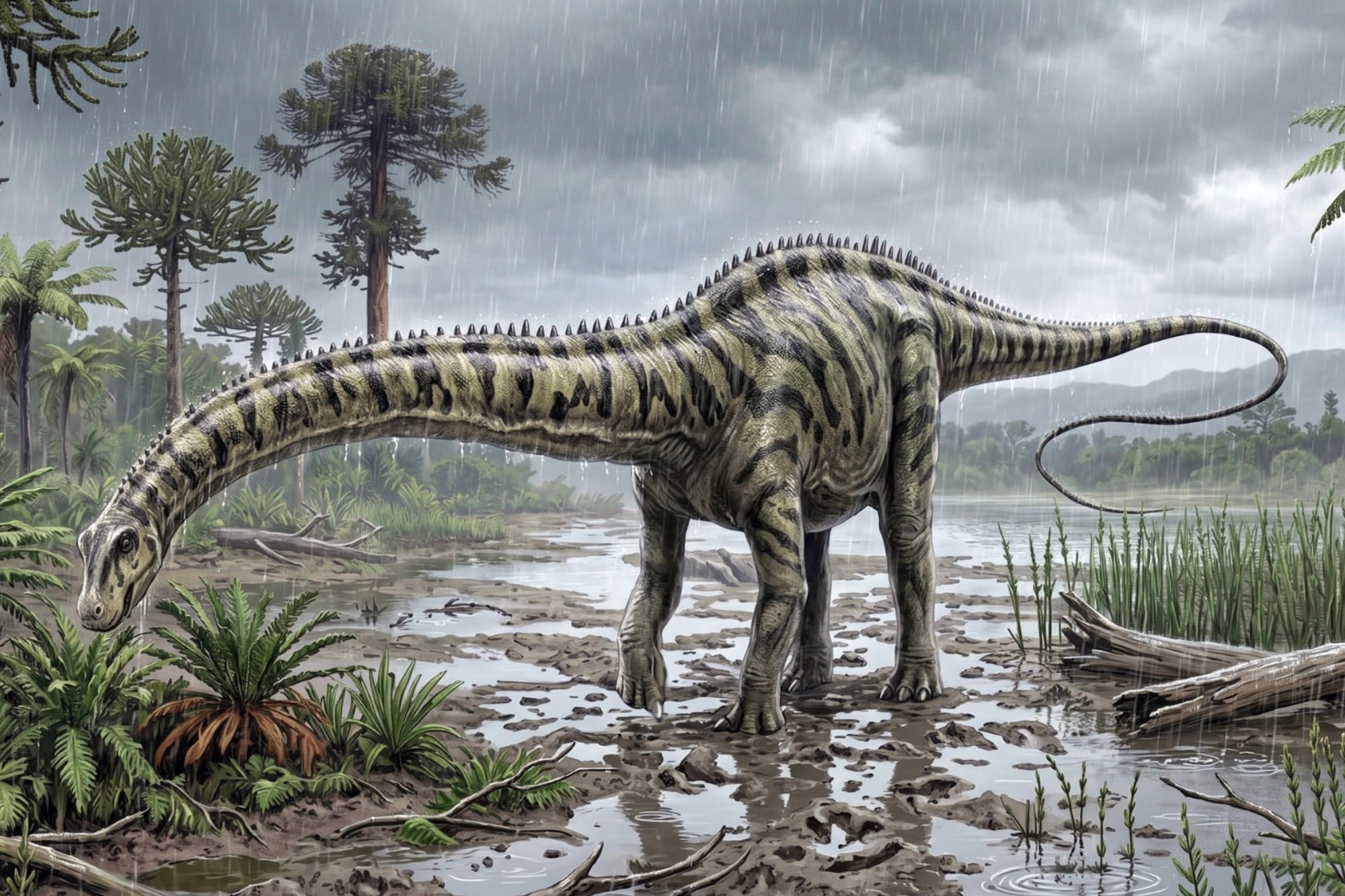
Diplodocus is a famous genus of giant sauropod dinosaurs with small heads and long, whip-like tails that lived in the Late Jurassic period (155 to 145 million years ago). Since its discovery in 1878, all confirmed Diplodocus remains have been unearthed from the Morrison Formation fossil hotspot in the western United States. Now, however, paleontologists have identified Diplodocus remains in Spain. The remains came to light in the El Castellar municipality of the Spanish city of Teruel, and represent the first evidence of Diplodocus beyond the borders of North America. They consist of 14 well-preserved tail vertebrae and several chevron bones (bony arches in the tail). Through traditional anatomical comparisons and advanced phylogenetic analyses, the researchers confidently categorized them as Diplodocus and a close cousin of Diplodocus hallorum. “As we looked more closely at the anatomy, we began to identify a combination of features characteristic of Diplodocus species. Then, as we carried out different evolutionary analyses, they kept pointing in the same direction,” Sergio Sánchez Fenollosa, lead author of the Journal of Vertebrate Paleontology study and a graduate student in biodiversity and evolutionary biology at the Joint Paleontology Foundation Teruel-Dinópolis research foundation, said in a statement. “With each new result, the picture became clearer: we were looking at a Diplodocus.” Dinópolis is a huge paleontological museum and theme park in Teruel, about 200 miles east of Madrid. This particular individual dates back to around 150 million years ago. Its place of death indicates that during the Late Jurassic, dinosaurs could migrate from between North America and Europe, probably making use of temporary land bridges that sometimes emerged in the proto-North

SourcePopular Science
Sunken WWI sub is leaking TNT into the North SeaSource linked
Science

Sunken WWI sub is leaking TNT into the North Sea

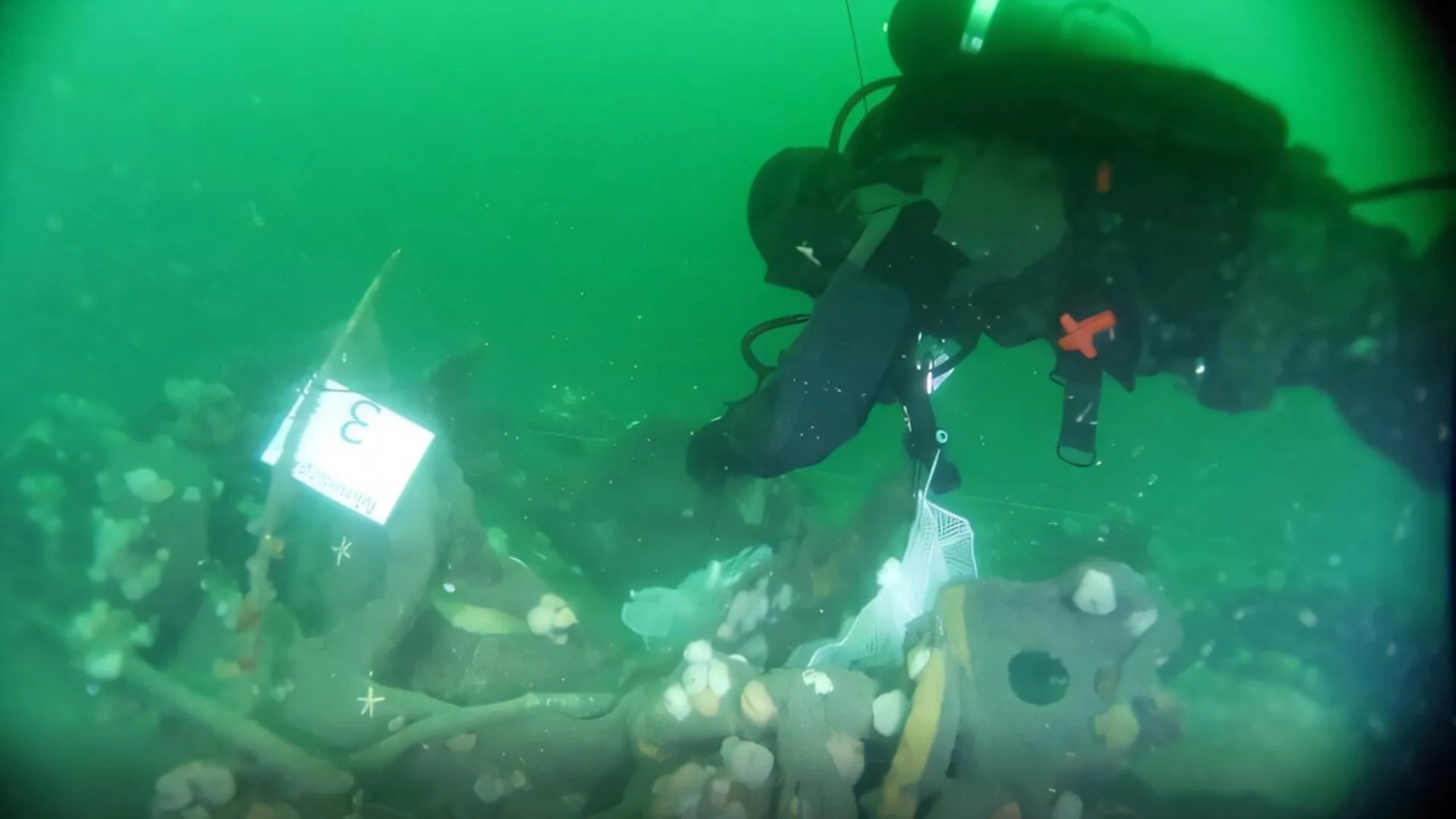
A World War I submarine that sank nearly 110 years ago has been leaking explosive pollutants into the North Sea for decades. What’s more, ocean researchers say the problem may worsen over time—not only near the German vessel itself, but at thousands of similar shipwrecks. On April 19, 1917, Germany’s UC-30 submarine was attempting to return home due to engine problems when it struck a British mine near the Danish island of Rømø. All 27 crew members perished, and the sub remained missing until its rediscovery almost a century later in 2016. As part of the North Sea Wrecks research project, marine ecologists recently collaborated with Danish navy divers to visit the UC-30’s remains. There, they collected water and sediment samples as well as mussels and starfish specimens that lived near the vessel’s remains. One of the few known photos of the UC-30. Credit: Deutsches U-Boot Museum Cuxhaven-Altenbruch Subsequent laboratory analysis showed that traces of TNT are filtering into the surroundings from at least some of the submarine’s six torpedoes and 18 mines. The residual toxins aren’t concentrated in one specific area, either. “We found traces of TNT in the wildlife, the seabed, and the water column,” study co-author and Aarhus University geoscientist Katrine Juul Andresen said in a recent profile. “The question is how significant the effect is and how far from the wreck the pollution impacts the marine environment.” Andresen and her colleagues suspect the pollutants remain “relatively localized,” but that will change as the wreck continues to deteriorate from the North Sea’s corrosive conditions. UC-30 is only one of likely thousands of similar historic wrecks that litter Denmark’s waters. Andresen cited a Danish Environmental Protection Agency report focused on the ongoi

SourcePopular Science
11 vibrant deep-sea creatures shine in new Caribbean expeditionSource linked
Science

11 vibrant deep-sea creatures shine in new Caribbean expedition

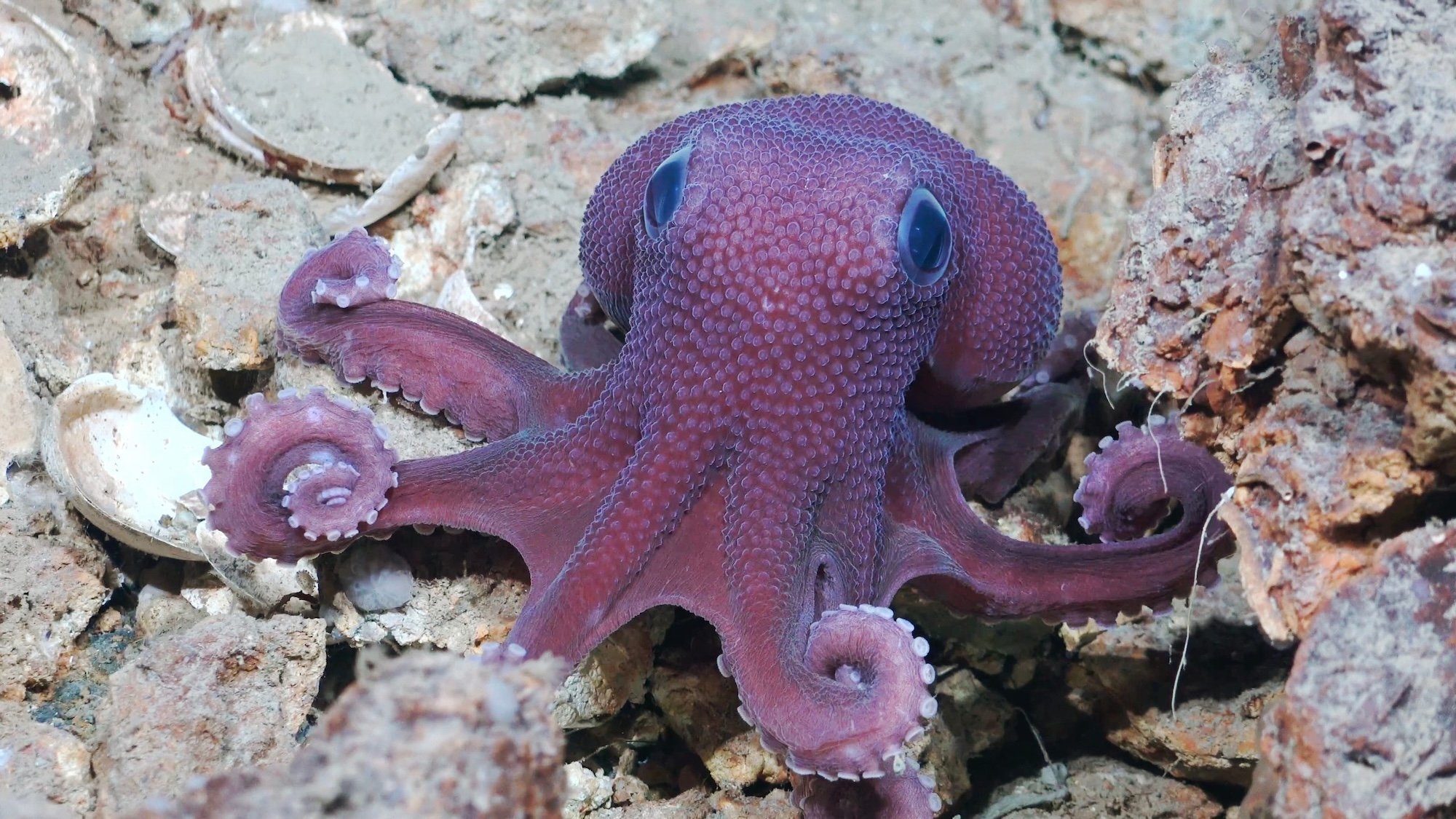
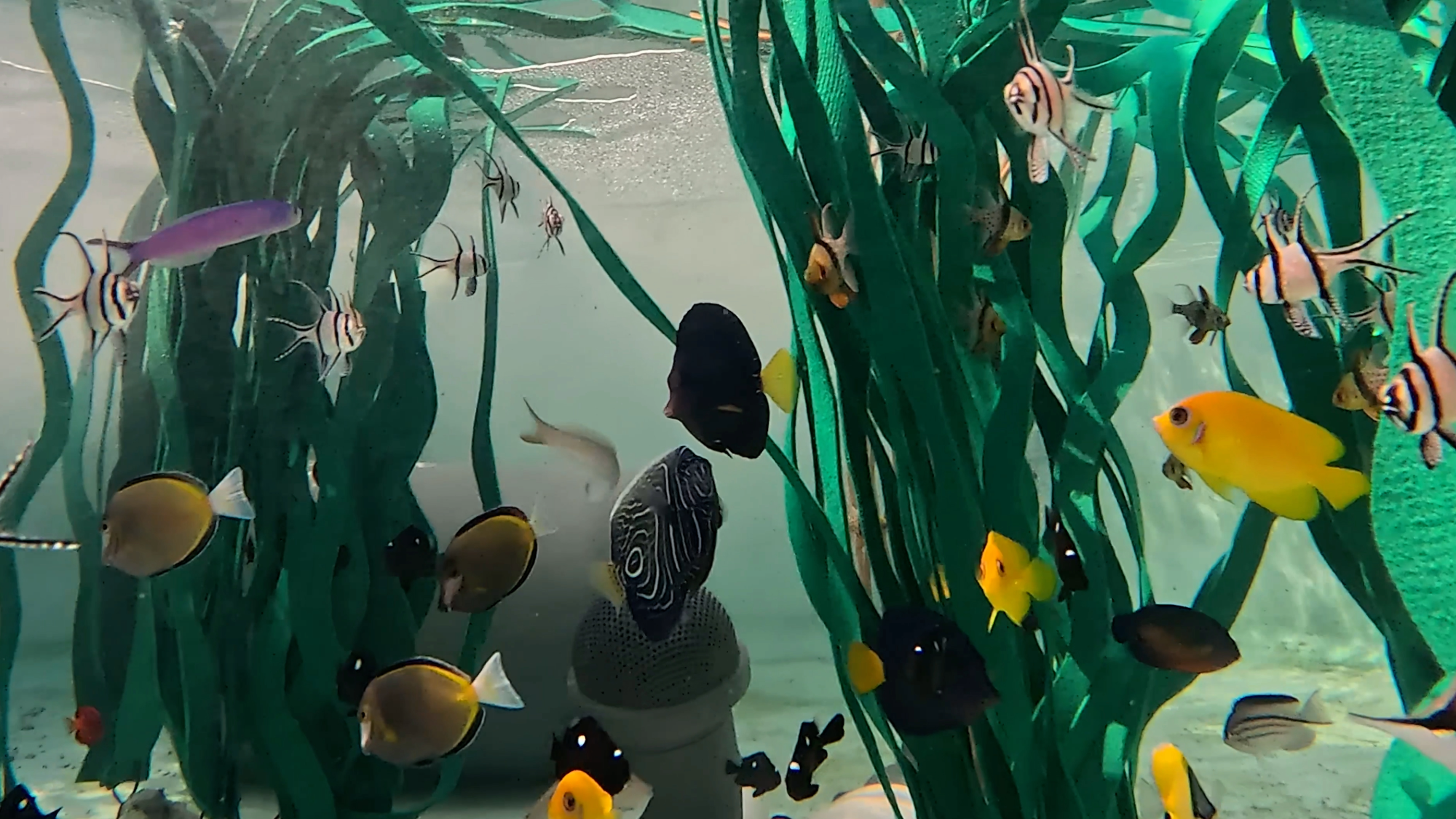
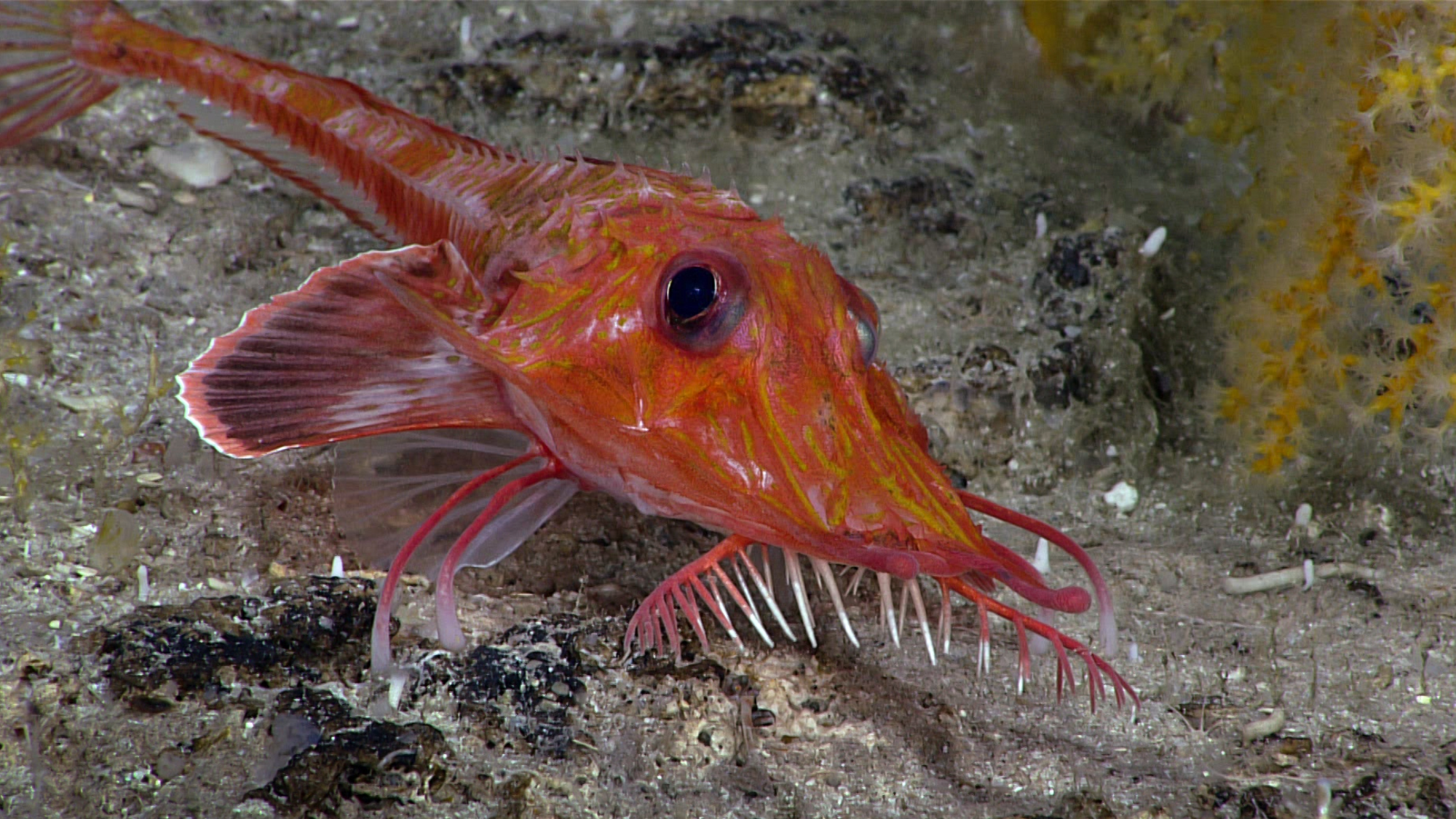
Marine biologists from Trinidad and Tobago recently completed the first locally helmed and most expansive survey of the deep-sea waters around the Caribbean islands. The month-long project aboard Schmidt Ocean Institute’s research vessel (R/V) Falkor (too) documented around 13 percent of the nation’s marine territory, and described 20 potential new species. Researchers also collected over 700 specimens for the University of the West Indies, St. Augustine. Once catalogued, the additions will increase the size of the university’s Zoology Museum deep ocean collection by 12 times. “Every new discovery we make, whether ecosystem, species or behavior, deepens our understanding of what’s at stake and strengthens our ability to be true stewards of this largely unseen but critical part of our country,” said expedition chief scientist Diva Amon. Check out some of the stunning, rarely seen creatures below. (Click to expand images to full screen.) Suspected new sea star A suspected new species of sea star (Porcellanasteridae) rests on the seafloor at a depth of 3,961 meters. Researchers collected the specimen while making dozens of other discoveries during the expedition, including at least 20 suspected new species. Credit: ROV SuBastian / Schmidt Ocean Institute Symbiotic coral Symbiotic brittle stars cling to a deep-sea coral off the coast of Trinidad and Tobago. A research team led by marine biologist Dr. Diva Amon (SpeSeas), composed largely of Trinbagonian scientists, surveyed the island nation’s deep-water territory to document rare ecosystems and guide local conservation efforts. Credit: ROV SuBastian / Schmidt Ocean Institute King crab A king crab (Lithodes genus) crawls across the seafloor at a depth of 1,083 meters. Top predators in deep-sea environments, researchers docu

SourcePopular Science
Yellowstone National Park retrieved 280 hats from hydrothermal vents this summerSource linked
Science

Yellowstone National Park retrieved 280 hats from hydrothermal vents this summer

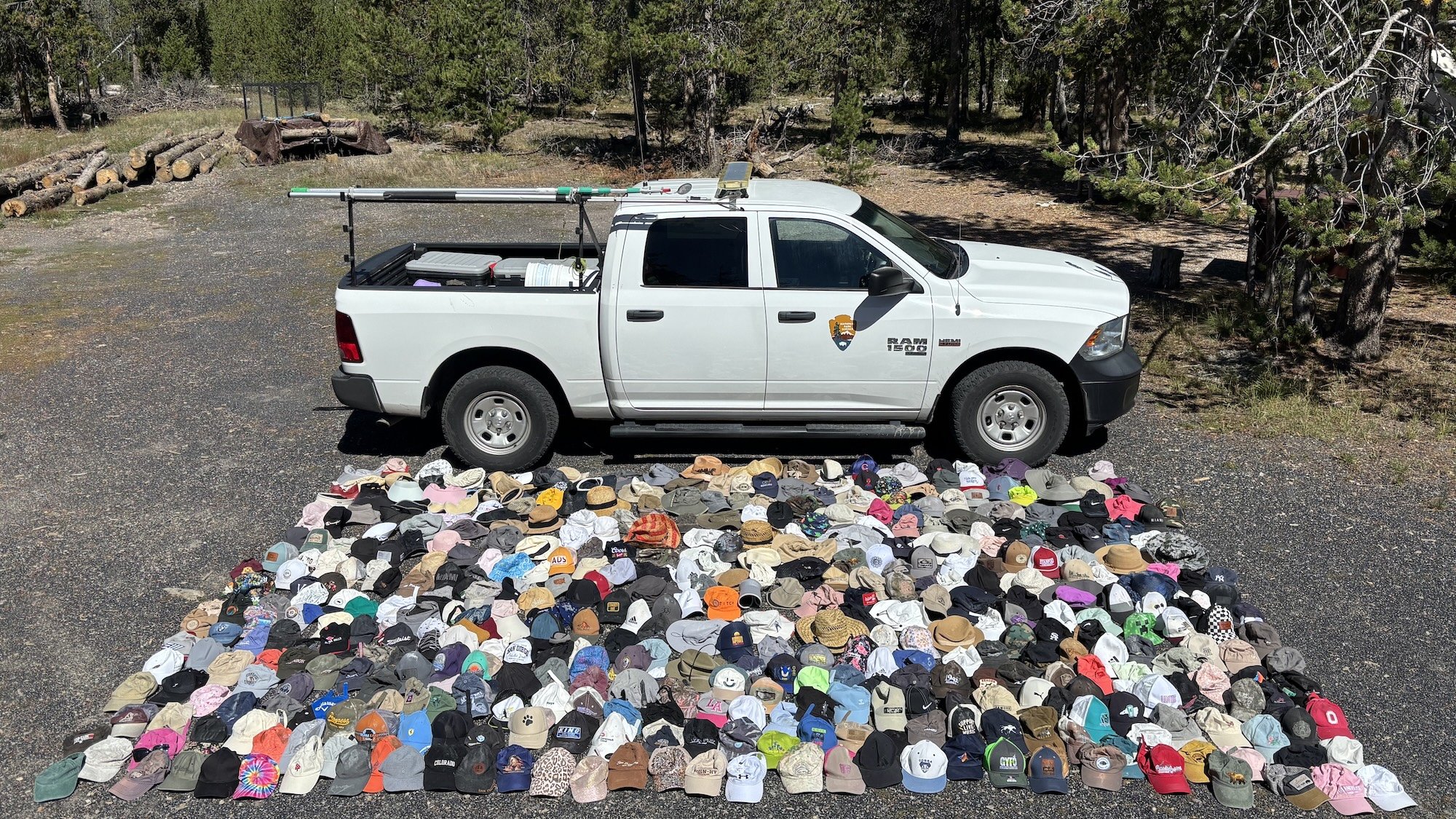
Yellowstone National Park attracts more than 4.5 million visitors from around the world every year. Many sightseers arrive well prepared to admire the hotsprings, geysers, scenic lookouts, and wildlife, but there is only so much anyone can do about life’s little unexpected accidents. Each season, Yellowstone’s gusty winds are responsible for blowing away hundreds of hats, maps, and even sunglasses from the heads and hands of onlookers. And every season, park workers scour the grounds to gather up any lost items that landed far from the walkways and trails. While the tally so far isn’t quite as large as last year’s haul, Yellowstone officials still impressively retrieved more than 280 hats from the hydrothermal areas. Workers cited standouts including a FIFA 2026 Men’s World Cup souvenir and a baseball cap ironically emblazoned with “Cowboy Hat.” But just because they aren’t suited for floating around roiling geysers doesn’t mean they’re destined for a landfill. Once the 2026 season draws to a close, all of the collected hats will be cleaned and donated to local clothing organizations. Yellowstone officials recommend storing items deep in your pockets and always throwing litter into trash bins. Credit: Yellowstone National Park Caps are only one type of lost item located amid the hunts. Workers scooped up more than $18 in coins from around the world during the summer search. Canadian dollars, euros, pesos, and yen were scattered among the U.S. change, many apparently tossed into hot springs and geysers as if they were wishing wells. Yellowstone officials took the occasion to remind everyone that hydrothermal formations are not made to receive wished-upon coins. Not only will your dream remain unfulfilled—the foreign additions often introduce destructive algae and bacteri

SourcePopular Science
Physicist proves famous ‘Star Trek’ combat strategy worksSource linked
Science

Physicist proves famous ‘Star Trek’ combat strategy works

The most impressive science fiction stories emphasize “science” over spectacle. The Star Trek franchise has featured plenty of examples since the original series premiered 60 years ago this month, but one of its most famous sci-fi moments may prove even more fascinating than fans realized. At Brazil’s Federal University of ABC, physicist Níckolas de Aguiar Alves determined that an early episode of Star Trek: The Next Generation demonstrates an aspect to the theory of relativity even better than its creators likely anticipated. Season One’s ninth episode, “The Battle,” introduces a bit of backstory to Jean-Luc Picard’s illustrious career in the Federation. Years before he became captain of the USS Enterprise, Picard oversaw a ship called the Stargazer when it came under fire from an unknown assailant. Picard needed to navigate closer to the mystery attacker before responding, but the Enterprise’s shields were down. The captain then quickly improvised what later became known as the “Picard Maneuver.” He ordered his crew to rush their foe at warp speed (faster than the speed of light) then quickly halt and begin firing. Relativistic physics dictated that if Stargazer traveled faster than visible light, it would technically generate two images of the ship from their attacker’s point of view—one Stargazer at the location just prior to warp speed, then a Stargazer where it halted. The operation was risky, but it gave Picard and his crew a 50/50 chance that the enemy would continue firing on an afterimage of Stargazer. Traveling faster than lightspeed is widely considered impossible, but the underlying principles of Picard’s Maneuver don’t only hold up to expert scrutiny—its depiction in Star Trek is hypothetically less accurate than it should be. According to de Aguiar Alves,

SourcePopular Science
Katmai bear cubs tumble over waterfallSource linked
Science

Katmai bear cubs tumble over waterfall

A brown bear cub learns a lot in its first year of life—how to fish, how to steer clear of trouble. Two curious cubs recently learned a valuable (and wet) lesson about the strength of currents. At Alaska’s Katmai National Park and Preserve, home to Fat Bear Week, Bear #224 took her cubs on a journey near Brooks Falls. Early in summer, Brooks Falls is a hot spot for salmon munching by the park’s resident brown bears. By September, most bears move to the lower Brooks River to eat the dead and dying salmon near the river’s mouth. As Bear #224 navigated the upper part of the falls with her two spring cubs, the young bears toddled up a rock and each hopped off. The strength of the current pulled the bears over the waterfall, despite their best efforts to paddle upstream. No other bears were present at the falls during the incident and mama bear eventually made her way down to join her cubs and move down river to calmer waters. Brown bears are strong swimmers, moving up to 5mph in the water, according to the Alaska Wildlife Conservation Center. They use all four legs to paddle and their body fat helps provide buoyancy. They also shake like dogs to remove excess water after a swim. Fat Bear Week kicks off September 22. Votes may be cast from noon to 9 p.m. EDT (9 a.m. to 6 p.m. PDT and 8 a.m. to 5 p.m. ADT) from September 22 and 29 at fatbearweek.org. The post Katmai bear cubs tumble over waterfall appeared first on Popular Science.

SourcePopular Science
Rats make an ultrasonic sound when they eat chocolateSource linked
Science

Rats make an ultrasonic sound when they eat chocolate

There’s nothing better than sinking your teeth into a sweet, creamy chocolate bar. Rats think so, too—and they may announce their chocolate-infused joy to the world at ultrasonic frequencies. Researchers have previously linked ultrasonic rat vocalizations with different emotional and motivational states in the animals, such as in reaction to rewarding stimuli. For example, the rodents vocalize in this way when eating something sweet. Now, a team of researchers in Japan have discovered that rats emit a particular ultrasonic vocalization while eating chocolate. Their findings are detailed in a study recently published in the journal eNeuro. To come to this conclusion, the researchers compared ultrasonic vocalizations that rats emitted when they had access to chocolate, with those they made when they didn’t have access to the candy. The team also compared them with a chocolate-free control group of rats. Researchers then used AI to analyze the vocalizations’ acoustic features, identifying a distinct ultrasonic vocalization—officially 40 kHz inverted-U—strongly associated with chocolate snacking. “When rats eat something delicious such as chocolate, they emit a distinct ultrasonic call that humans cannot hear,” Koshi Murata, a study co-author and researcher at the University of Fukui, said in a statement. “This call drops sharply when the brain’s opioid ‘pleasure’ system is blocked. This suggests that rats may be vocally expressing the enjoyment of eating, offering a new window into whether animals experience pleasure as we do.” To see if this distinct vocalization was related to the tastiness of food or just eating in general, Murata and colleagues compared chocolate-eating vocalizations with the sounds the rats produced while eating regular food. And while the rats ate si

SourcePopular Science
500 snails mailed to Tahiti to reclaim their natural habitatSource linked
Science

500 snails mailed to Tahiti to reclaim their natural habitat

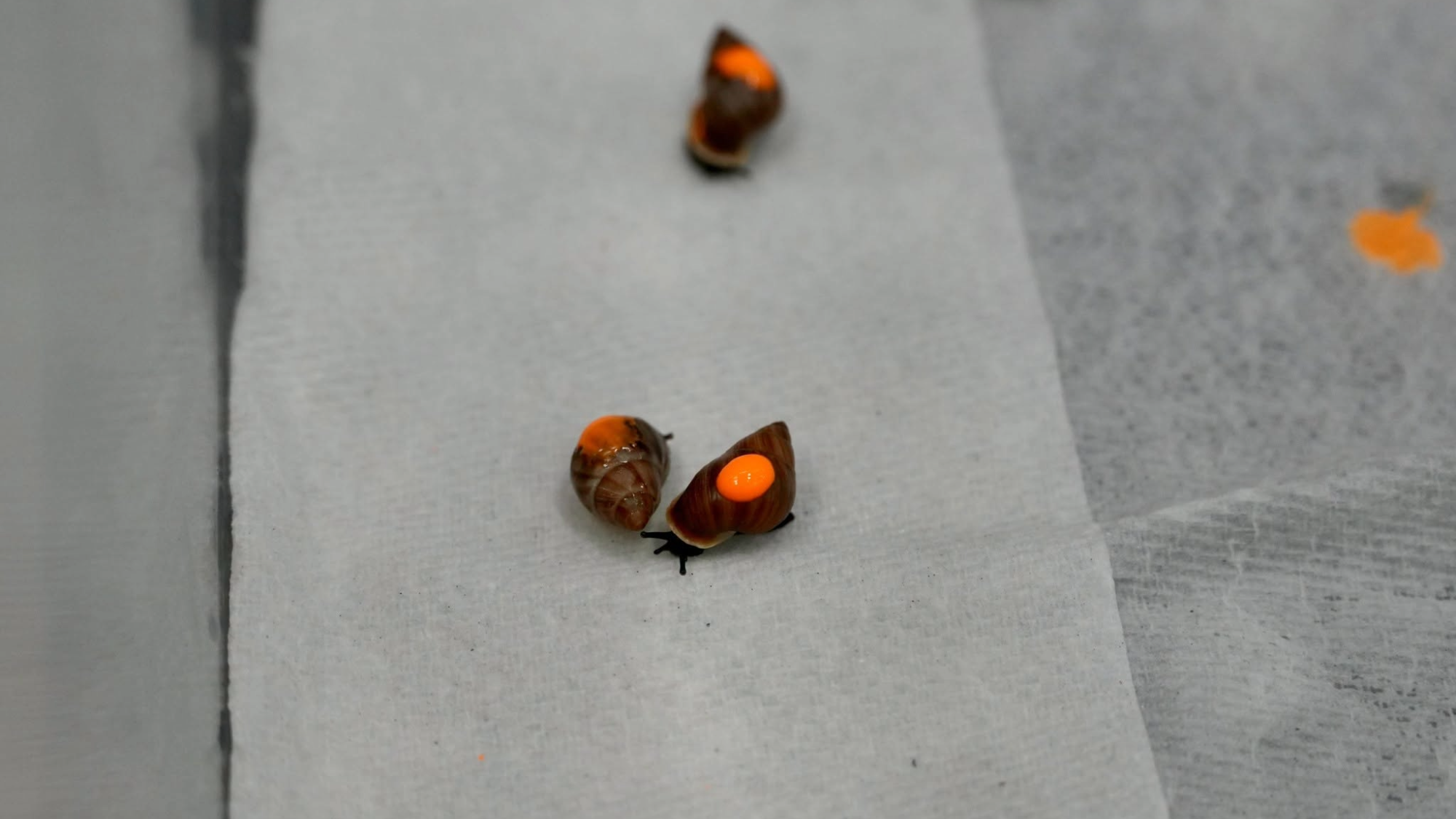
Staff at St. Louis Zoo in St. Louis, Missouri recently opened up a very special delivery in the mail: an overnight shipment of 500 adult Partula snails. Their journey began at the Detroit Zoo in Royal Oak, Michigan, and it’s not quite over yet. The small invertebrates’ final destination is Tahiti, where they will be released into the wild as part of an international effort to reestablish wild populations of Partula snails. “The snails are sent ‘priority overnight’ via either FedEx or UPS. The snails are carefully packed using insulating materials and special ‘phase change’ packs to stabilize the temperature inside,” Mark Vassallo, Curator of Amphibians at the Detroit Zoological Society, tells Popular Science. “Currently the Detroit Zoological Society bred snails are taking a pit-stop at St. Louis Zoo where they will be fed a special diet in order to prepare them for the wild.” Partula snails are small, tree-dwelling native to islands in French Polynesia. In Polynesian cultural heritage, each unique Partula snail shell represents an island. When humans introduced the predatory rosy wolf snail to the region to manage another invasive snail species, it wrecked Partula snail populations. A Partula snail is weighed and measured by keeper Tom Maunders, during the annual weigh-in at Whipsnade Zoo in England. Image: Joe Giddens/PA Images via Getty Images. For decades, the Detroit Zoo has been breeding and raising Partula snails and helping return them to their native habitat by the thousands in Tahiti. In fact, the 500 en route right now were all bred at the zoo. Each of their shells features an orange dot of animal-safe paint that glows in UV light, which identifies them as one of the snails released in 2026. Each year has a different color, and the dots also allow conservatio

SourcePopular Science
Mars astronauts could live in houses 3D-printed from freeze-dried yeastSource linked
Science

Mars astronauts could live in houses 3D-printed from freeze-dried yeast

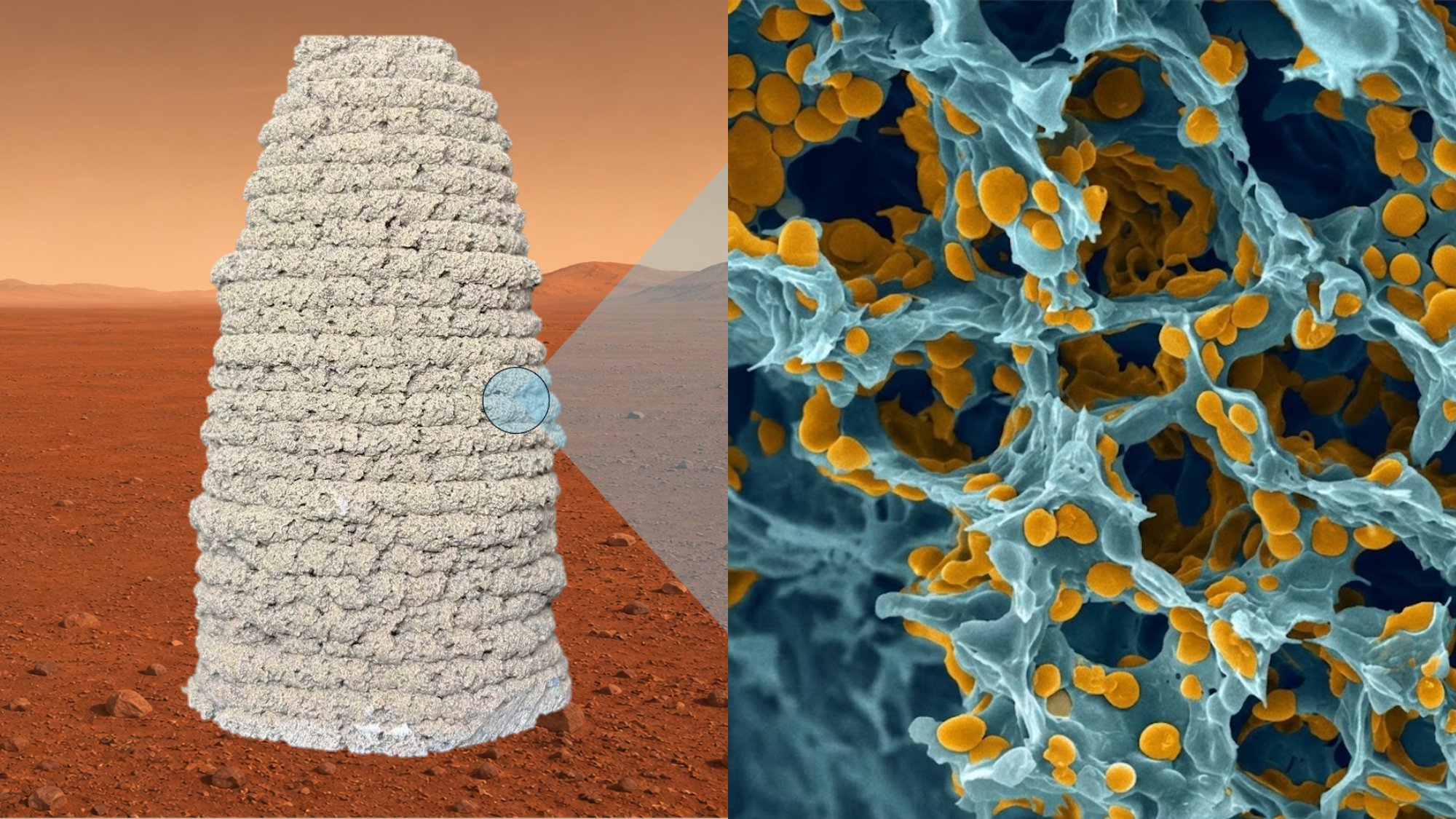
In order to survive, the first humans to reach Mars will immediately need a safe and reliable place to set up shop. But building on Earth’s neighbor is immensely more challenging than construction projects at home. The Martian surface is a practically airless vacuum, constantly bombarded with radiation, and regularly reaches temperatures as low as -81 degrees Fahrenheit. However, there is a very specific process on Earth that approximates similar conditions to the Red Planet: freeze-drying. According to researchers at The Hong Kong University of Science and Technology, the same method used to preserve perishable foods could also inspire sturdy and even recyclable 3D-printed houses on Mars. The secret ingredients? Everyday gelatin and yeast. The novel approach is detailed in a study published today in the journal Chem Circularity. “My inspiration came from freeze-dried fruits that become harder. So I asked myself if we can take advantage of that and make some materials,” Jishen Qiu, a study co-author and civil engineer, said in a statement. The combination of materials are simple: sand and an adhesive binder. Since gluing tiny rocks together requires specialized stickiness, Qiu’s team invented a new concoction from gelatin and lab engineered yeast. When mixed, the yeast microbes become coated with adhesive proteins similar to those used by mussels to anchor on stones underwater. The goop is then extruded through a 3D printer nozzle into an extremely cold, low-pressure environment, where it solidifies as the water instantly freezes and converts from ice to vapor. The final result is a light, porous, foam-like material that remains very resilient. “This is actually strong enough to build a one- or two-story building on Earth—whose gravity is three times that of Mars,” expl

SourcePopular Science
Single California condor mother gets help raising her chickSource linked
Science

Single California condor mother gets help raising her chick

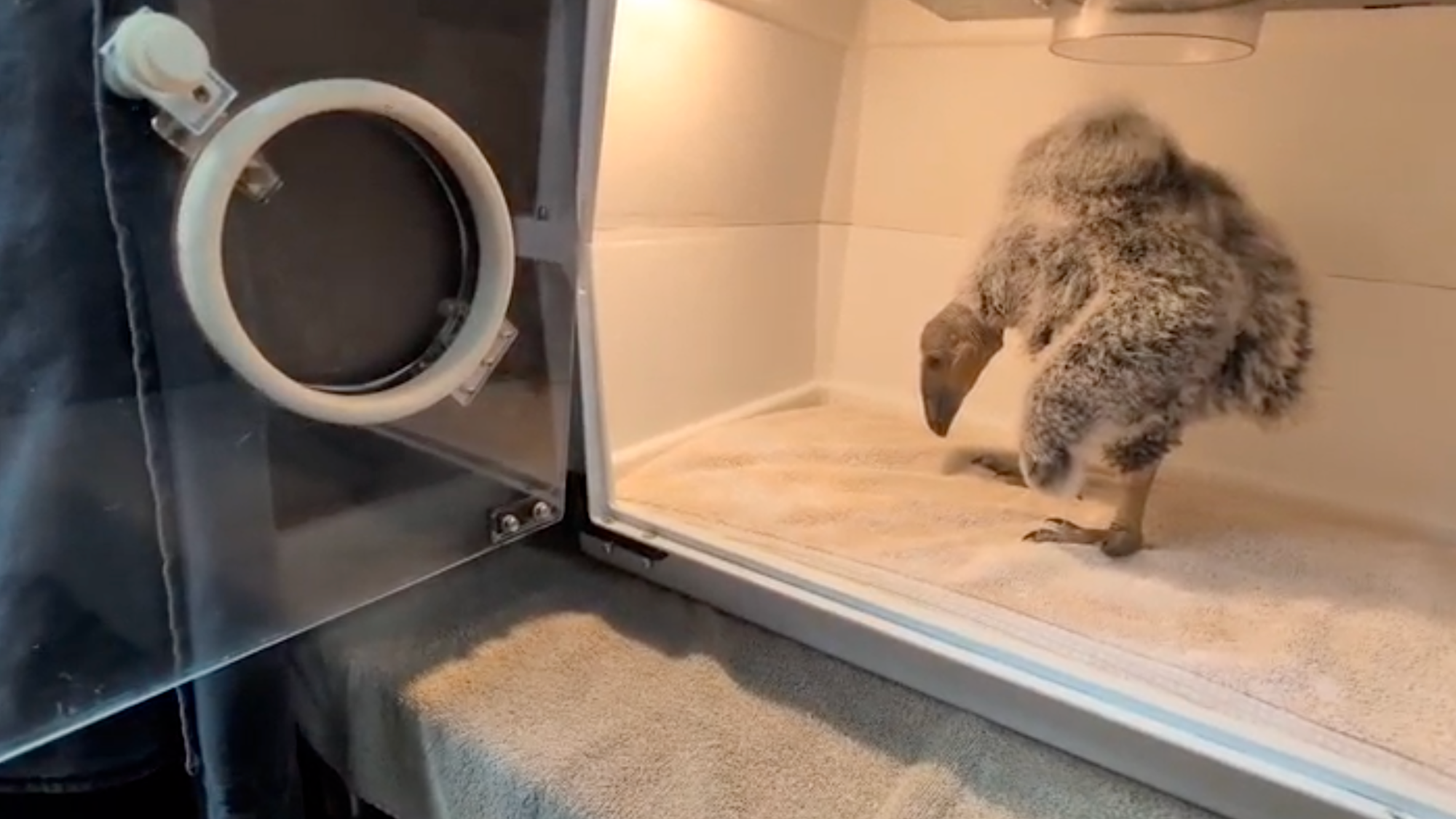
Wild condor parents usually make a great parenting team. But when one female California condor (Gymnogyps californianus) in Pinnacles National Park in Central California found herself in the role of a single mother, park biologists stepped in to help. The condor mother wasn’t able to provide sufficient care and food for her chick while on her own. Field biologists realized that when hunting for food, she returned to the nest less frequently. The chick needed more nutrition to grow and develop appropriately. “Based on her behavior, she had largely abandoned the nest, and the chick was unlikely to survive without intervention,” a spokesperson for the San Diego Zoo Wildlife Alliance tells Popular Science. Pinnacles National Park biologists took the chick when it was around one month old and sent him to the San Diego Zoo Safari Park’s California condor breeding facility. There, he’s receiving care in a specialized puppet-rearing program. “The puppet-rearing program is a specialized care method used to raise young California condor chicks without allowing them to see or bond with human caretakers,” says the spokesperson. “Wildlife care specialists use hand-crafted puppets that resemble adult California condors and completely cover the caretaker’s hands and arms. Caretakers use the puppet’s beak to deliver food directly to the chick, mimicking the way an adult condor parent would feed its young in the nest.” The chick was named Cayic (pronounced Chai-eech), meaning “strong” in the Mutsun language of the Indigenous people of California’s Central Coast. Thankfully, Cayic is demonstrating normal growth and development, and experts plan on returning him to the wild next fall.California condors are still considered critically endangered, after nearly going extinct. As for the chic

SourcePopular Science
Keep track of your wallet with this $49.99 four-pack of SmartCardsSource linked
Science

Keep track of your wallet with this $49.99 four-pack of SmartCards

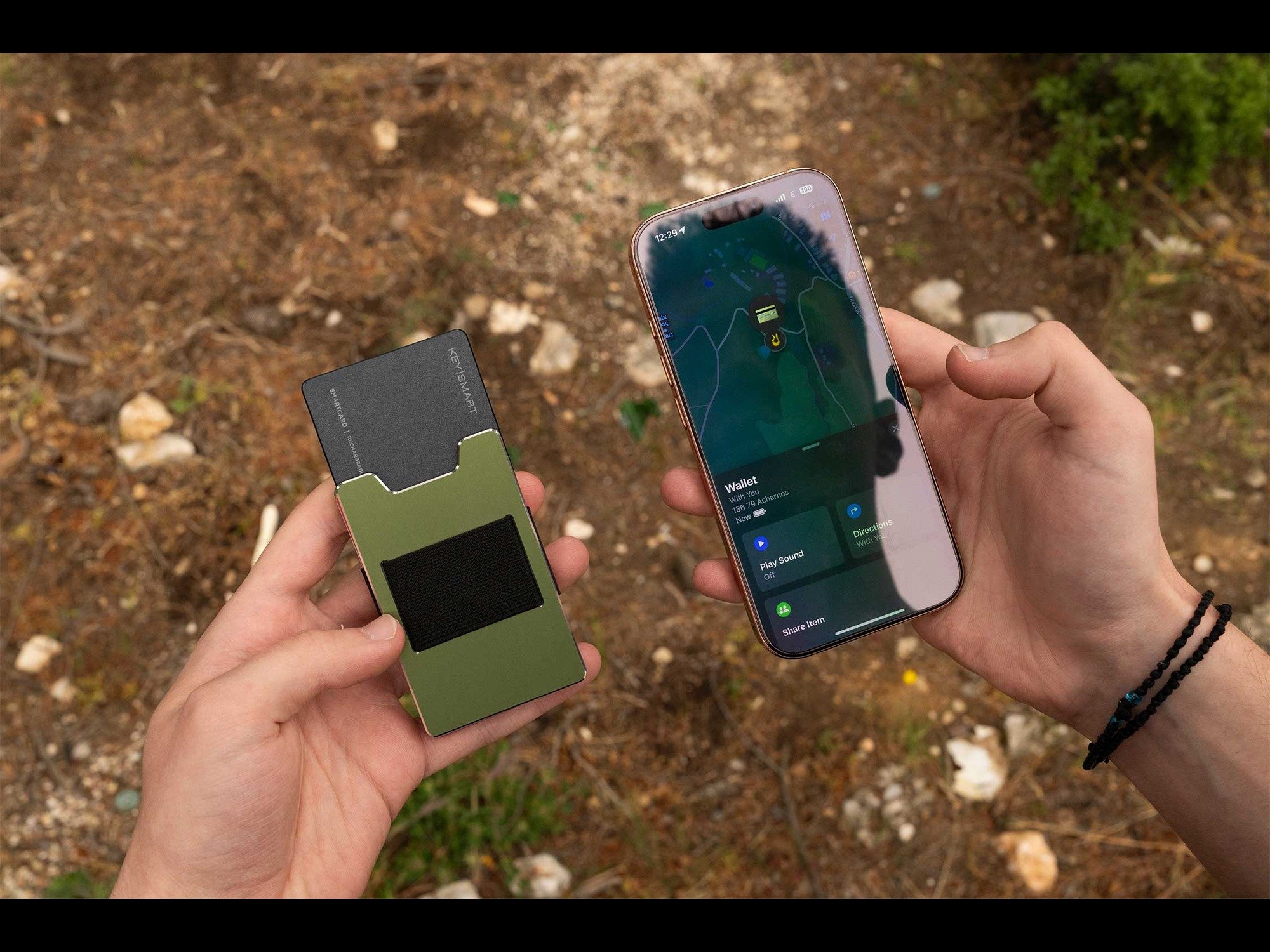
TL;DR: Get four KeySmart SmartCard Lites for $49.99 (reg. $71.96). Losing your wallet is one thing, but losing your ID or work badge can create a slew of different problems. The KeySmart SmartCard Lite gives you a way to track those essentials with Apple’s Find My app, and a four-pack is now $49.99 (reg. $71.96). A tiny tracker with a long battery life Once you pair a SmartCard with Find My, you can see its location on a map or play a sound to help find it nearby. Leave your wallet behind, and the card can send an alert to your iPhone, CarPlay, or AirPods. Lost Mode can also display your contact information to someone who finds the card. The SmartCard Lite is less than 2mm thick, so it takes up less space than two credit cards, making it easy to slide into a wallet without making things look bulky or feel uncomfortable. Its built-in lanyard slot also gives you the option to attach one to a work badge. The card doesn’t need regular charging, either. Its non-rechargeable battery lasts up to two years, while an IPX8 waterproof rating means it can withstand up to an hour in 3.3 feet of water. That’s useful insurance against the occasional spilled drink or accidental dunk in the water. The four-pack also gives you some flexibility in how you use the trackers. Keep one in your wallet, attach another to an ID badge, and use the others for items you usually take on the go. For Apple users who already rely on Find My, it adds another type of everyday item to the same tracking system. Get the four-pack of KeySmart SmartCard Lites for $49.99 (reg. $71.96) and add Apple Find My tracking to the things you don’t want to lose. StackSocial prices subject to change. _ Stack Commerce Keysmart SmartCard (Gen 2 Lite/2-Year Battery/4-Pack) See Deal The post Keep track of your wallet with th

SourcePopular Science
Yosemite National Park highlights Indigenous arrowhead craftingSource linked
Science

Yosemite National Park highlights Indigenous arrowhead crafting

There is a simple reason why Indigenous arrowhead crafting has remained largely the same for thousands of years—if something works, it works. The earliest examples of these lethal tools date back around 74,000 years ago to Stone Age Ethiopia, but the skill is still practiced today by trained artisans around the world. Yet, the process isn’t only a matter of breaking rocks into sharp-edged projectiles.. As Yosemite National Park officials recently highlighted, there is more to this very specific technique called knapping. Proper knapping largely hinges on choosing the correct stones. These usually include chert, flint, and most notably obsidian due to their surgically sharp fracture lines. Artisans then slowly and purposely break off flakes of rocks to shape them into not only aerodynamic arrowheads, but knives, scrapers, and spear points. Knapping requires carefully breaking off flakes of stone to hone the shape and angles. Credit: Yosemite National Park ANNA CIRIMELE Interestingly, obsidian isn’t native to the Yosemite, yet the region’s Indigenous communities have prized the material for generations. The volcanic glass was introduced into the area via ancient trade routes that crossed over the Eastern Sierra’s Mono Lake in present-day eastern California near the Nevada border. Tribes separated by hundreds of miles relied on these and similar exchange networks to swap tool materials for animal skins, medicinal plants, as well as nutritious pine nuts and acorns. Yosemite’s earliest Indigenous communities initially knapped obsidian into larger points for spears and spear throwers known as atlatls. As hunting technology evolved over hundreds of years towards a reliance on bows and arrows, the obsidian points shrank in size to make them more aerodynamic. The national park c

SourcePopular Science
How to craft pocket notebooks for penniesSource linked
Science

How to craft pocket notebooks for pennies

E-ink tablets are much easier on the eyes and often even allow users to write on them using a stylus, but the bells and whistles frequently come with a steep price tag. Luddites on a budget still frequently opt instead for a classic pocket paper notebook,but even then, the portable thought journals frequently feel unnecessarily expensive. A pack of three miniature Moleskine journals currently costs $13, leaving many aspiring writers to jot down their ideas on scraps of paper and coffee shop receipts. But just because fancy notebooks cost a lot of money doesn’t mean they’re inherently pricey to manufacture. There isn’t even a lot of technique required to craft your own backpocket diary. As YouTube creator Perry Daniels recently highlighted, some decent paper, scissors, twine, and a needle are all you need to make your own small notebook. The most basic versions literally cost a dollar or two to make, but you’re welcome to gussy them up with fancier cover card stock, rounded edges, and other little flourishes. Staples will work in a pinch to bind the spine, although Daniels recommends spending the extra time stitching the seam. This allows your notebook to crease closed more easily, and it also simply looks a lot more professional and intentional. Anyone who carries a pocket notebook daily knows that they often aren’t long for this world. The casual wear-and-tear often reduces them to shreds faster than you can fill them, and every regular user has left at least one on a cafe table. So, the next time the inevitable happens, take a moment to consider assembling a cool replacement yourself before shelling out the cash. The post How to craft pocket notebooks for pennies appeared first on Popular Science.
SourcePopular Science
Humans experimented with mind-altering drugs 25,000 years agoSource linked
Science

Humans experimented with mind-altering drugs 25,000 years ago

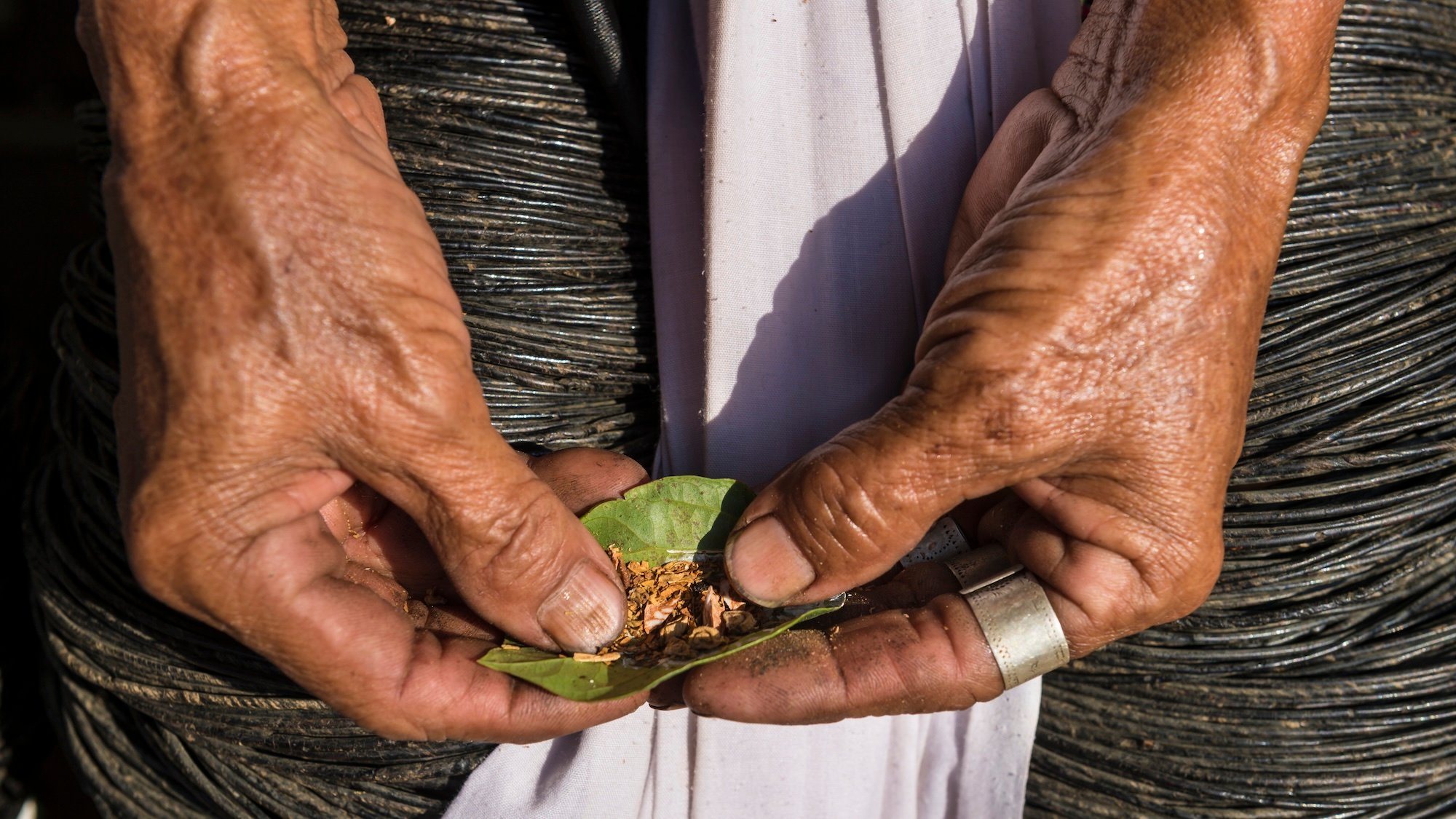
We humans love our mind-altering substances. Cultures around the world have discovered, ritualized, and simply experimented with alcoholic drinks and ingestible drugs for millennia. However, recent archaeological evidence indicates humanity possibly began utilizing psychoactive plants much earlier than previously believed. Based on findings published in the journal Science Advances, some communities in present-day Indonesia enjoyed the effects of betel nuts as long as 25,000 years ago. This pushes the timeline over 23,000 years back from documented Neolithic and Bronze Age uses circa 1,500 BCE. The areca nut (Areca catechu), better known as the betel nut, isn’t widely known in the United States, but it’s one of the world’s most popular intoxicants. Most frequently seen across southeast Asia cultures, its global usage only trails behind alcohol, caffeine, and nicotine. Betel nuts are prepared by grinding and processing the plant seeds with slaked lime (calcium hydroxide). This fine powder is often combined with additional ingredients such as flavoring spices or tobacco to make a “quid,” that is then chewed as a stimulant. There are millions of betel users today, with some estimates putting the global total at 1-in-10 people. Many researchers contend that most human intoxicant use began with fermented alcoholic drinks, amid the rise of farming during the Neolithic era about 13,000 years ago. Adam Brumm, one of the study’s co-author and an archaeologist at Australia’s Griffith University, believes otherwise. “This theory fails to account for the possibility that very ancient drug-taking lies at the roots of our most commonly used psychoactive substances,” he explained in a university profile. Brumm and his team cite evidence gathered from the extremely rare skeletal remain

SourcePopular Science
How the lowly egg could help protect future spacecraftSource linked
Science

How the lowly egg could help protect future spacecraft

The humble egg is often a symbol of fragility, but there is strength in numbers. According to, egg-based geometry may be sturdy enough to protect future generations of astronauts from the ever-growing threat of space debris. Around one million pieces of junk larger than one centimeter currently orbit the Earth, thanks to decades of space travel, rocket launches, and satellite deployments. Each tiny trash bit travels at roughly 17,400 miles per hour, making them immensely dangerous for ongoing missions and exploration efforts. International agencies are now monitoring the existing space trash, while researchers test methods to clean up the problem. However,there is still a growing need to protect both people and property above everyone’s heads. And that’s where eggs come into play. “A single eggshell breaks easily under local force, but the protection mechanism of the eggshell array is completely different,” Yuxin Wang, an engineer at Dalian University of Technology, explained in a statement. As Wang and his colleagues demonstrate in a study published today in the Journal of Applied Physics, aluminum eggshell shaped designs arrayed together cooperatively deform in a way that distributes energy across a larger structure, making the overall surface a promising addition in reinforced shielding. These are even stronger when each “egg” in Wang’s prototypes were filled with water. Good ol’ H2O then dampened impact shock waves through the eggs. A 3D image of the water-filled aluminum eggshell array metastructure shows the eggshell pattern on an aluminum plate. The second aluminum plate—which goes on top of the eggs—is excluded from the image to help visualize the geometry. Credit: Wang et al. Engineers tested both 3D printed designs and ran computer simulations for standard alu

SourcePopular Science
‘Birds Supporting Birds’ connects the Philadelphia Eagles with migrating seabirdsSource linked
Science

‘Birds Supporting Birds’ connects the Philadelphia Eagles with migrating seabirds

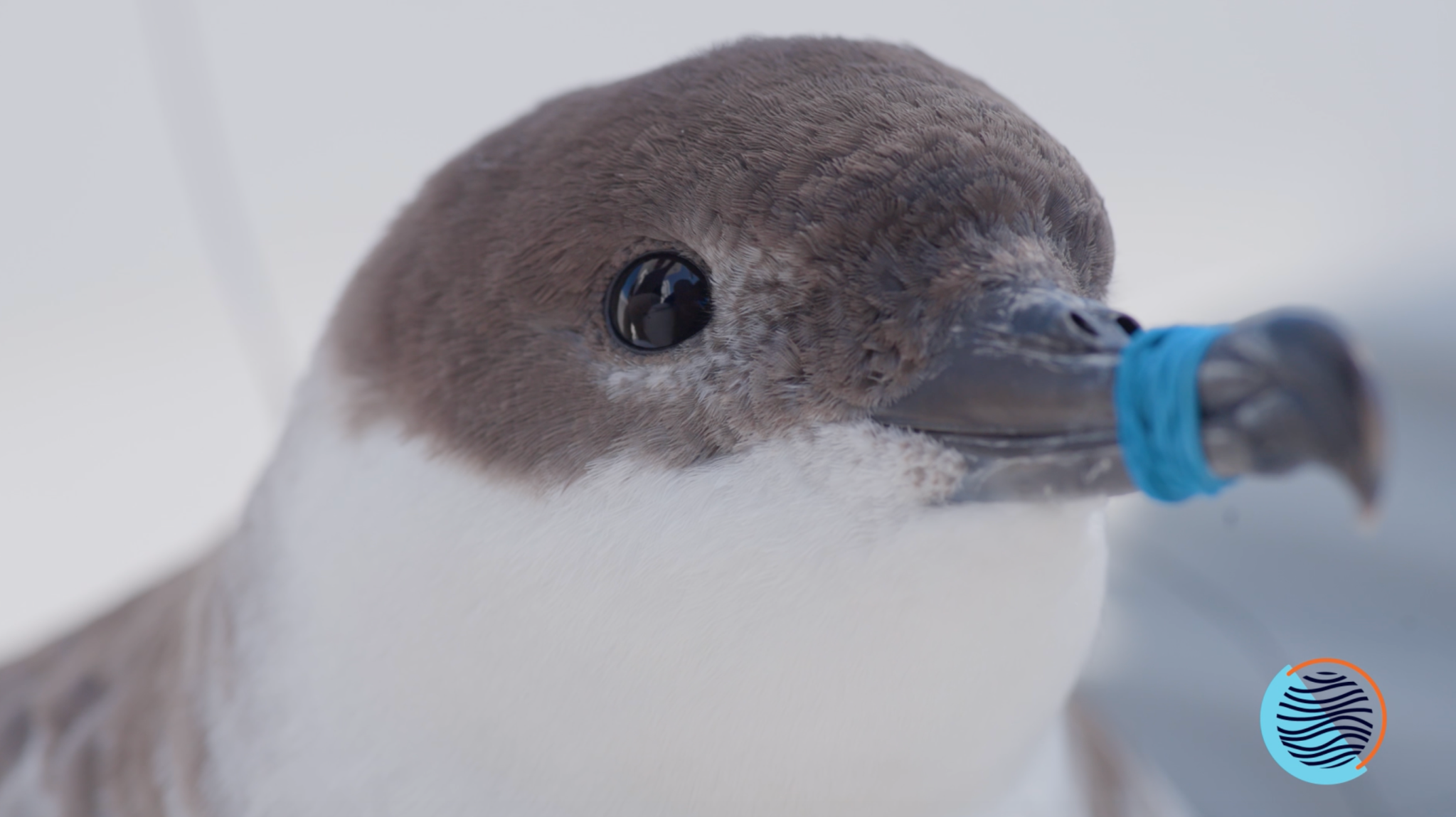
As the 2026-2027 NFL season kicks off, the Philadelphia Eagles are giving new meaning to their signature “Fly, Eagles, Fly” fight song. The football team is partnering with the National Marine Sanctuary Foundation for Birds Supporting Birds, an initiative to support seabirds off the coast of Massachusetts (and in New England Patriots’ territory) this fall. The team is supporting NOAA’s Stellwagen Bank National Marine Sanctuary Shearwater Tagging Project, an ongoing initiative dedicated to studying the great shearwater (Ardenna gravis) and their migration. Great shearwaters are large, white-and-grey seabirds known for their epic journeys. They travel thousands of miles every year from their remote South Atlantic breeding grounds up to the cooler North Atlantic waters during the nonbreeding season. According to the National Marine Sanctuary Foundation, they fly the equivalent of over 200,000 football fields across the Atlantic Ocean every single year. Birds Supporting Birds will help support researchers in Stellwagen Bank, an 842-square-mile marine sanctuary east of Boston, to tag great shearwaters and track their migratory routes across the Atlantic. “The Eagles are directly funding researchers to attach lightweight, solar-powered satellite transmitters to great shearwaters,” Joel R. Johnson, President and CEO of the National Marine Sanctuary Foundation, tells Popular Science. “These tags track the birds’ migration patterns around the Eastern Seaboard and down to the Southern Atlantic Ocean in real time.” Lovingly known as “The Birds” by their incredibly devoted fanbase, the football team is leveraging their platform to bring attention to ocean conservation and highlight environmental stewardship. A major 2015 study found that the Gulf of Maine is warming faster than 99

SourcePopular Science
The Marantz MCR 60n streaming amplifier invites you to experience more, sacrifice space lessSource linked
Science

The Marantz MCR 60n streaming amplifier invites you to experience more, sacrifice space less

Earlier this year, we were fortunate enough to visit Shirakawa Audio Works, where Denon and Marantz assemble components tuned to be masterfully musical. We also spent time at the brands’ shared Tokyo headquarters, where we previewed various audio gear, much of which has already been revealed. However, one item in particular caught our attention, and it was still under wraps … until now. The Marantz MCR 60n network audio player (shown above) stood out by being able to fit in. In a room full of full-size receivers, this streaming amplifier’s 11W x 11.9D x 4.4H footprint drew our attention because it’s tailor-made for those of us with a listening station that doubles as a living space. Even more impressive is how much connectivity it offers in place of a crowded stack of components. Marantz See It For starters, there’s a front-loading CD player. Because physical media is making a comeback, or so I’m told. With that in mind, there’s also an integrated MM phono stage for vinyl fans. Got another source? There’s one analog and one digital optical in. You can play MP3 / WMA / AAC / DSD / WAV / FLAC / AIFF / ALAC off a rear-facing USB-A. There’s also an HDMI eARC port with Dolby Digital / Dolby Digital Plus decoding if a TV is in the mix. For those streaming, there’s even more potential. Once on your WiFi (or Ethernet), the 60n acts as an endpoint for the native Denon/Marantz HEOS multiroom streaming system, naturally, supporting PCM up to 384kHz/32-bit, DSD up to 11.2MHz. And it supports Spotify Connect/TIDAL Connect/Qobuz Connect, as well as Deezer, Amazon Prime Music, and Pandora. For anything else with an iPhone, there’s AirPlay 2. Plus, it’s Roon Ready for those digital audio file obsessives. An FM/AM tuner … the original streaming … is also included. There’s even Bluetooth

SourcePopular Science
‘Squid butt’ fossil belongs to one of the ‘chunkiest’ cephalopods ever discoveredSource linked
Science

‘Squid butt’ fossil belongs to one of the ‘chunkiest’ cephalopods ever discovered

Thanks to having the “chunkiest squid butt” ever seen on an ancient cephalopod, paleontologists have discovered a 160-million-year-old octopus cousin. The newly identified fossils are described by an international research team in their study recently published in Papers in Palaeontology, which also includes a potential explanation for Wyoteuthis linsterorum’s hefty proportions. Just like today’s tentacled ocean dwellers, the Mesozoic squid ancestor likely had no problem devouring its relatives—or even members of its own species. W. linsterorum is a belemnite, a group of prehistoric cephalopods who left behind some of paleontology’s most common fossils. Examples of their bullet-shaped structures known as a rostrum have regularly shown up at dig sites around the world for over 200 years. This includes the Sundance Formation in present-day Wyoming, which was covered by an inland sea millions of years ago. Most of Wyoming’s belemnites are comparatively tiny—usually about two-to-four inches long and less than one inch wide. But about 30 years ago, Wyoming Dinosaur Center founder Burkhard Pohl found a fossil that “stuck out like a sore thumb,” according to study co-author Bill Wahl. While the preserved belemnite rostrum was about as long as other examples, it measured about 2.4 inches wide. Based on what they knew of belemnite proportions, paleontologists estimated this specimen’s entire body probably reached nearly two feet long. The two ‘W. linsterorum’ fossils were discovered over 30 years apart. Credit: Jessica Lippincott Without any comparable examples, the thick squid butt remained in storage for nearly three decades. In 2019, fossil collector Cliff Linster finally discovered a similar cephalopod near Ten Sleep, Wyoming. He soon donated it to the Wyoming Dinosaur Cente

SourcePopular Science
NASA’s Swift Observatory resumed science observations, at least for nowSource linked
Science

NASA’s Swift Observatory resumed science observations, at least for now

NASA’s Neil Gehrels Swift Observatory is back to business after months flying in a stripped-down mode while it waited for a rescue mission that ultimately failed. On August 26, the agency switched Swift’s Ultraviolet/Optical Telescope and X-ray Telescope back on. A third instrument, the Burst Alert Telescope (BAT), remains offline while a team works to return it to data collection in the coming weeks. Earlier this month, Link, the Katalyst Space spacecraft that was originally set to rescue Swift conducted in-space tests and maneuvers to test its capabilities for future, and hopefully successful, missions. “Katalyst continues to demonstrate as many of LINK’s capabilities in space as possible, to collect data to inform future spacecraft servicing technology and operations,” per a statement from NASA on September 4. It also snapped a few photos of Swift from about 9 miles away. “We got so close, but so far,” Katalyst’s CEOGhonhee Lee told the Associated Press. LINK fires all three of its xenon-fueled thrusters simultaneously in this image captured by the spacecraft on August 30, 2026. Image: Katalyst Space. The shutdowns, put in place in February, were part of an effort to give Swift more time. The observatory has studied powerful explosions called gamma-ray bursts since 2004. Unlike other low-orbit satellites, Swift does not have a propulsion system that can counteract the pull of the Earth orbit. At the same time, increased solar activity has caused the Earth’s upper atmosphere to expand, increasing the atmospheric drag on Swift faster than anticipated. That force would eventually cause the satellite to fall into the Earth’s atmosphere and burn up. So, in 2025, NASA enlisted Katalyst Space to build Link to capture Swift and lift it into higher orbit. However, those plans

SourcePopular Science
National Park Service’s WWII series highlights Washington State nature reserveSource linked
Science

National Park Service’s WWII series highlights Washington State nature reserve

As the National Park Service (NPS) continues highlighting the many roles of its parks during World War II, the western most landmass in the contiguous United States is getting its due: Olympic National Park. First designated a monument by President Teddy Roosevelt in 1909 before President Franklin D. Roosevelt’s reclassification as a park in 1938, the 922,650 acre protected region in Washington State is also recognized by UNESCO as an International Biosphere Reserve. Olympic National Park includes temperate forests, stretches of Pacific coastline, as well as subalpine forests and meadows. Thanks to its location on an isolated peninsula, it’s also home to many endemic plant and animal species including the Olympic marmot (Marmota olympus) and Piper’s bellflower (Campanula piperi). The national park received a lot of attention during WWII for very different reasons, however. Its history is laid out in a recent social media post by Pearl Harbor National Memorial due to an ongoing search-and-rescue operation in the park. Because the peninsula extends further west than any other landmass in the contiguous United States, military and government officials considered it one of the most strategic—and vulnerable—places in the nation. The nearby Strait of Juan de Fuca funneled all traffic to-and-from vital ports in Seattle and Tacoma, as well as the naval base in Bremerton. Two of the outposts are still accessible by trail today. Credit: NPS U.S. Army and Coast Guard engineers began installing 13 Aircraft Warning Service (AWS) stations throughout Olympic National Park in 1942, many from converted fire lookouts. Park rangers even staffed some of the stations, and continuously monitored the skies for potential aerial bombardments. The installations remained operational throughout th

SourcePopular Science
Cannibalism returned to the menu multiple times in Neolithic EuropeSource linked
Science

Cannibalism returned to the menu multiple times in Neolithic Europe

Cannibalism is understandably frowned upon today,but humans haven’t always been so adverse to the idea of eating our own. Across Europe, multiple archaeological sites indicate at least some Neolithic communities routinely consumed unlucky victims as far back as 5000 BCE. But inside three caves in present-day Spain, ancient skeletal remains vividly illustrate that prehistoric groups never adopted a “one-size-fits-all” approach to their cannibalism. As researchers explained in a study recently published in the Journal of Archaeological Science, a range of methods and motivations for cannibalism existed among Neolithic peoples prior to the Bronze Age. “For decades, prehistoric cannibalism has tended to be interpreted as a single type of behavior,” Antonio Rodríguez-Hidalgo, a study co-author and archaeologist at the Institute of Archaeology of Mérida, explained in a statement. “Our work shows that it is not possible to speak of a single form of ‘Neolithic cannibalism’, because similar archaeological evidence may conceal very different social realities.” At least two Neolithic human skulls were fashioned into cups at Carigüela cave in Granada. Credit: Antonio Rodríguez-Hidalgo / IAM-CSIC Antonio Rodríguez-Hidalgo The latest evidence originated inside Malalmuerzo, Carigüela, and Majolicas,a trio of caves located in the Grenada region of southern Spain. Archaeologists first discovered the Neolithic gathering spots over 50 years ago, and the caverns have since become famous examples of prehistoric cannibalism. Rodríguez-Hidalgo’s team re-examined almost 1,000 bones excavated from the caves, then combined their observations with statistical analysis and machine learning programs to classify the various types of damage exhibited on every fragment. These markings included fractur

SourcePopular Science
Why September 9 is the most common birthdaySource linked
Science

Why September 9 is the most common birthday

If it feels like you are wishing people a happy birthday more often than usual once September begins, it is not in your head. September is the most common birth month of the whole year, and one day stands above them all—September 9. In 2016, statistics organization FiveThirtyEight and data journalist Matt Styles analyzed data on the average number of births per year from 1994 to 2014. In that 10-year-period, September tops the with nine out of the 10 most common birthdays falling on September. Based on this analysis, the ninth day of the ninth month is the most popular birthday. The reasons behind this surge of September babies are likely couples spending more time indoors during the colder months of the year and holiday season. Some people tend to work less as the holidays approach, so there is more time to party-hop, drink a few more cocktails than usual, and the rest is clear. Pregnancies are supposed to last 38 weeks from conception, so babies born on September 9 would have likely been conceived on December 17. DateAverage Number of Daily BirthsSeptember 9 12,344September 1912,285September 1212,282September 1712,201September 1012,190September 2012,162July 712,147September 1512,126September 1612,114September 1812,112 Source: birthdayrank.com For a September 19 birthday, conception date should technically be December 27. All of those September 22 to 26 babies are generally conceived around New Years Eve and New Years Day. December is also a romantic season in general. According to data collected from the wedding planning website The Knot, December is the most popular month to get engaged globally. Some other hypotheses behind this surge in cold weather conceptions are that the shorter days may affect hormones and that sperm may be less potent in the warmer summer mont

SourcePopular Science
Nearly 500 animals rescued from trafficking arrive at a California aquariumSource linked
Science

Nearly 500 animals rescued from trafficking arrive at a California aquarium

On June 19, the Aquarium of the Pacific took in almost 500 animals in one go. Fish, marine invertebrates, and sharks were all brought into the facility in Long Beach, California, but the aquarium hadn’t just gone on some big marine shopping spree. These animals were rescued from animal trafficking, and were in urgent need of a home. At the aquarium, the staff worked through the night to stabilize and care for them. “Every animal that arrives at the Aquarium, whether through a carefully planned acquisition or a last-minute confiscation, receives the same high standard of care. What can differ is the condition in which those animals arrive,” Johnathan Casey, Aquarium of the Pacific curator of fish and invertebrates, tells Popular Science. Many trafficked animals have been traveling in stressful or poor conditions, so the aquarium’s experts immediately check their physical condition, water quality, and individual needs. They usually know little about an animal’s origin or history, so the team needs to be prepared for anything. The rescued animals are also quarantined to avoid the potential spread of diseases, according to Alyssa Tillman, the assistant curator of fish and invertebrates. Confiscated animals like this clownfish were kept in holding tanks at the Aquarium of the Pacific on Long Beach, California. Image: Josh Barber/Aquarium of the Pacific. Josh Barber The species included brownbanded bamboo sharks (Chiloscyllium punctatum), ocellaris clownfish (Amphiprion ocellaris), and Banggai cardinalfish (Pterapogon kauderni). The IUCN Red List classifies brownbanded bamboo sharks as Near Threatened and Banggai cardinalfish as Endangered. While the arrival of almost 500 animals was a standout event, the Aquarium of the Pacific has received rescued animals from over 30 confi
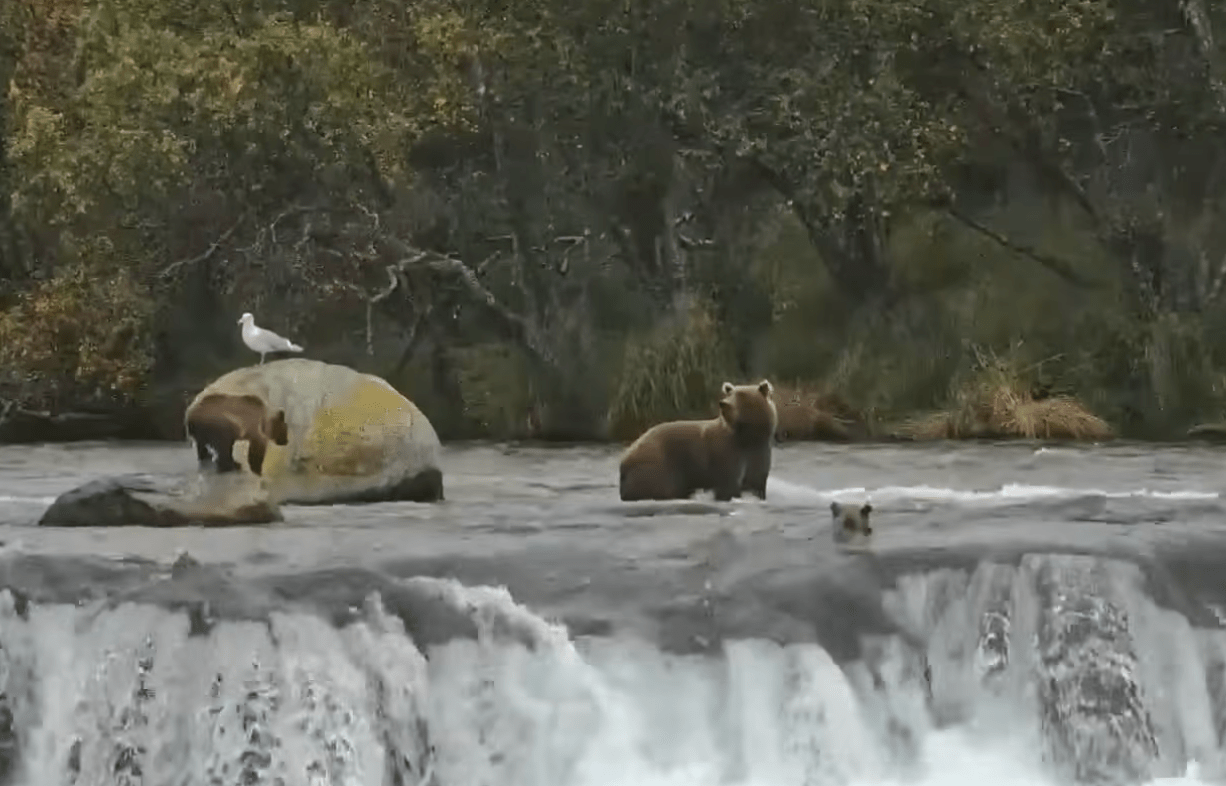
SourcePopular Science
Backwards-walking fish caught on video in the South China SeaSource linked
Science

Backwards-walking fish caught on video in the South China Sea

The deep-sea is filled with weird creatures: goblin sharks (Mitsukurina owstoni), vampire squid (Vampyroteuthis infernalis), and… walking fish? For the first known time, a team of scientists in China filmed a strange, shrimp-like fish walking backward along the seafloor. The fish, Scalicus engyceros, is a species of armored searobin, a group of fish known for weird anatomy. Their bodies are covered in bony plates, while stiff free fin rays stick out of its pectoral rays like tiny legs it can use to “walk.” The new study, published in the journal Ocean-Land-Atmosphere Research, not only provides video evidence of the animal’s sea-floor strolls, but it also marks the first time backwards locomotion has been described in fish. “[Our] study delivers a paradigm-shifting revelation: the deep-sea fish Scalicus engyceros, a representative of fishes characterized by highly specialized free pectoral-fin rays, is among the few fish species known to walk,” said Han Tian, a postdoctoral researcher at Sun Yat-sen University in Guangzhou, in a statement. The video was taken from a deep-sea diving vehicle in the northern South China Sea that also helped the researchers observe the fish’s other unique traits. It has outward-extending barbels that resemble a farmer’s rake. While the barbel makes it awkward for the fish to walk, it provides “an advantage in probing, digging, or hunting for food buried in the sediment,” according to the team. Like other deep-sea creatures, Scalicus engyceros also has large eyes. The researchers note that the fish did not seem to react to the approaching vehicle, but it did appear to react to its light beam before swimming away. This suggests its eyes have at least some sensitivity to light, perhaps pointing to the fish not having lived in this habitat for

SourcePopular Science
How ‘cornflakes’ can help decode ancient writingSource linked
Science

How ‘cornflakes’ can help decode ancient writing

They’re called cornflakes. These overlooked scraps of papyri (texts written on paper made from the papyrus plant) carry partial snapshots of ancient worlds. For archeologists, cornflakes deserve care and attention as much as their complete cousins do—and that’s exactly what took place this summer, at the University of Michigan’s (U-M) Papyrus Conservation Summer Seminar. An international group of nine researchers acquired and practiced the latest papyrus preservation techniques on papyrus fragments held at the University of Michigan in Ann Arbor. Close up of papyrus, Homer, Iliad, Book XVIII. Image: Jeremy Marble, University of Michigan News “Most of them [the researchers] came to Ann Arbor with zero papyrus experience, but the group ended up conserving more than 150 big and small papyri in just two weeks,” Giuliano Sidro, curator of the U-M papyrology collection, said in a statement. The university’s papyrology collection is the largest collection of ancient papyri in the Western Hemisphere. texts and documents dating back to sometime around 1000 BCE to 1000 CE, including personal letters, school primers, and sales contracts are all preserved within its walls. One of the researchers worked on a fragment of a copy of “Against Ctesiphon,” a famous speech from an Athenian orator Aeschines delivered in 330 BCE. Another researcher connected a U-M cornflake to one from his home collection in Milan. The seminar was led by Marieka Kaye, director of preservation services for physical collections at the U-M Library. According to the team, Kaye and Sidro’s collaboration at U-M is a unique dynamic. Usually, conservators and papyrologists work sequentially and independently, not together. The conservator restores and preserves the papyri, and then the papyrologist studies the piece

SourcePopular Science
Happy Birth-ray! Mystic the cownose ray turns 27Source linked
Science

Happy Birth-ray! Mystic the cownose ray turns 27

The New England Aquarium has cause to celebrate. Their cownose ray (Rhinoptera bonasus) Mystic officially turned 27-years-old. The birthday girl’s milestone is even more exceptional in light of the fact that cownose rays in the ocean typically live around 18 to 20 years. “With excellent care, these animals can live even longer. We aren’t sure what the upper age limit for this species is, but Mystic could be considered one of the oldest individuals in public aquariums,” Rachel Moote, manager of husbandry at the New England Aquarium, tells Popular Science. “Our dedicated veterinary and aquarist staff work to keep Mystic in excellent health. She is monitored regularly by our teams and receives hands-on exams whenever a closer look is required.” Mystic swimming by her birthday sign. Image: New England Aquarium. Cownose rays are migratory, open-ocean animals related to other rays. Their unique name comes from their snout, which looks a bit like a cow’s nose, and their wingspan can be up to three feet long. Cownose rays have a venomous spine behind their dorsal fins, but the species is shy. In fact, a majority of ray-caused injuries in humans occur when humans unintentionally step on their spines. They are found along the east coast of the United States, and are classified as Vulnerable by the IUCN Red List. Mystic has lived at the aquarium for almost two decades. Following a long career in the Giant Ocean Tank, she’s currently taking a “much-deserved retirement,” at the aquarium’s Quincy Animal Care Center. Her care team in Quincy includes aquarists, volunteers, and interns. She is hand-fed a diverse diet of fish, clams, and shellfish similar to what her diet in the wild would be, and also takes vitamin supplements. For her birthday, she received a fish and shrimp cake. Myst
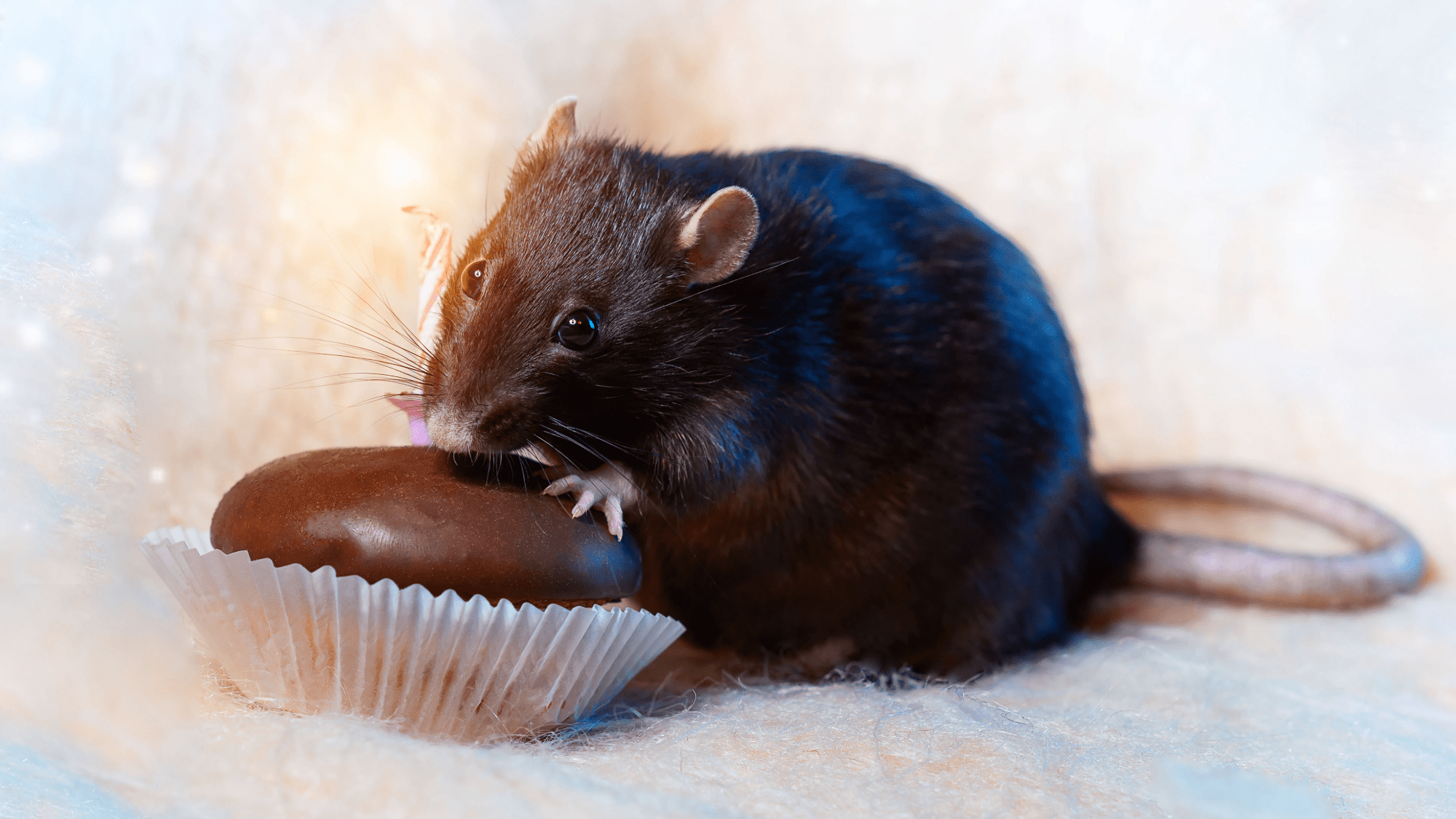
SourcePopular Science
How gross is biting your fingernails?Source linked
Science

How gross is biting your fingernails?

Between 20 and 30 percent of Americans bite their nails, according to The Cleveland Clinic. Why? Among other reasons, nail biting “often has a self-soothing quality—in fact, it provides a sense of calm—so people may use it as a coping mechanism.” It’s also common to bite nails while bored or stressed. Whatever the reason, you may be wondering if biting your nails is scientifically gross, so let’s explore its health impacts. (Short answer: 1000xYes, it’s gross.) Turns out your hands are dirty You know how you’re supposed to wash your hands before eating? There’s a reason for that: hands are filthy, mostly because they’re always touching everything. Biting your fingernails is worse than eating without washing your hands—you’re sticking your fingers directly into your mouth. And fingernails themselves are uniquely gross. A widely cited 1988 study in the Journal of Clinical Microbiology by researchers from the University of Pennsylvania and Johns Hopkins University found that under the fingernails is the region of the hand with the most bacteria, by a long shot. “The subungual spaces had an average log10 CFU of 5.39, compared with a range from 2.55 to 3.53 for other hand sites.” Those numbers might not sound that different, but we’re talking about a logarithmic scale of 10, where 5.39 is 10 to the power of 5.39, which works out to around 245,000. And 2.55 works out to about 355, which is far smaller. So, mathematically, it’s pretty nasty under your fingernails. Research also suggests that biting your nails means more bacteria in your mouth. A widely cited 2007 study published in Oral Microbiology and Immunology by researchers at Atatürk University in Turkey tested the saliva of 25 nail biters and 34 non-nail biters. 76 percent of nail biters tested had some kind of Enteroba

SourcePopular Science
Australia’s humpback whales were acting weird. What happened next surprised scientists.Source linked
Science

Australia’s humpback whales were acting weird. What happened next surprised scientists.

In 2009, tourism operators in Australia spotted more and more humpback whales (Megaptera novaeangliae) “fluking,” when a whale floats upside down, holding its tail above the water. Confused by the behavior, they reached out to scientists for help, triggering a research effort that solved one of the biggest mysteries about humpback whales on the Great Barrier Reef. The Whitsundays, where the fluking was taking place, is a region with dozens of islands between the Great Barrier Reef and Australia’s north-eastern coast. “It was an unusual behaviour they had never seen before. Not even the whale scientists knew what it meant at the time,” Crystal Lacey, Master Reef Guides program manager, said in a statement. “So that uncertainty sparked a major research effort, which combined citizen science through the tourism operators’ observations, and scientific research. It was one of the region’s largest citizen science efforts.” The efforts included tourism operators counting whales and calves, and scientists mapping the seafloor, monitoring water temperatures, tracking whales by satellite, and surveying the region from the air. The joint mission found that the Whitsundays is one of the Great Barrier Reef’s most important humpback whale calving areas. In other words, they’d revealed a previously unknown whale maternity ward. “The fluking the operators observed was actually a breeding behaviour,” explained Lacey. “We discovered the Whitsundays provides the sheltered, warm and shallow waters humpback whales need to give birth and raise newborn calves.” Their results also resolved one of the biggest enigmas associated with humpback whales on the Great Barrier Reef—the question of where they give birth. The findings ultimately led to the creation of the Whitsundays Whale Heritage Area

SourcePopular Science
Japan’s continuing bear problems can’t be solved by culling aloneSource linked
Science

Japan’s continuing bear problems can’t be solved by culling alone

Japan’s bears are still causing problems. The hefty predators continue to stray from mountainous forests in search of food, putting them in direct contact with the nation’s rapidly aging and dwindling population. According to the country’s Environment Ministry, bears have killed six people across the country since April 1, while a record 13 victims died during the previous fiscal year. It’s gotten so bad that Japan called in the armed forces to help, and companies are even running out of their popular robotic wolf deterrents. Culling strategies are reducing bear numbers, with around 14,000 killed during the last fiscal year. But in the central prefecture of Nagano on the main island of Honshū, conservationists are promoting a different approach to keeping both humans and bears safe. Using a combination of sensors, traps, and GPS monitoring, researchers are avoiding unnecessarily killing bears while improving the overall population’s wellbeing at the same time. “By not killing too many of them, more bears survive to live out their expected lifespan. In that sense, a healthy bear population is being formed,” biologist Akiko Takii explained in a recent interview with AFP. Takii is participating in a program with an over 30 year head start. In 1995, local authorities discovered bear numbers suddenly shrinking on Honshū, and slowly enacted new strategies like GPS monitoring and installing over 2,000 miles of fencing. But concerns for the animals have dwindled in recent years, as attacks and deaths continue to mount across Japan. Takii and her supporters argue that simply culling bears is not a practical, ethical, or necessarily long-term solution strategy. Instead, members of Nagano’s Shinshu Asian Black Bear Research Association are using catch-and-release tactics to monito

SourcePopular Science
Amazon’s Labor Day sale has 98 deals worth your time (including the lowest price ever on Sony WH-1000XM5 headphones)Source linked
Science

Amazon’s Labor Day sale has 98 deals worth your time (including the lowest price ever on Sony WH-1000XM5 headphones)

Labor Day is when retailers clear out what didn’t sell over the summer, so the shape of Amazon’s version is predictable: coolers, grills, back-to-school monitors, and a wall of air fryers. The Labor Day sale covers most of the store, and the deals inside it rotate every few days, which means a price that was good last week has often gone back up without the sale badge coming off. I ran Amazon’s own 12-month price chart on everything in the cards below and cut several products that turned out to be wearing a red sale badge over a price they hadn’t moved off in a month. Sony WH-1000XM5 Noise Canceling Headphones $198.00 (was $278.00) The lowest price Amazon has charged for these in a year Sony See It The Sony WH-1000XM5 at $198 is the best deal in this sale by the only measure I trust, which is where a price sits against its own history. Amazon’s 12-month chart puts these between $230 and $398 for the entire year, and $198 is the lowest point on it. The XM5 is the pair I’d hand someone who flies more than twice a year, with 30 hours of rated battery and cancellation that holds up against jet engine noise. Amazon is the seller of record here, which is worth checking on Sony gear because the third-party listings on this model swing by $80. The drop is only a day old, so confirm the number on the page before you buy. Ninja Flip Toaster Oven and Air Fryer SP151 $149.94 (was $249.99) Back at the floor it only touches a few times a year Ninja See It The Ninja Flip SP151 at $149.94 is the countertop appliance I’d buy out of this sale, because it replaces two others. It’s a toaster oven that flips up against the wall when you’re done with it, which solves the actual problem with toaster ovens. Ninja rates it at 1800 watts and it fits a nine-inch pizza or four slices of bread. The

SourcePopular Science
NASA’s Hubble pops in on a ‘superbubble’Source linked
Science

NASA’s Hubble pops in on a ‘superbubble’

At a spry 36-years-young, the NASA/ESA Hubble Space Telescope just keeps on going. The groundbreaking observatory recently took a new image of a sprawling nebula located in the Large Magellanic Cloud (LMC). The LMC is the largest of the small galaxies that orbit our home Milky Way galaxy, and it’s only 160,000 light-years away. Since it is relatively close by, astronomers can more easily observe star birth hot spots like LHA 120-N44 (or N44). N44 is located in the constellation Dorado. It is dominated by two main features—a large central void and an outer shell made of dense, dusty gas. The central void is considered a “superbubble,” that spans about 210 by 140 light-years across. N44’s superbubble void was created by the powerful stellar winds and explosive supernovae from the glittery stars at the center. The shell surrounding the superbubble is made of all of the gas that was expelled when these stars in the void were born. Once the gas was swept away, it compressed and formed a shell around the superbubble. Now, new stars are forming in this compressed gas shell, making it an interesting target for astronomers. They are using N44 to study how stars form in this type of cosmic environment. “Their goal is to understand how long it takes from the collapse of cold gas clouds into dense knots to the moment nuclear fusion ignites in the heart of a newborn star,” NASA writes. The gas shell surrounding N44’s superbubble has intrigued astronomers for over half a century. It is energized by ultraviolet radiation from massive stars, which makes it glow and highlights several distinct features. In the 1950s, astronomer Karl Henize first catalogued the distinct features within the nebula’s star-forming complex. One feature is a smaller bubble (cataloged as N44F). It is an inters

SourcePopular Science
Bush dog puppies sound like birdsSource linked
Science

Bush dog puppies sound like birds

Five pups were recently born at England’s Chester Zoo, far from their homeland. But these bush dogs (Speothos venaticus) are on a mission—they’re part of a conservation breeding program protecting the future of their species. Bush dogs are medium-sized carnivores from Central and South America, known for their chirpy sounds. The IUCN Red List classifies them as Near Threatened. While that might indicate that they don’t need major conservation efforts as much the way that other wild animals, their last evaluation was only in 2011. View this post on Instagram Mark Brayshaw, head of mammals at Chester Zoo, tells Popular Science that a lot has changed in the past 15 years, “with the impacts of climate change, habitat loss and inter-species disease transfer growing more evident,” he explains. “It’s a sad truth that by the time a species is listed as Endangered or Critically Endangered, they will be facing a genetic bottleneck, which heightens the risk of extinction by making the survivors more susceptible to disease and other threats.” European zoos are now working to make sure that doesn’t happen by caring for a bush dog “insurance population,” which includes the ones at Chester Zoo. Their numbers in the wild are declining, and the breeding program is basically a backup in case the species’ population might need a genetic health boost one day. The zoo’s new born litter only recently emerged from their den, and have started investigating their habitat with their parents and older siblings. “At this stage, they’re just little furry potatoes,” Chester Zoo carnivore keeper Richard Tyson said in a statement. “They toddle around a bit, but mostly they huddle together in a pile.” They will also start eating solid food soon. The bush dogs began to emerge from their den earlier this

SourcePopular Science
Ancient American cheetahs were not exactly cheetah-likeSource linked
Science

Ancient American cheetahs were not exactly cheetah-like

The American cheetah (Miracinonyx trumani) stalked North America’s Pleistocene grasslands for nearly 2.5 million years, but new evidence suggests they likely didn’t resemble their present-day African namesake. After comparing M. trumani DNA to nine other feline species ranging from house cats to lions, it now appears that the ancient predator’s closest relative is an entirely different big cat. What’s more, M. trumani often roamed much farther north than researchers once assumed. “It’s really surprising and exciting to identify another predator present in Beringia,” Molly Cassatt-Johnstone, an evolutionary biologist at the University of California, Santa Cruz (UCSC), said in a statement. Berinigia is the ancient stretch of land that once connected northeastern Asia to northwestern North America. While submerged in the Pacific Ocean today, its exposure during the Pleistocene allowed megafauna like the woolly mammoth and other large animals to migrate between continents. Cassatt-Johnstone and her colleagues presented their findings in a study published today in the journal Current Biology. Their evidence is based on four of the most complete sets of M. trumani DNA found to date. Paleontologists previously discovered one of the specimens in Wyoming, but the other three come from Canada’s Yukon territory. While the latter samples were previously believed to belong to a completely different big cat species, the UCSC team successfully proved that they were actually also American cheetahs. This means M. trumani often lived as much as 20 degrees of latitude farther north than experts thought. M. trumani fossils exhibit long forelimbs, large nasal cavities, and a slender body, which led paleontologists to theorize the predators resembled the present-day cheetah. The presence of

SourcePopular Science
These are the best power settings for your Windows or Mac systemSource linked
Science

These are the best power settings for your Windows or Mac system

Whether you’re on Windows or macOS, a desktop or a laptop, you’ve got options when it comes to how your computer uses power. On laptops, these can help you save battery life; on desktops, you can save energy and reduce your electricity bill. It’s therefore worth familiarizing yourself with the options and what they do, so you can make the most of them. You may have always left the defaults in place and never considered making any changes—but here we’ll set out the settings you’ll see in your operating system. These settings apply to the latest versions of Windows 11 and macOS 27 Golden Gate at the time of writing. If you’re using older or newer software, the screens may differ. Microsoft Windows A typical power settings screen on a desktop Windows PC. David Nield You can find the power options in Windows by opening up Settings from the Start menu, then choosing System > Power (desktop) or System > Power & battery (laptop). At the top, you’ll see Energy recommendations, which should put your system in the most energy-efficient mode—you can use these recommendations as quick shortcuts to the best settings, if you’d like. Then, from the top, we’ve got Power Mode first. This gives you three choices for both battery power and when your system is plugged in or charging (on a desktop you’ll obviously only see the latter). Best Power Efficiency, Balanced, and Best Performance let you choose how Windows balances power demands and system performance, with Balanced as a decent compromise. Next up is Screen, sleep, & hibernate time-outs. You can choose how long Windows waits before these modes kick in, both when your system is plugged in and (if you’re on a laptop) when you’re running on battery. In all three cases, shorter time-outs mean less energy usage. Then there’s Energy Save

SourcePopular Science
Restroom Archive gives public bathrooms their dueSource linked
Science

Restroom Archive gives public bathrooms their due

People generally want to spend as little time as possible in a public restroom. The vulnerability, the crass graffiti, the (lack of) cleanliness, uncomfortable toilet seats—the list of reasons is lengthy. But despite their infamy, public bathrooms remain an absolute societal necessity that deserve much more appreciation. At least, that’s what designer Jake Welch believes. “There is perhaps no space in society which better captures the creativity and impertinence of humans when they know that nobody else is watching,” Welch explains in the description for his ongoing Restroom Archive project. Although he admits the Restroom Archive started as a joke in 2023, he officially launched the site last year. It already features nearly 100 bathrooms, including amenities found in restaurants, gas stations, coffee shops, and various other public spaces in 36 cities across the United States and Europe. Welch isn’t a one-man urinal investigation unit, however. Almost 250 archivists have contributed to the project so far, and anyone is welcome to help document this wide and weird subsection of urban planning. As long as you can provide a 3D scan of a bathroom. While scanning a building’s interior may sound technical, Restroom Archive includes a quick how-to section on the website. The easiest way is to download a LIDAR-based smartphone app called Polycam to digitally map each space, but Welch offers a couple alternative routes, as well. Volunteers then tag the bathroom’s location and provide a brief description of the lavatory itself. “This compact stall has white painted cinder block walls and a speckled tile floor with an open top with a pale yellow door trimmed in a brick red,” reads one entry for a graffiti-covered faculty bathroom in the Fine Arts building at Spain’s University o

SourcePopular Science
One of the rarest dimes in the U.S. sells for $1.25 millionSource linked
Science

One of the rarest dimes in the U.S. sells for $1.25 million

A rare dime that inadvertently launched one of most successful coin collecting careers in history has sold for an astounding $1.25 million. The coveted 1894 S-Dime was auctioned during Stack’s Bowers Galleries “Rarities Night” on September 1, and was this particular coin’s fourth auction appearance. Known as a Barber Dime for its designer, United States Bureau of the Mint Chief Engraver Charles E. Barber, only 24 of the 10-cent pieces were ever manufactured. Of those, just nine are known to still exist, making them exceptionally coveted by collectors. The Barber Dime is also ranked fourth in the widely used 100 Greatest U.S. Coins reference guide. Coincidentally, Stack’s Bowers is named after one of those very collectors. In 1957, a 19-year-old Dave Bowers successfully bid on the same Barber Dime auctioned earlier this month. Bowers made international headlines given his age, and the idea that anyone would pay $4,750 for a dime. He soon leveraged both to help launch his own career in numismatism. Bowers resold the 1894 S-Dime for $6,000 in 1960, before later moving between a handful of other collectors. There are multiple conflicting stories to explain why the 1894 S-Dime is so rare, although they all tie back in one way or another to the Panic of 1893. Within a year of its onset, the economic depression practically eradicated the need to mint any new coinage for months. Some historians allege the dimes are a result of the San Francisco Mint needing to melt $2.40 in leftover silver, while other experts claim the Mint’s superintendent made the coins as gifts for his daughter and a handful of banker friends. Regardless of the true origin story, only nine Barber Dimes are accounted for today. Unlike the current U.S. dime’s design featuring Franklin D. Roosevelt, Barber dim
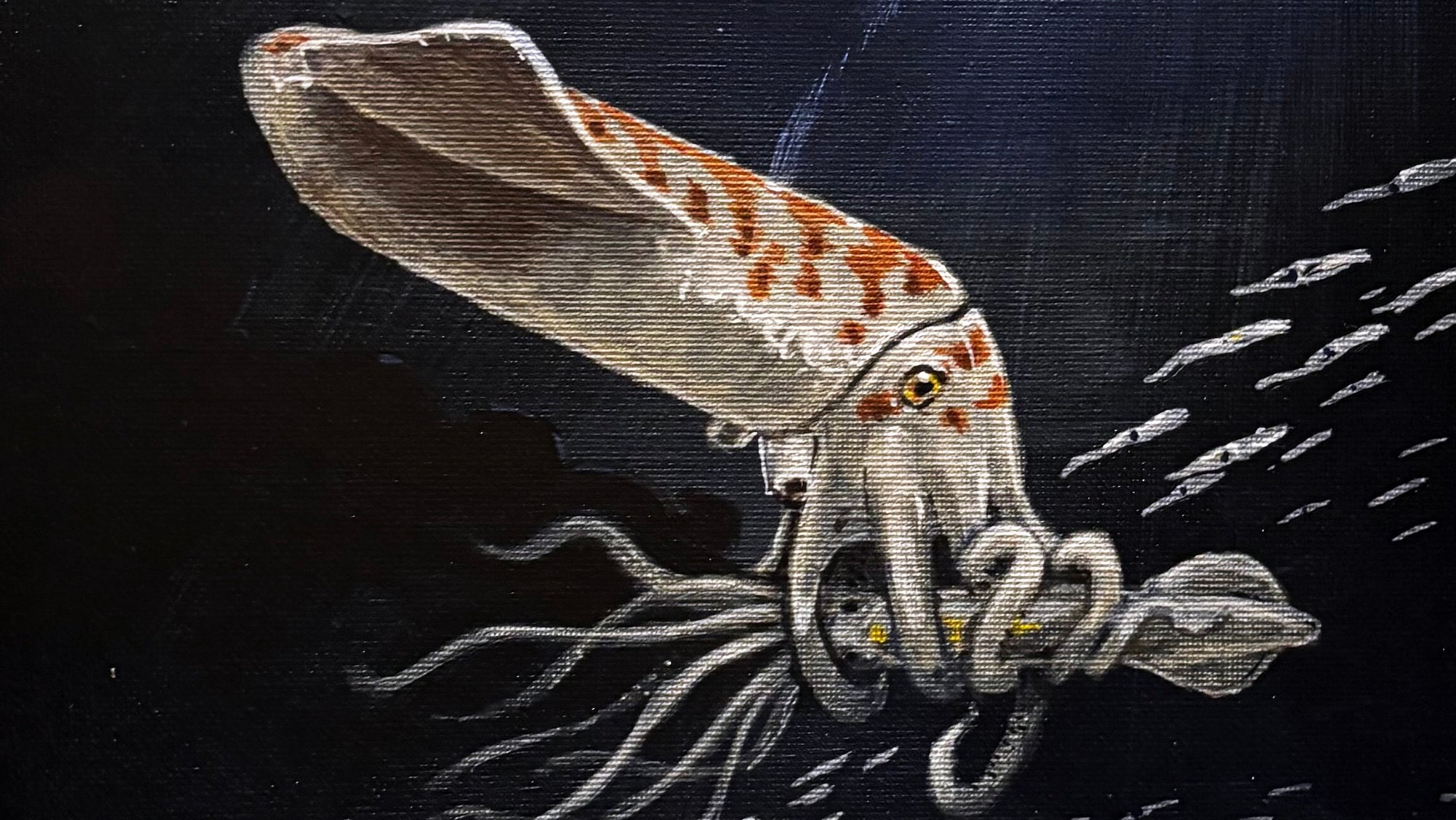
SourcePopular Science
Home-intruding bobcat no match for police droneSource linked
Science

Home-intruding bobcat no match for police drone

What began as a routine police response to a reported break-in turned into a brief standoff between nature and technology. Last week, law enforcement in the city of Kirkland, Washington (just northeast of Seattle) responded to a 911 call from a resident reporting loud banging inside their home. Officers arrived expecting a human intruder, but were instead greeted by a more literal cat burglar: a trapped and confused bobcat. Not wanting to risk a claw to the face, the officers backed out and reassessed the situation. They ultimately decided to deploy a remote-controlled drone into the house, to monitor the feline intruder from a safe distance. Video captured from the drone’s perspective and released on Facebook, shows the frustrated bobcat standing by a staircase, growling and arching its back at the hovering machine. After a brief standoff with the buzzing, metal alien, the bobcat carefully retreated, sidestepping into an adjacent empty room. Police were then able to close their door and keep the bobcat isolated until a team from the Washington Department of Fish and Wildlife arrived. Wildlife officials then sedated the cat, loaded it into a crate, and transported it to nearby Forbes Creek. The feline was then released back into the wild, startled but safe. As for how a bobcat ended up in the house in the first place, Kirkland Police believe the adventurous intruder climbed a tree and jumped through an open window, possibly lured in by the resident’s indoor cat. Both the owner and its likely shocked cat were unharmed, according to the police. Thankfully, curiosity didn’t kill this cat. The Kirkland Police Department did not immediately respond to Popular Science’s request for comment. The aerial deployment was made possible by a public safety drone program the Kirkland



SourcePopular Science
Tweet! Here are the winners of the 2026 Audubon Photography AwardsSource linked
Science

Tweet! Here are the winners of the 2026 Audubon Photography Awards

It’s a bird’s world, and we’re just living in it. Today, the National Audubon Society officially announced the winners of the 2026 Audubon Photography Awards. The contest is now in its 17th year and celebrates stunning photos (and even a few videos) that showcase the beauty of birds and the challenges they face. For the second year, the judges awarded prizes to residents of Chile and Colombia, as well as the United States and Canada, highlighting how avians connect us across geographies and ecosystems. This year’s Grand Prize winners each received $5,000 and a voyage to Antarctica with HX Expeditions—an expedition cruise company and Audubon’s exclusive cruise partner. Take a peek at the winners in the gallery below. (Click to expand images to full screen.) Prizes for United States and Canada Residents Grand Prize: Jacqueline Burke, roseate spoonbill A roseate spoonbill (Platalea ajaja) at the St. Augustine Alligator Farm Zoological Park, in St. Augustine, Florida. Image: Jacqueline Burke. Youth Prize: Ian Shultz, rock pigeon A rock pigeon (Columba livia) in Golden Gardens Park in Seattle, Washington. Image: Ian Shultz. Video Prize: Piper VanOrd, great blue heron A great blue heron (Ardea herodias) at Allegheny Islands Wilderness, National Wild & Scenic Allegheny River, in Warren, Pennsylvania. Credit: Piper VanOrd. Female Bird Prize: Gail Bisson, common merganser A common merganser (Mergus merganser) in East Bay Sandbar, Nova Scotia, Canada. Image: Gail Bisson. Plants for Birds Prize: Mike Henry, Gila woodpecker and saguaro cactus A Gila woodpecker (Melanerpes uropygialis) and saguaro cactus (Carnegiea gigantea) in Tucson, Arizona. Image: Mike Henry. Birds Without Borders Prize: Nick Parayko, Tennessee warbler A Tennessee warbler (Leiothlypis peregrina) in photographer

SourcePopular Science
These fish rely on teamwork to find food in murky waterSource linked
Science

These fish rely on teamwork to find food in murky water

Just like 20-somethings yelling or waving in a crowded, strobe light-filled club, three-spined sticklebacks (Gasterosteus aculeatus) can change their social behavior for the benefit of the group. These small fish will change how they swim to help find food when they are in cloudy water. The findings are detailed in a study published today in the journal Proceedings of the Royal Society B. There are eight known species of sticklebacks (order Gasterosteiformes). These small fish live in fresh, brackish, and marine waters all over the Northern Hemisphere and as far north as the Arctic Ocean. They can grow to a maximum length of roughly seven inches and are known for a row of two to 16 spines on their backs. Since they live in everything from salty seas to fresh lakes, their habitats can range from crystal clear to densely clouded. Turbidity is when small particles like mud, algae, or silt make water cloudy. While it is a natural process, farming, mining, construction, and other pollutants are increasing turbidity and reducing visibility in rivers and coastal waters around the world. This can make it more difficult for aquatic animals like sticklebacks to see their food, friends, or enemies. “At the moment, we’re seeing our weather flipping between hot, dry periods to heavy rains, which mean[s] our rivers and streams experience sudden surges of muddy, highly turbid water,” Dr. Sean Rands, a study co-author and behavioral ecologist at the University of Bristol, said in a statement. “It is good to know that the fish can respond to these big changes.” For this study, the team observed how three-spined sticklebacks responded to their water becoming cloudier and noted their directions when food suddenly appeared in the water. In murkier water, the fish took longer to swim toward

SourcePopular Science
Fossilized tissue reveals largest known T. rex died from broken ribSource linked
Science

Fossilized tissue reveals largest known T. rex died from broken rib

The largest Tyrannosaurus rex fossils ever discovered belong to a 66-million-year-old apex predator named Scotty. Like many T. rex skeletons, it’s difficult to determine if the specimen was male or female, but Scotty was an unequivocal bruiser. Standing 13-feet-tall at the hip and measuring upwards of 43-feet-long, the Late Cretaceous hunter weighed as much as 19,500 pounds. However, Scotty isn’t simply the biggest T. rex on record. One of its bones still has traces of preserved soft tissue. This is almost never seen in paleontology, as soft tissues degrade due to the ravages of time. The only way to safely examine these delicate remains is through highly sensitive techniques like neutron imaging. But with the help of researchers at the Department of Energy’s (DOE) Oak Ridge National Laboratory (ORNL) in Tennessee, paleontologists recently glimpsed Scotty’s rib and its remaining tissue in unprecedented detail. The results offer some of the first in-depth looks at fossilized dinosaur tissue on a microscopic level. “It’s like winning the lottery,” Mauricio Barbi, a physicist at the University of Regina (U of R) in Saskatchewan, Canada, said in a recent interview. “Scotty’s rib contains a vast network of mineralized blood vessels that has never before been observed in a fossil.” The reason for the blood vessels’ preservation is also a window into the T. rex’s death. The broken rib indicates that Scotty likely succumbed to injuries sustained during a dinosaur brawl. After the rib cracked, iron-saturated blood covered the wound and formed tiny blood vessels to facilitate faster healing. The anatomical response wasn’t enough, and Scotty soon died in a salty marsh. The surrounding environment slowed down the T. rex’s decomposition so much that it allowed many of those blood ve

SourcePopular Science
High school students spot two spiral galaxies colliding in Hawaiian constellationSource linked
Science

High school students spot two spiral galaxies colliding in Hawaiian constellation

High school students interning at an observatory in Hawaii have successfully imaged a pair of colliding spiral galaxies located deep within overlapping cultural constellations. Formally classified as NGC 7253, the two galaxies are over 200 million light-years away, and reside in both Pegasus and Ka Lupe o Kawelo, or “The Kite of Kawelo.” “NGC 7253 is a fascinating object because it’s two galaxies that are merging into one over billions of years,” said Project Hōkūlani intern Raiyan Rahman. “But we mainly picked this object because it was one of the few that actually lay within a Hawaiian constellation.” Rahman and the other students from Waiākea High School and the Volcano School of Arts and Sciences spent one week in fall 2025 at the Gemini North Hilo Base Facility in Hilo to learn more about observatory operations, astronomy, and identify a deep space subject to study using the facility’s telescope. They selected NGC 7253 for its location inside a major navigational constellation utilized by Hawaiian sailors for generations. Despite being separated by four million light-years, the gravitational pull inside NGC 7253 is strong enough that the two cosmic neighborhoods are on an inescapable collision course. Over a period of about one billion years, the spiral galaxies will smash into each other and merge into a single amalgamation. When this finally occurs, its spiral arms will generate a massive uptick in star formations. These newborn stellar objects will then ionize nearby hydrogen gas to form H II regions. In the image compiled by the high schoolers, these H II regions are already visible in the areas of bright pink light. Earlier this summer, another three students from Keaʻau High School and Kamehameha Schools also participated in Project Hōkūlani. Continuing on th

SourcePopular Science